


SaaS Personalization Playbook: 6+1 Strategies You Can Copy
In this article, we’ll go through 6 SaaS personalization strategies (plus one extra) that you can copy right away using OptiMonk.
In this blog, we'll delve into 10 powerful benefits that prove why personalization isn't just advantageous, it's essential for staying ahead of the curve.
In short
Discover the transformative power of website personalization and its top 10 benefits, from enhancing user experience to boosting conversion rates. Personalization is not just a trend but a future-proof strategy that can improve customer loyalty and provide a competitive edge. Learn how tailored content can drive engagement and sales, making it essential for business growth.
Is website personalization a fad, or a future-proof strategy?
Many businesses might wonder if it's really worth the effort. But the truth is, personalization isn't just a trend—it's the key to unlocking customer loyalty and growth.
Not convinced? Consider this: a staggering 80% of consumers are more likely to do business with companies that offer personalized experiences.
That's one compelling reason to embrace website personalization, but we're not stopping there! In this blog, we'll delve into 10 powerful benefits that prove why personalization isn't just advantageous, it's essential for staying ahead of the curve.
Let's discover how personalization can transform your website!
Website personalization means creating a unique experience for each visitor. By using data on behavior, preferences, location, and more, you can deliver the most relevant content and recommendations.
The goal? To enhance the user experience, boost engagement, build loyalty, and drive sales.
Dynamic website personalization takes this a step further by making real-time adjustments to content based on user interactions and preferences.
Let’s break down the major perks of incorporating website personalization into your strategy.
Imagine walking into a store where everything is exactly where you want it to be, and the products you love are right in front of you.
That’s what website personalization does. By tailoring navigation and content to individual preferences, users find it easier to interact with your site, leading to a smoother and more enjoyable experience.
When your content speaks directly to the user’s interests, it grabs attention (and holds it).
Personalized content makes users more likely to spend time on your site, engage with various elements, and keep coming back for more. This sustained engagement is key to building a loyal audience.
Personalization can directly impact your bottom line. By showing users products andoffers that align with their preferences, you can significantly boost the chances of making a sale.
This targeted approach reduces friction in the buying process and helps convert casual browsers into paying customers.
When customers feel understood and valued, they’re more likely to return. Personalized interactions—especially for existing customers—can provide tailored assistance and resources, strengthening relationships and building customer loyalty.
This loyalty translates into repeat business and long-term customer relationships.
Personalization doesn’t just benefit site visitors—it provides businesses with valuable data on user behavior and preferences.
This customer data can be used to refine your personalization efforts by leveraging insights to implement personalization campaigns at scale and more effectively segment your audience.
When site visitors find relevant content right away, they’re less likely to leave your site in a hurry.
Personalization helps keep users engaged by showing them content they’re interested in, thus reducing bounce rates and increasing the time spent on your site.
Personalized recommendations can help with upselling and cross-selling. By suggesting complementary products, you can increase the average order value and drive more revenue.
It’s like having a savvy salesperson who knows just what your customers need.
Personalized experiences can significantly enhance your brand’s image by showing that you’re innovative, customer-centric, and attentive to the needs of your audience.
This positive perception can influence how customers view (and talk about) your brand, all while increasing the likelihood that they’ll make a purchase.
Targeted personalization makes marketing campaigns more effective.
A well-planned personalization strategy can enhance the effectiveness of digital marketing campaigns and improve ROI. By delivering the right message to the right audience at the right time, you can maximize the return on your marketing investments.
It’s about working smarter, not harder.
In a crowded market, personalization can set your business apart.
Personalized website content provides a unique and engaging experience that competitors may not offer, giving you a significant edge and helping you stand out from the crowd.
Now, let’s look at some real-world website personalization examples from successful businesses.
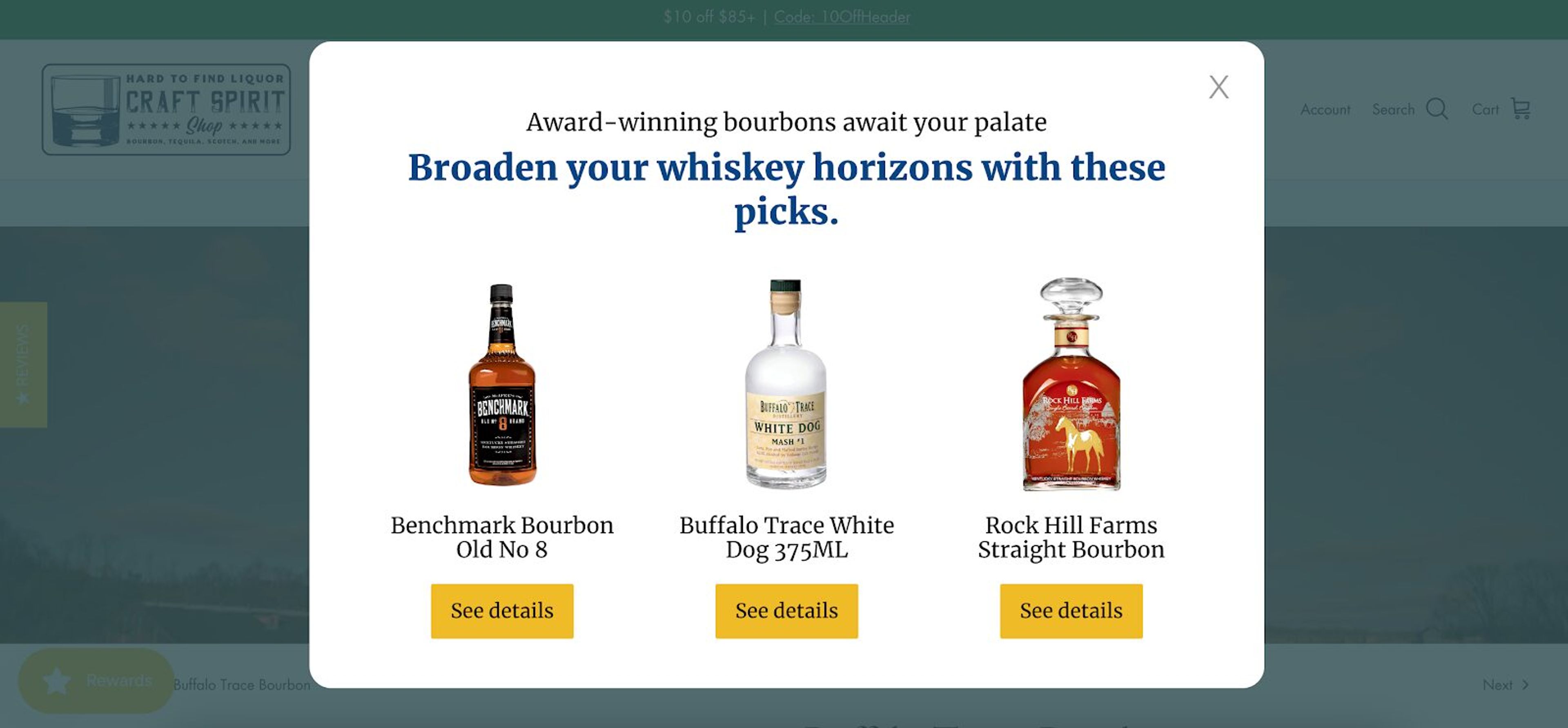
Let's start with Craft Spirit Shop, who used personalized product recommendation popups.
Here’s how it works: when a visitor browses the Buffalo Trace Bourbon page, they’re greeted with suggestions for other award-winning bourbons that might pique their interest.
Similarly, visitors exploring Clase Azul Reposado Tequila are shown other premium tequila recommendations.
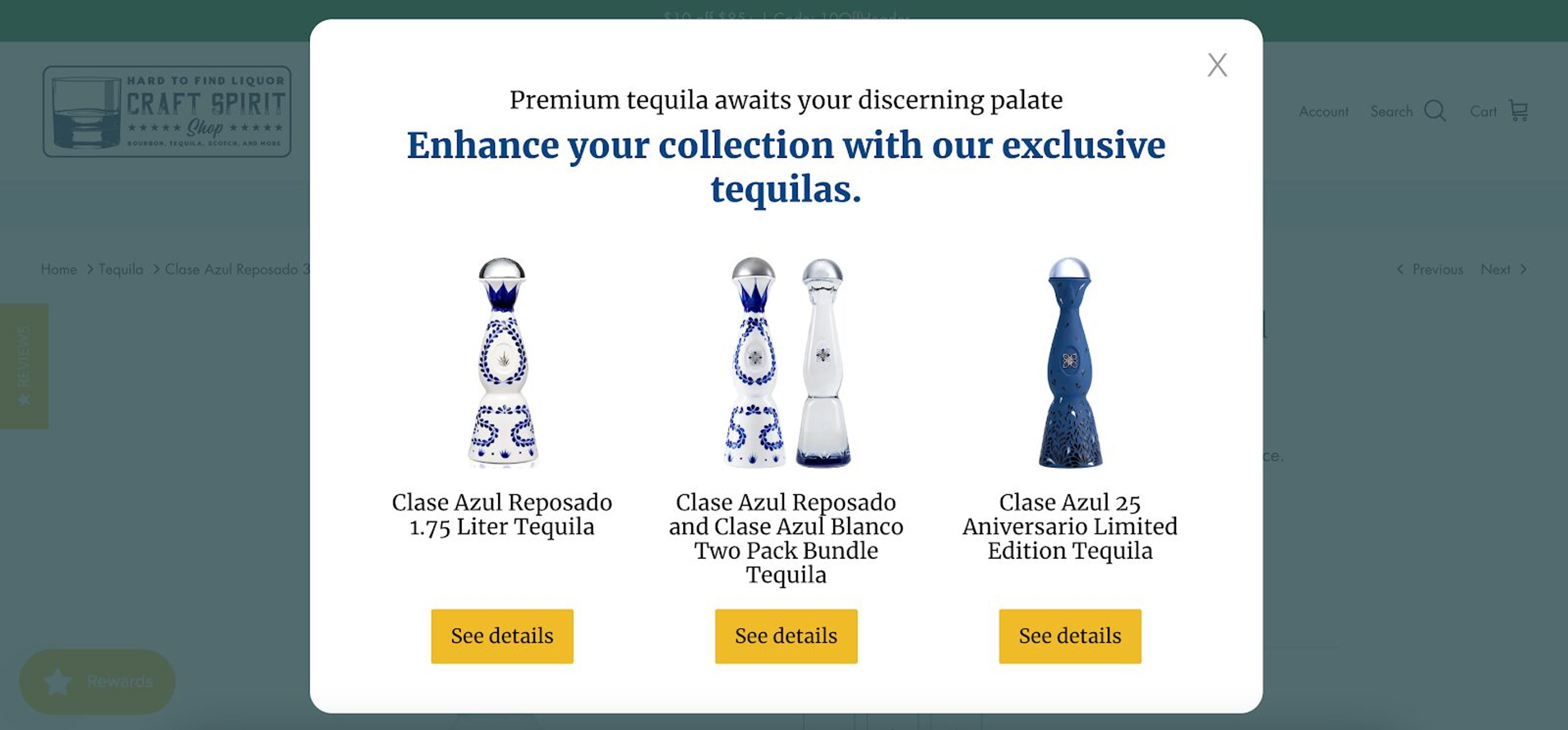
This strategy helped Craft Spirit Shop enhance the shopping experience and increase the likelihood of additional purchases by presenting options that align with each visitor’s tastes.
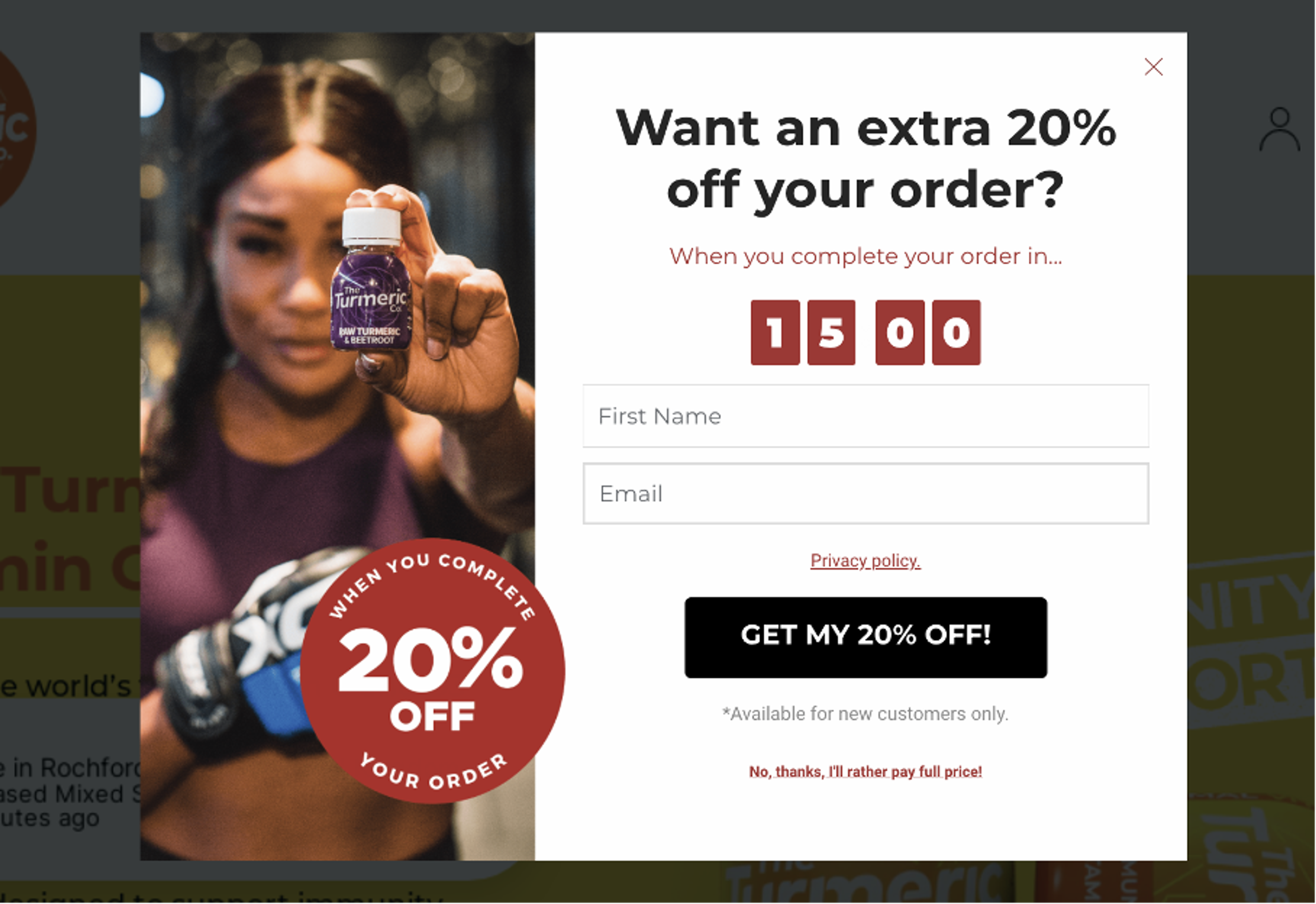
Our next example is a personalized exit-intent popup from The Turmeric Co.
Exiting customers with over £79 of products in their cart receive a 20% discount offer in exchange for their contact details before they leave the site.
Meanwhile, those with a cart value between £25 and £79 are offered a 10% discount.
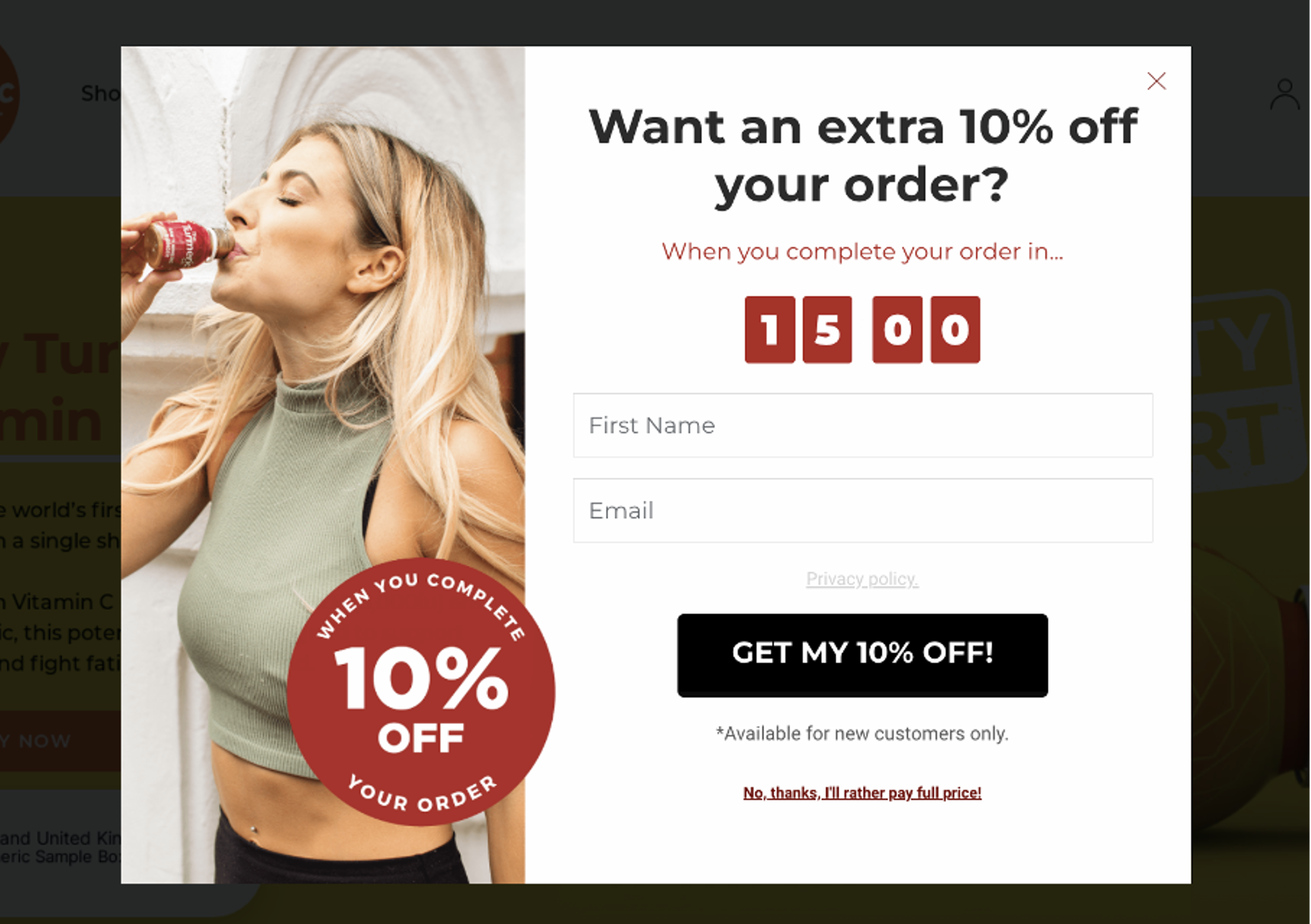
This strategy not only encourages customers to complete their purchase, but also builds the brand’s email list for future marketing efforts.
Olive Oil Lovers found a way to increase their average order value through a smart upsell campaign.
They show a popup with a 20% discount offer and personalized recommendations based on what the customer already has in their cart.
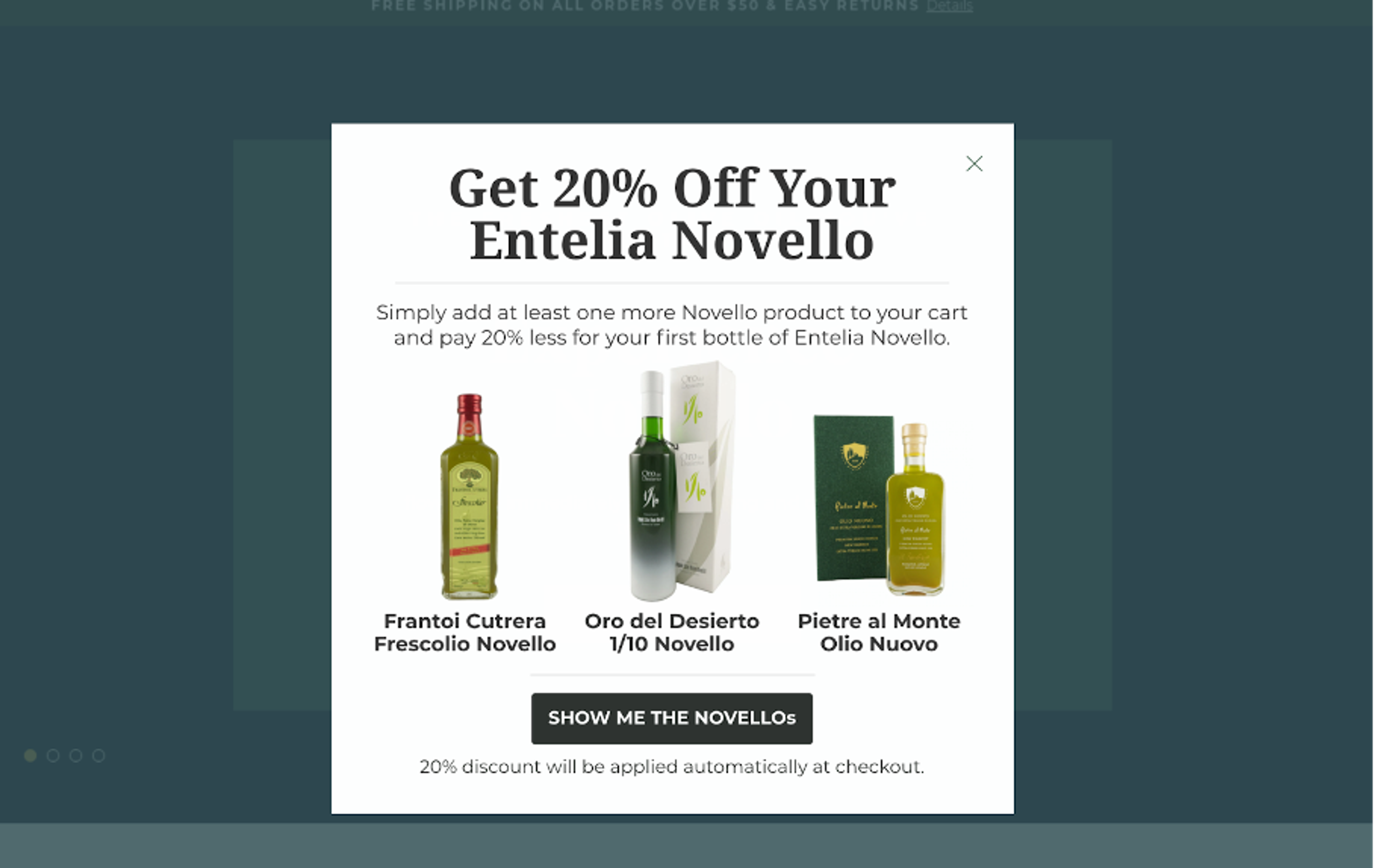
This approach encourages customers to buy more and ensures they discover complementary products they might not have considered, enhancing their overall shopping experience.
Do your customers often forget about their discounts? Crown & Paw found a way to avoid this.
Their sticky bar is only displayed to visitors who have already opted in for a discount, keeping the offer top of mind and nudging them towards completing their purchase.
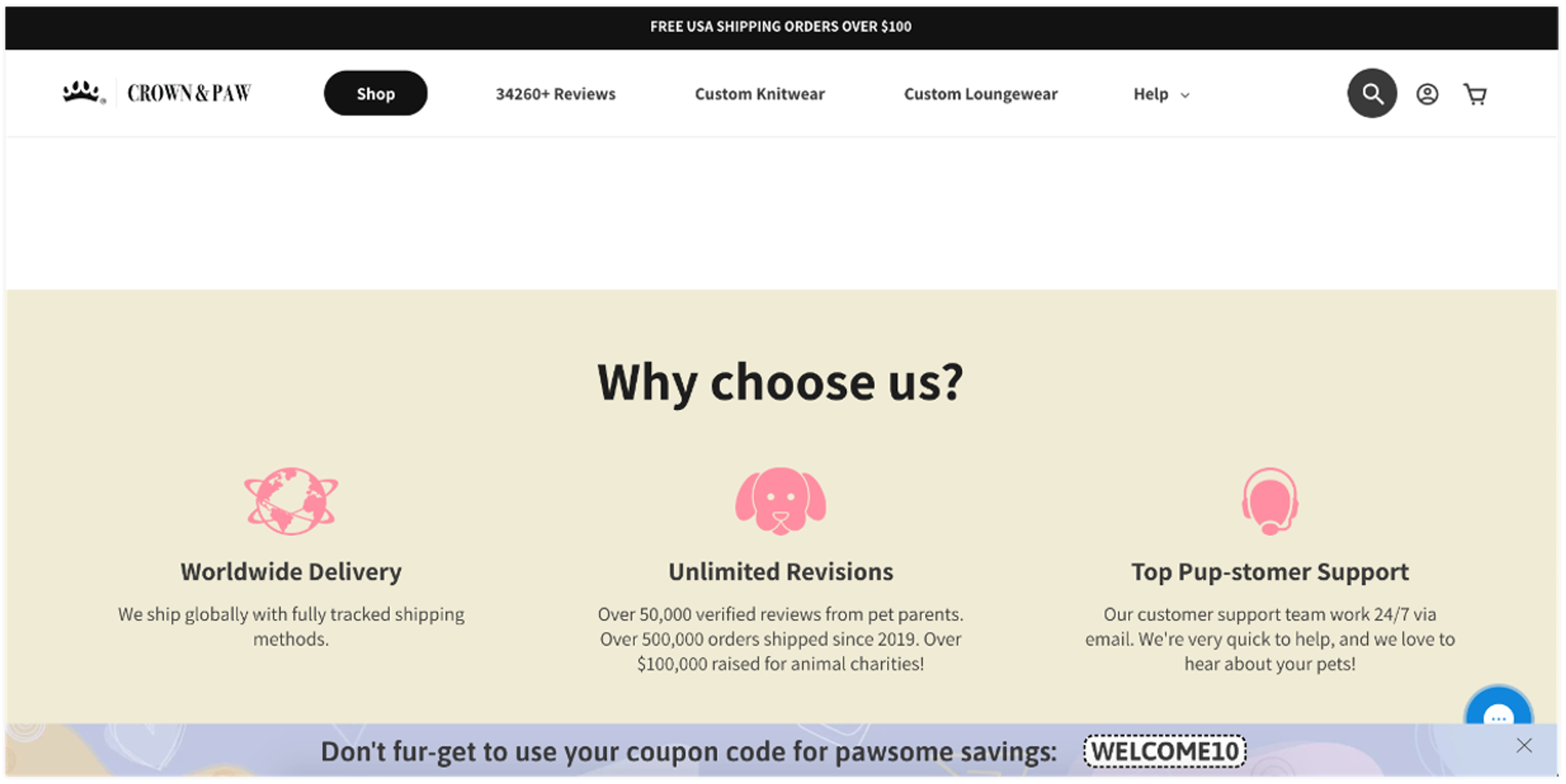
By reminding customers about their available discounts, Crown & Paw effectively reduces cart abandonment and boosts conversions.
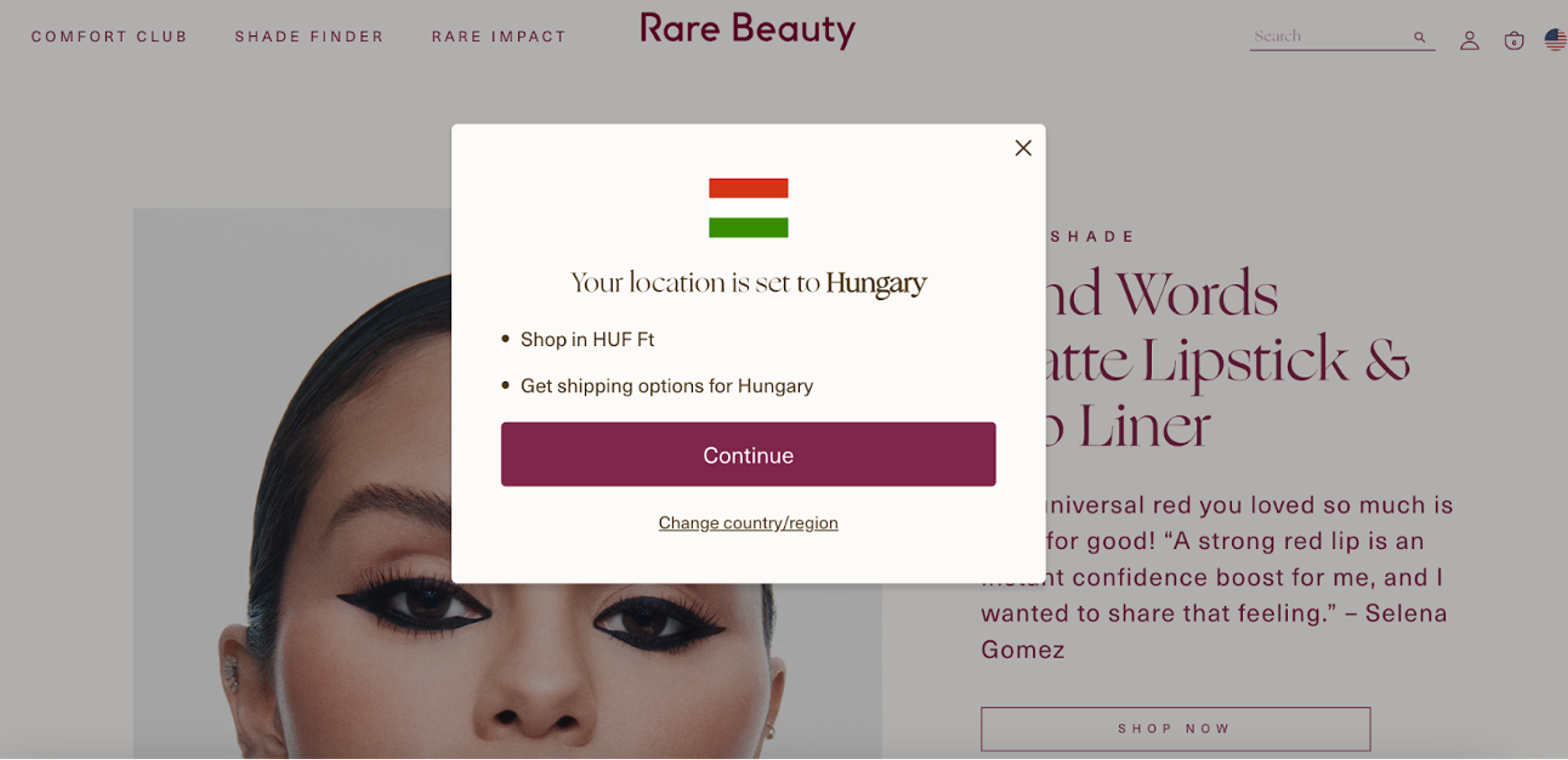
Let's see how Selena Gomez's brand Rare Beauty does website personalization.
They take it a step further, using website visitors’ location to ensure accurate promotions, shipping information, and currency details. This makes the shopping experience much smoother for each visitor.
Our last example comes from ecommerce fashion giant ASOS.
ASOS uses dynamic content on their product pages to offer a 20% discount to new visitors. This personalized incentive is designed to draw first-time customers in and encourage them to make a purchase.
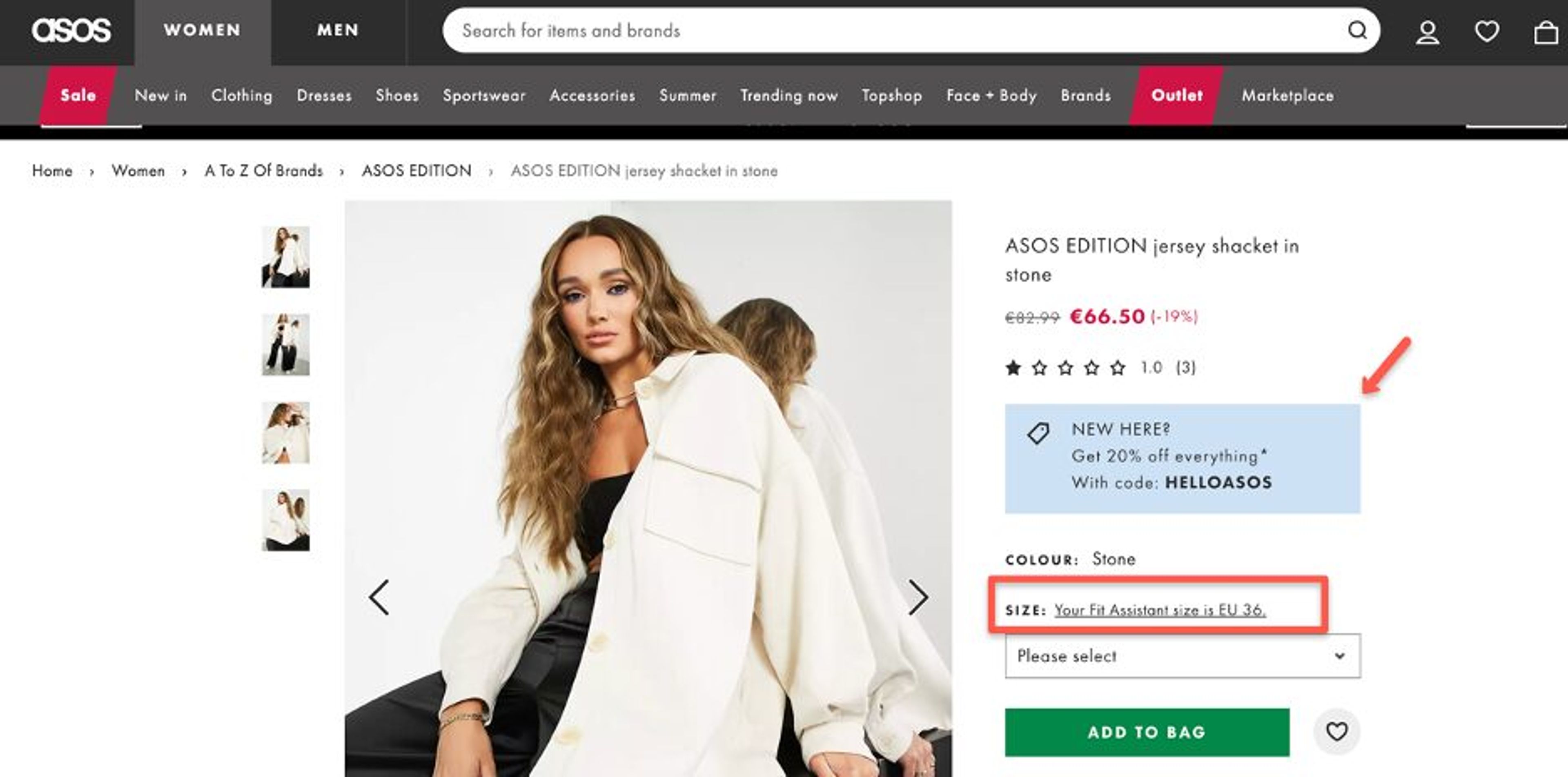
By offering a significant discount upfront, ASOS attracts new customers and builds a foundation for ongoing engagement and loyalty.
Begin by collecting data on your users' behavior and preferences. This can include their browsing history, purchase history, location, and device type. Use this data to create segments of users with similar characteristics. Once segmented, personalize content for each group.
Tools like Google Analytics, personalization platforms (e.g. Dynamic Yield), and CRM systems (e.g. HubSpot, Salesforce) can help manage and analyze this data, create segments, and deliver personalized content.
Absolutely! Personalization isn’t just for big players. Even small businesses can enjoy the significant benefits of website personalization by tailoring their website experiences to meet individual user needs.
Enhanced customer experience, increased conversions, and improved customer loyalty are just a few of the advantages. Plus, many personalization tools are designed with small businesses in mind, offering affordable and scalable options.
Website personalization is no longer a “nice-to-have”—it’s a must-have. By creating tailored experiences for your users, you can enhance engagement, drive conversions, and build lasting customer relationships.
Whether you’re a small business or a large enterprise, the benefits of personalization are clear and attainable.
OptiMonk can be your ally in this journey. Start personalizing today: create your free OptiMonk account and watch your sales grow!

In this article, we’ll go through 6 SaaS personalization strategies (plus one extra) that you can copy right away using OptiMonk.
Discover how personalized notifications boost ecommerce engagement, conversions, and growth—plus tips to start using them effectively.
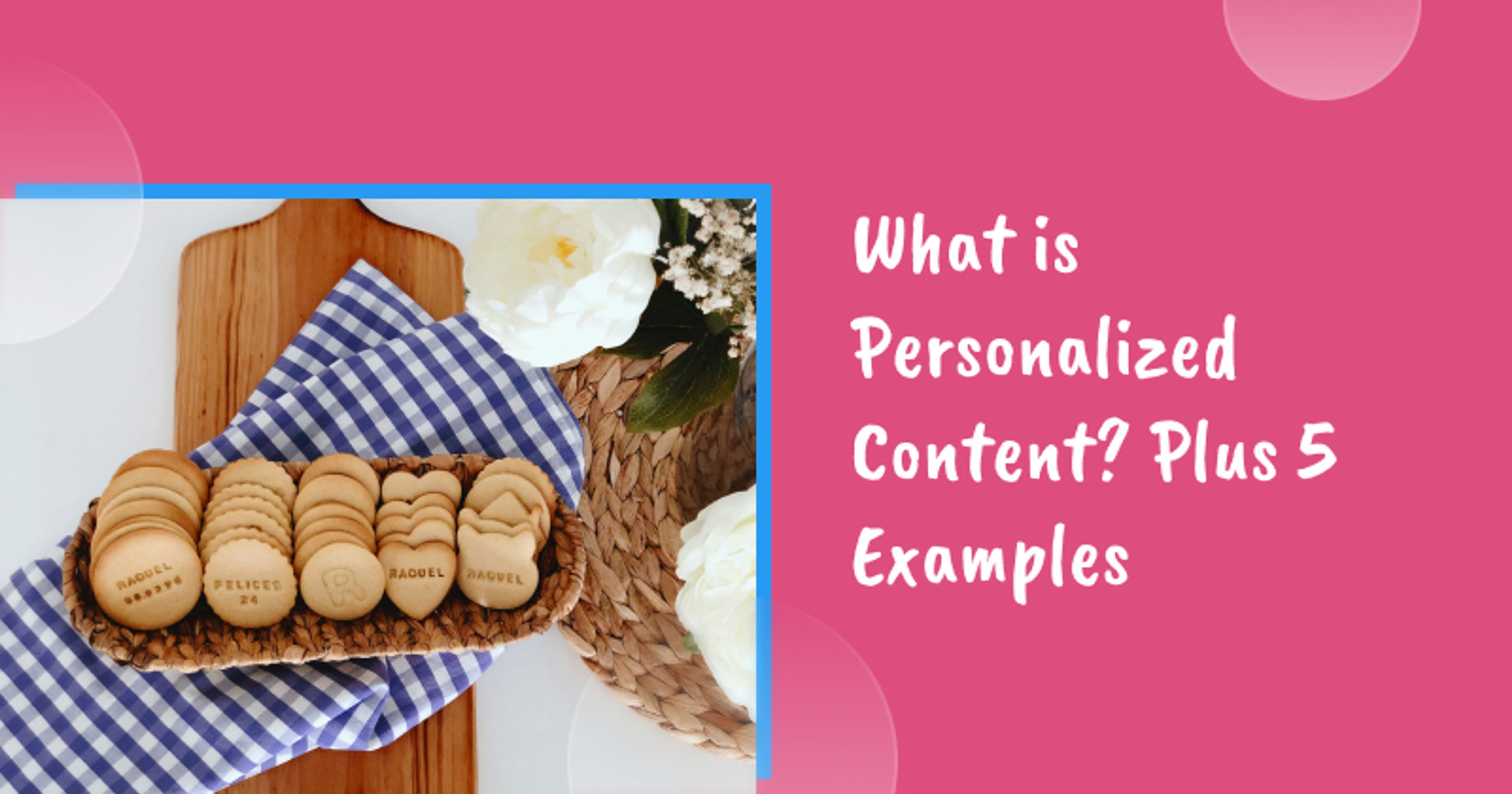
In this article, we'll go over the basics of personalized content and cover 5 awesome website personalization examples.