


14 Effective Thanksgiving Marketing Ideas to Boost Your Sales in 2026
Discover creative Thanksgiving marketing ideas to engage customers, build buzz, and drive sales before Black Friday and Cyber Monday.
Discover why 62% of shoppers seek discounts before buying—and how to use strategic discount pricing to boost sales. See 18 top-performing examples inside.
In short
Discover the power of discount pricing strategies with 18 proven examples that boost sales and attract new customers. Learn how targeted discounts like flash sales, BOGO offers, and loyalty rewards can drive conversions and increase brand exposure. Master the art of strategic discounting to enhance your ecommerce success and customer lifetime value.
Here’s the deal:62% of shoppers are actively looking for a discount before checking out. So if you're not offering the right kind of incentive, you might be handing those potential buyers to your competitors.
In this blog post, you’ll discover:
Let's dive in.
Discount pricing is more than just slashing prices. By offering targeted discounts, you can drive sales, attract new customers, offload slow-moving inventory, and boost customer lifetime value.
Whether it’s a flash sale or a loyalty offer, each discount type serves a unique purpose in the customer journey.
OK, so why should you really use discount pricing? Let’s break down what you’re actually trying to accomplish when you offer discounts:
Chances are, you’ve spotted these while exploring different ecommerce stores. Here are the ones you’ll see most often:
Remember, a bigger discount is not always better. Your discount should align with your margins and your goals.
Here are the four most common discount types and what they’re best for:
Each one serves a different goal, so pick what aligns best with your campaign objective.
Let’s explore how the pros are using discount pricing and the strategies that make these approaches so effective.
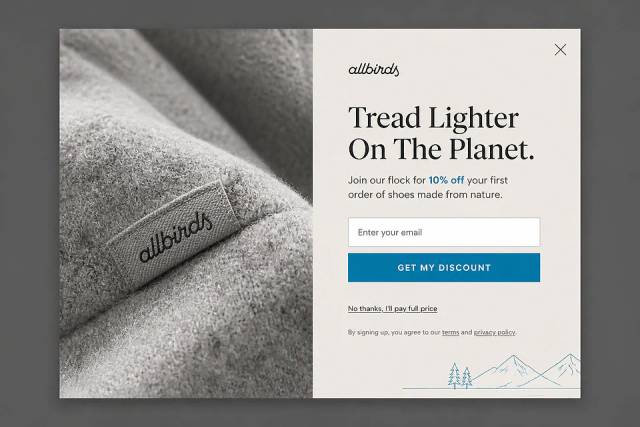
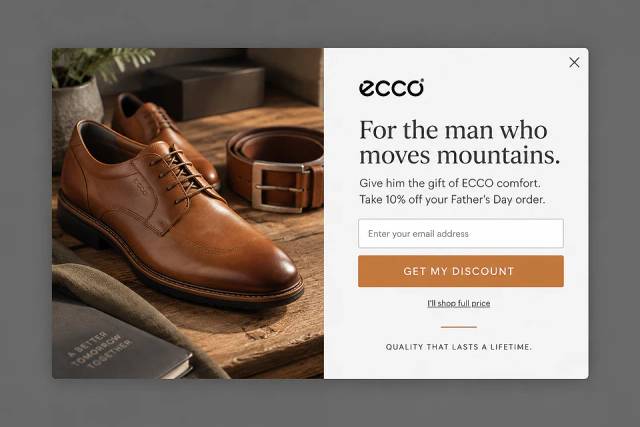
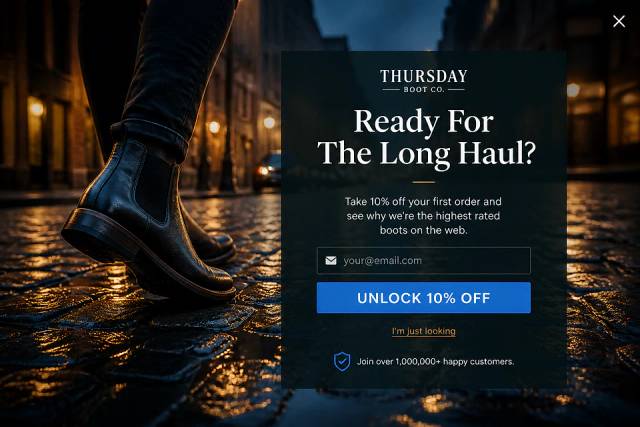
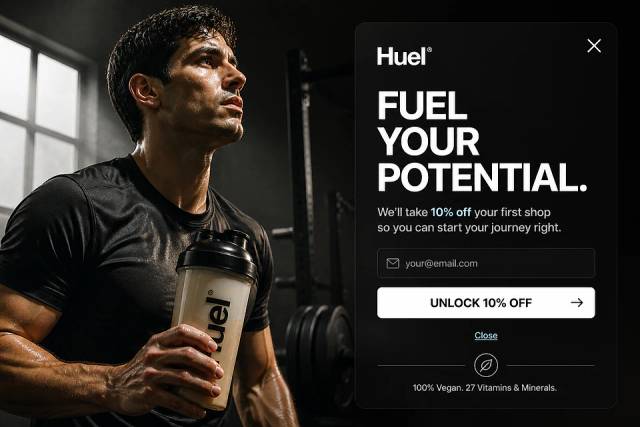
By offering a special deal for first-time shoppers, you give them a reason to trust you and hit “buy.” Most marketers ask for an email in return, which is perfect for building your email list.
BLK & Bold offers a 15% discount in exchange for an email signup. Clean, simple, and high-converting.
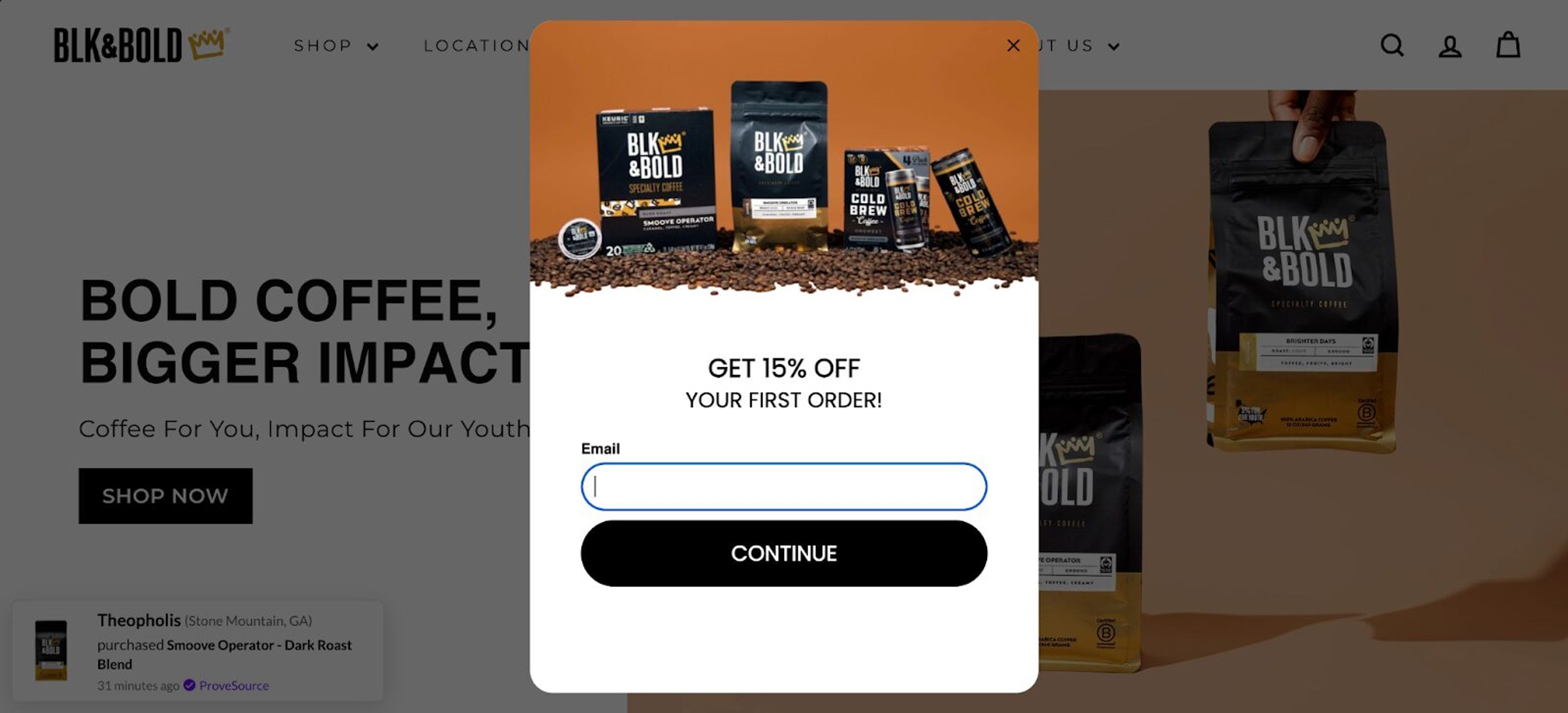
Tip: Greet new visitors with a welcome popup that highlights your offer. Looking for inspiration? These popup ideas can help spark ideas.
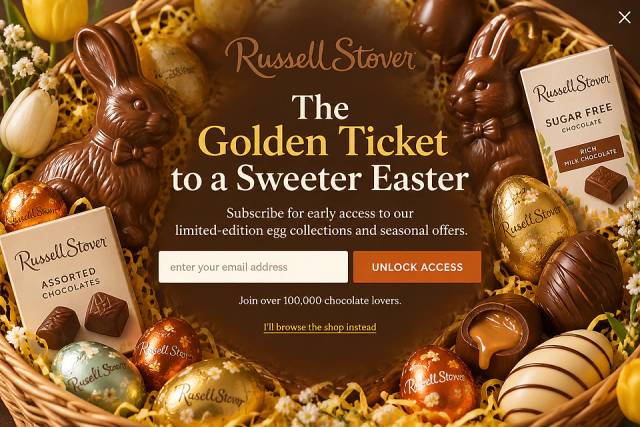
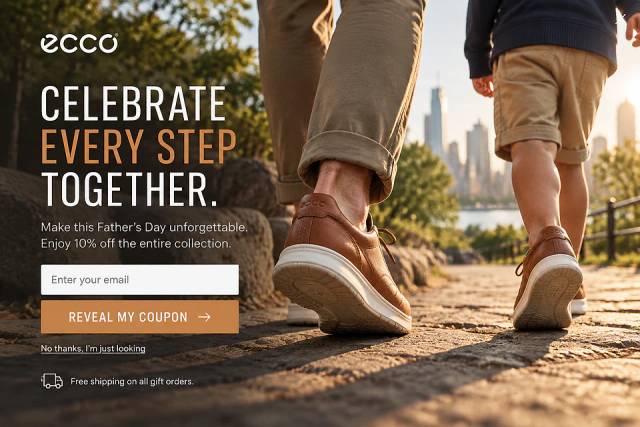
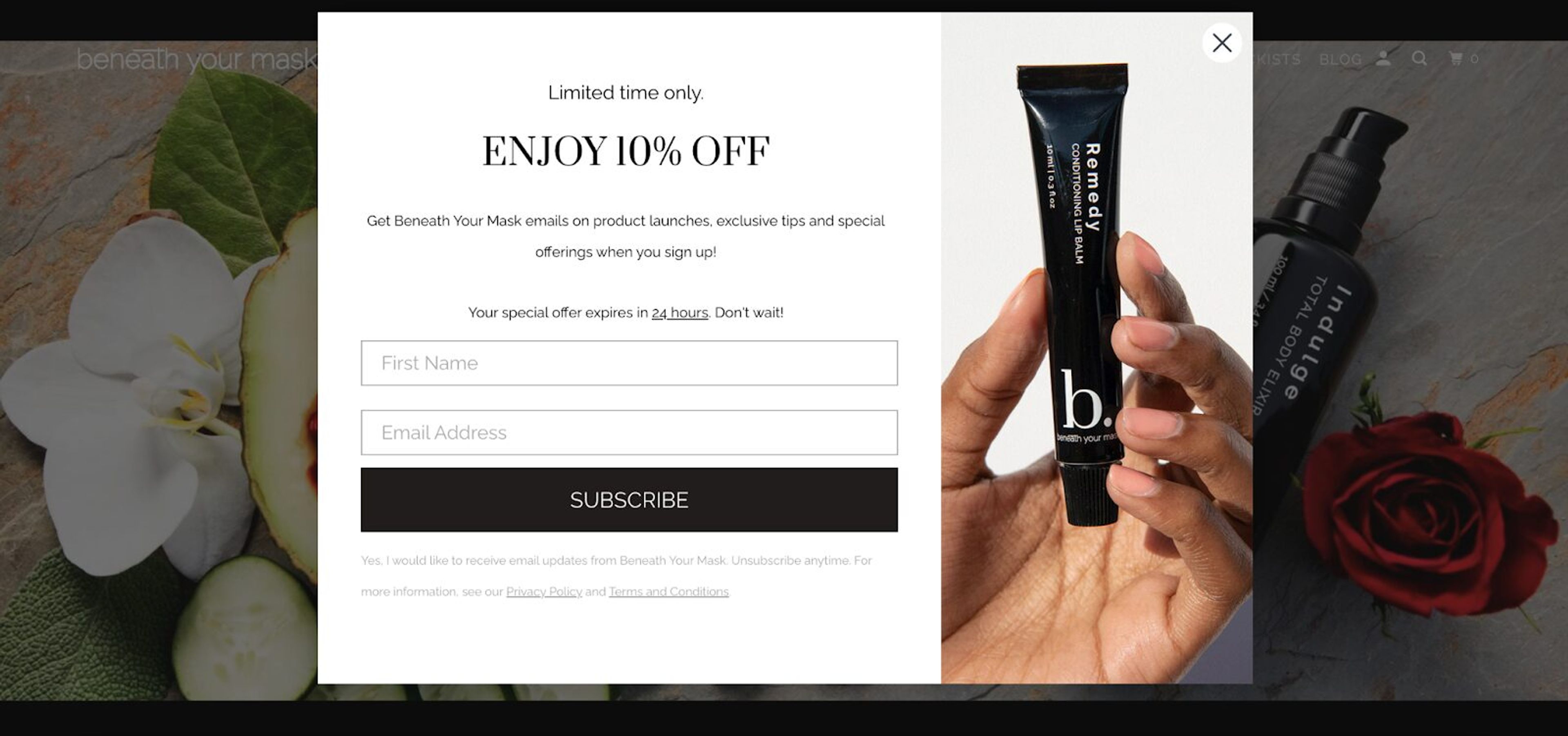
Promotional discounts are limited-time deals tied to events like holidays, store anniversaries, or even made-up holidays. They spark a sense of urgency and drive quick sales.
Beneath Your Mask ran a seasonal promo and pushed a discount tied to a campaign, great for driving both engagement and conversions.
The BOGO discount pricing strategy is one of the best ways of upselling.
Customers love feeling like they’re getting something “extra,” whether it’s a freebie or a second item at a deep discount. It works especially well with low-cost or consumable products.
Pela Case ran a “Buy 1 Get 1 Free” offer on their full-screen popup, which is perfect for eco-conscious shoppers stocking up on sustainable phone cases.
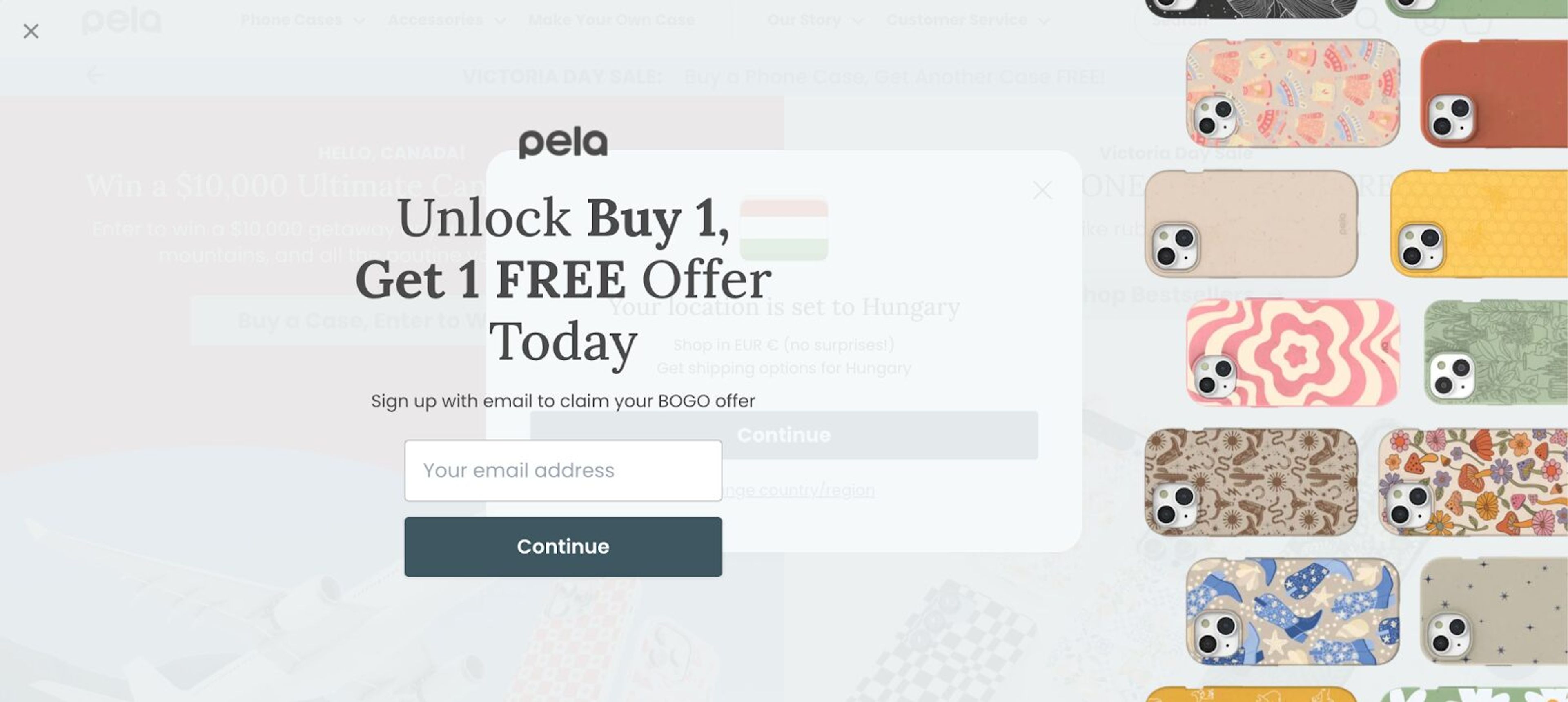
Tip: Full-screen popups offer maximum visibility and boast an average conversion rate of 14.40%. Want to discover why they’re so effective? Read the full article here.
Our list of effective discount pricing strategies wouldn’t be complete without volume discounts.
Volume-based pricing encourages bulk buying and increases your AOV (Average Order Value). Great for B2B or replenishable goods.
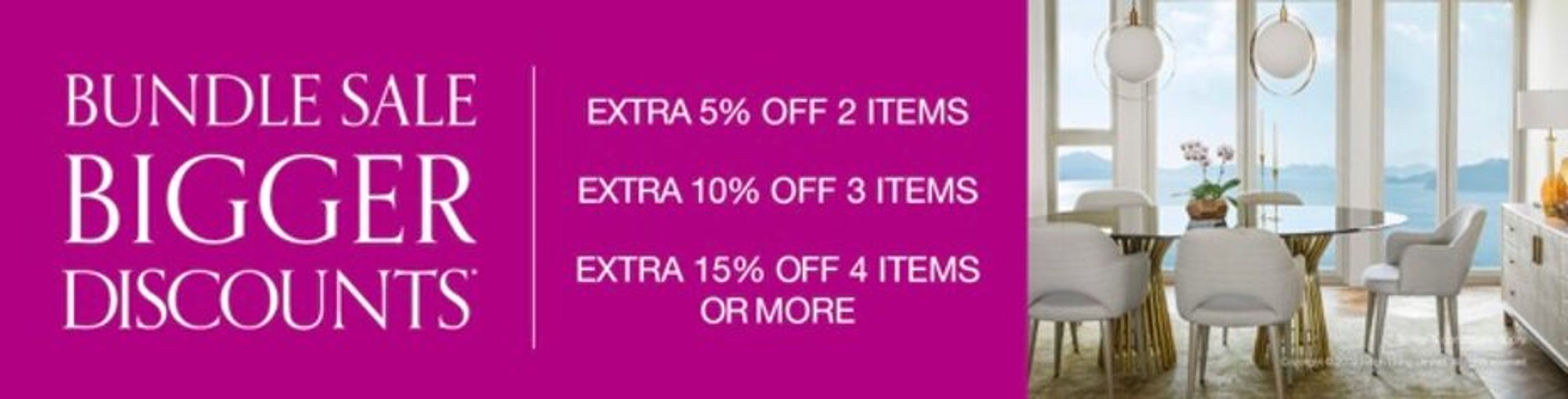
Tip: Display the savings per unit as customers add more items to their cart on a Dynamic Shipping Bar.
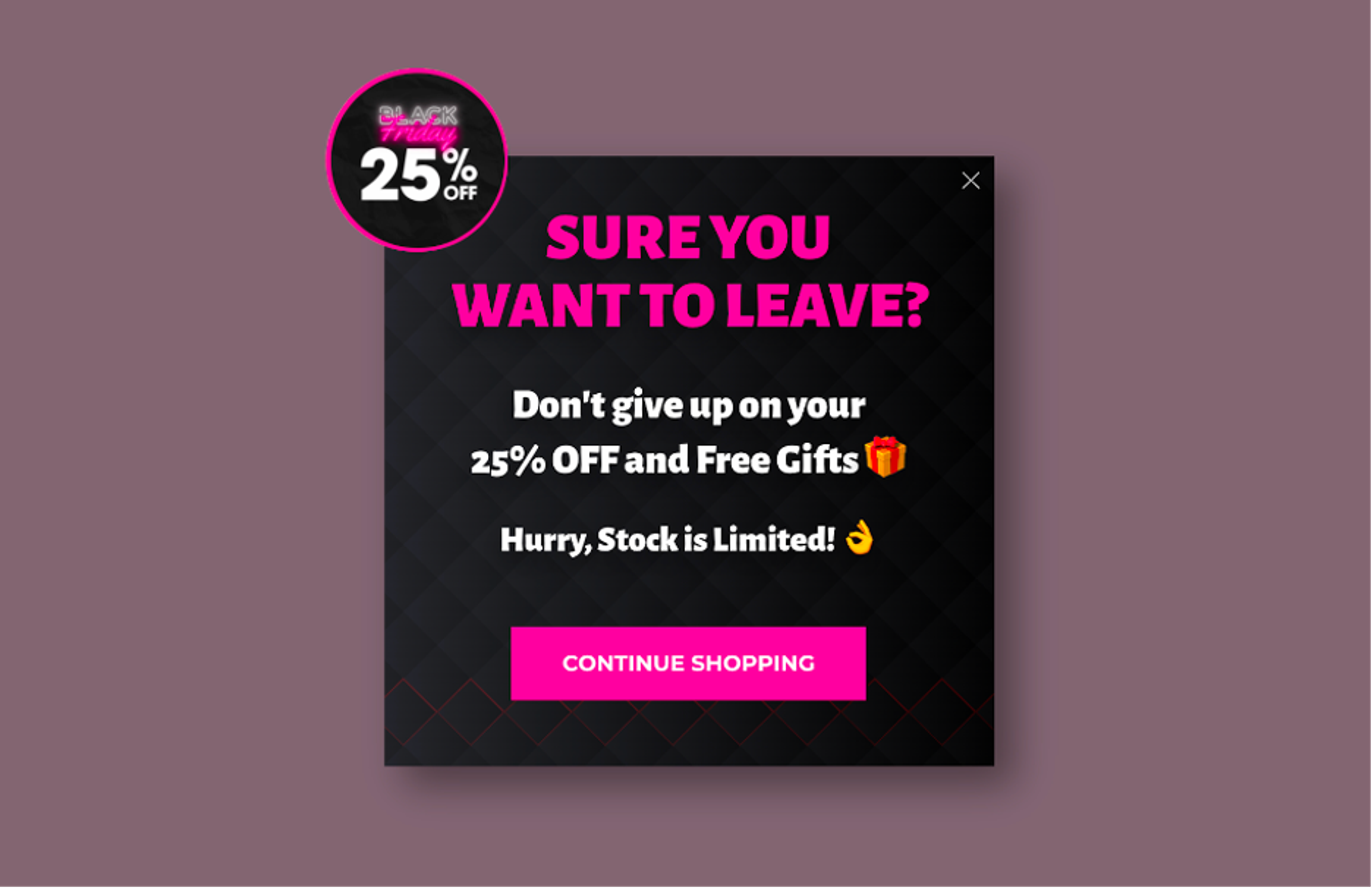
More than 70% of online shopping carts are left behind. A well-timed discount sent via email or shown as an exit-intent popup can help recover lost sales.
Obvi promoted a limited-time Black Friday deal to users who were about to leave the site without checking out, offering them 25% off along with free gifts.
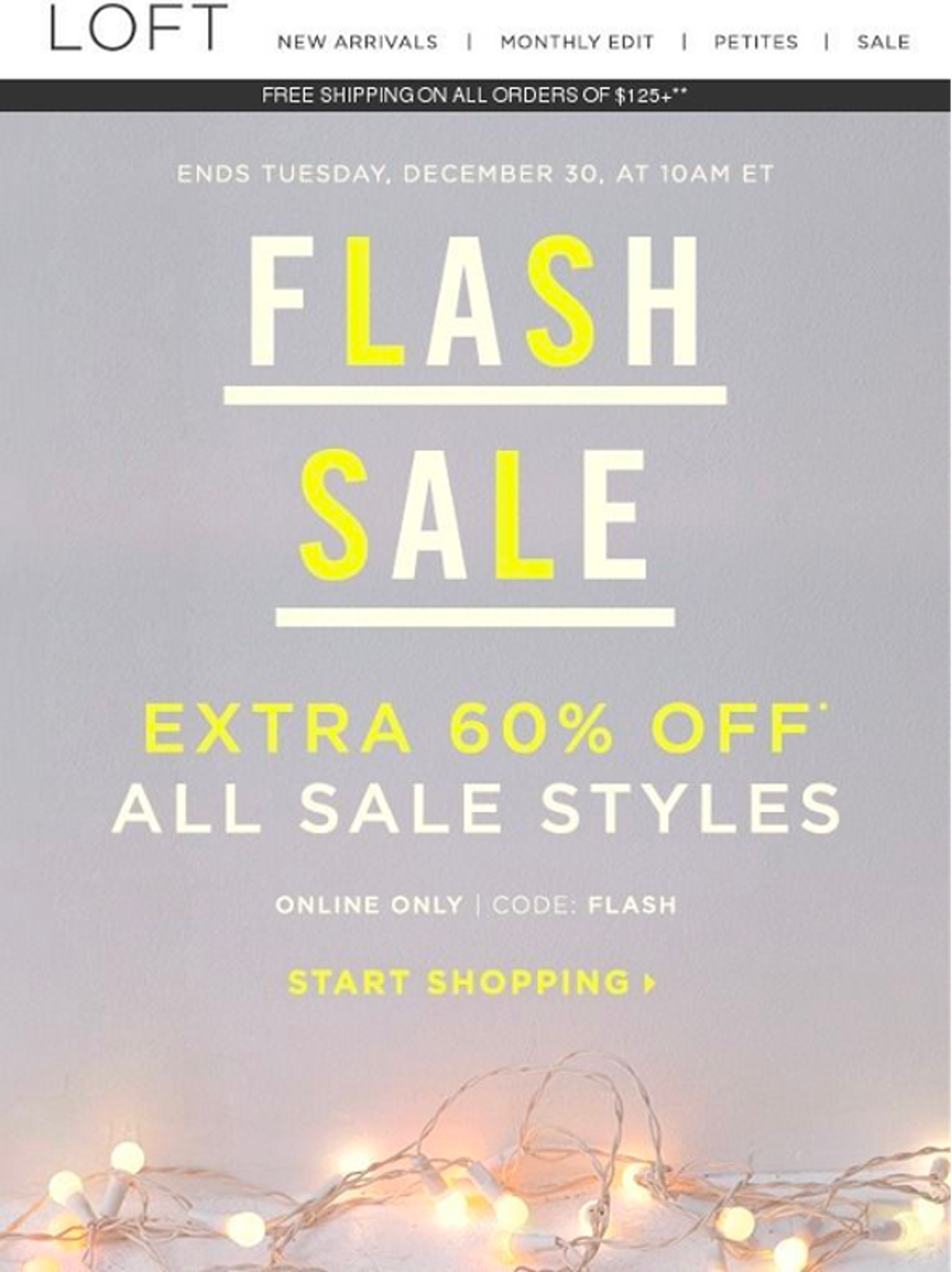
Flash sales are short promotions that encourage fast decision-making and create a strong sense of urgency. No wonder they can lead to a 35% lift in transactions!
They're often used to clear inventory or capitalize on peak shopping periods. In this example, Loft is running a flash sale with 60% off.
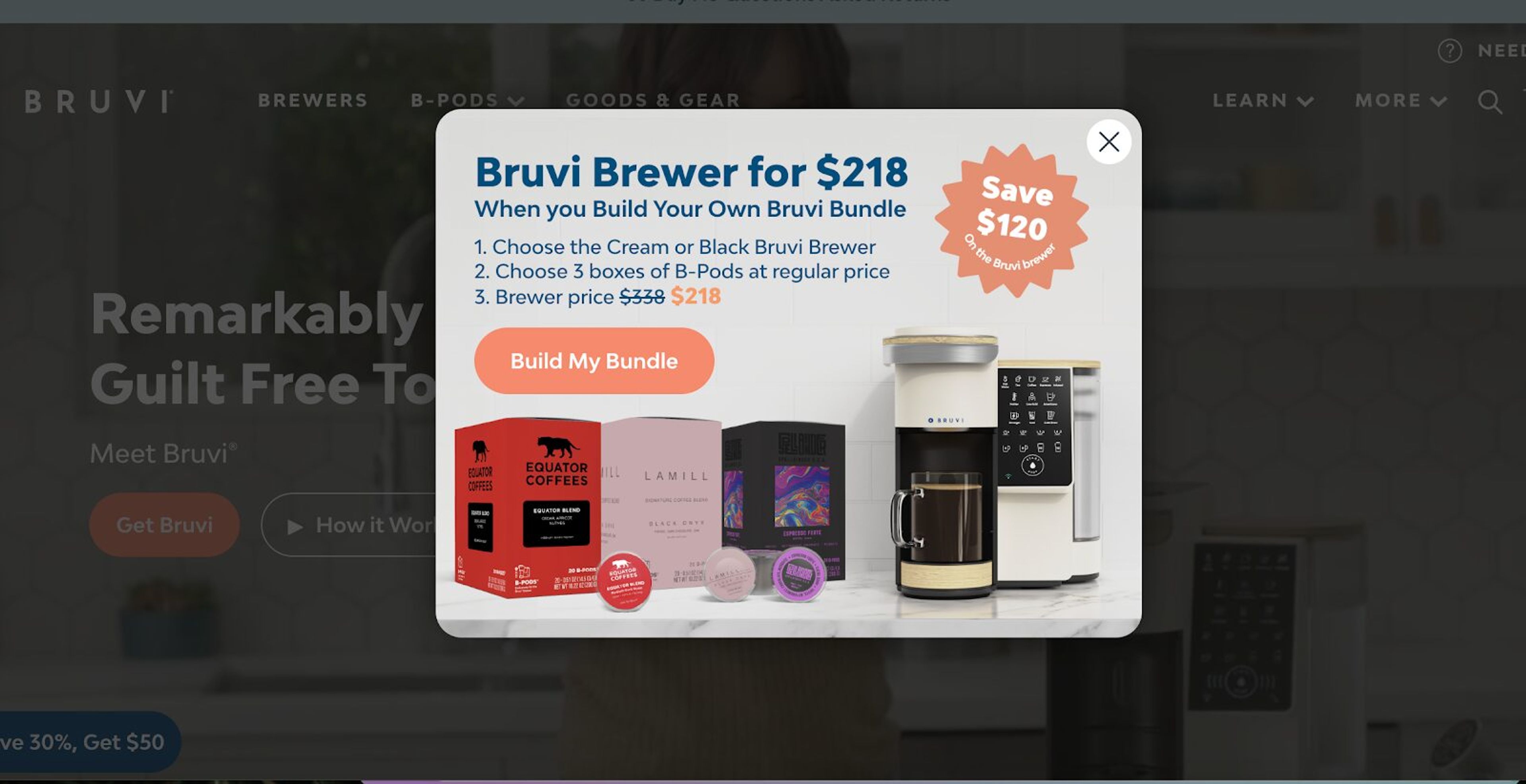
Bundling groups of related products can raise your average order value while improving perceived value for the customer.
Bruvi offers a smart “Build Your Bundle” feature that can save customers up to $120, which makes it feel like a real deal.
Tip: Try different product combinations to see what resonates. Test and track performance to find out which bundles your customers are most likely to buy.
Free shipping remains one of the top incentives for online shoppers. You can offer it sitewide or above a minimum order threshold to boost average spend.
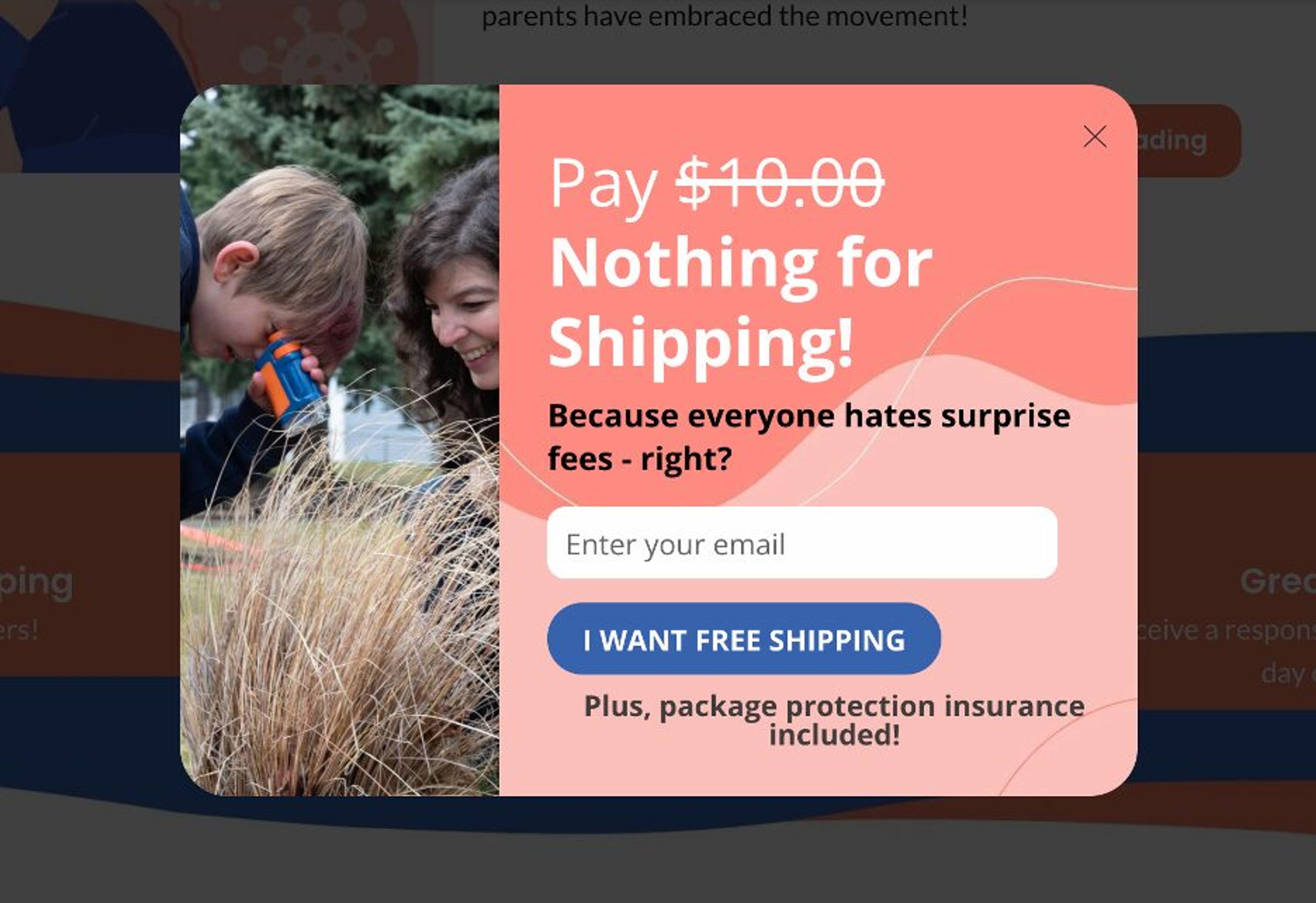
Tip: Use a progress bar at checkout to encourage customers to unlock free shipping.
A mystery offer sparks curiosity and increases engagement. Customers reveal their discount only after clicking or taking an action, such as signing up.
Nexus Nutrition greets visitors with a mystery discount that reveals the percentage after engagement.
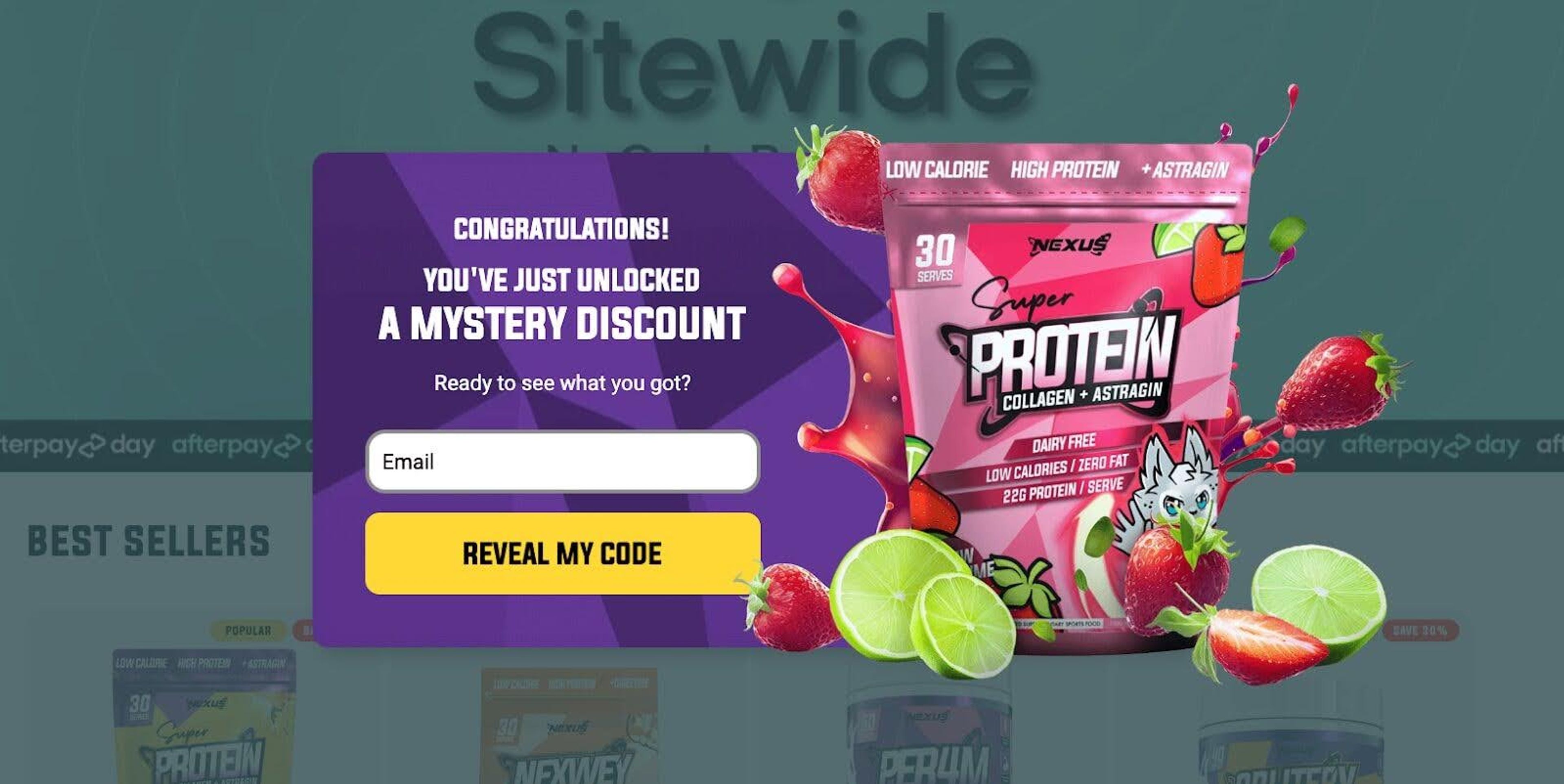
Want to try it out? Explore these popup ideas to launch your own mystery discount.
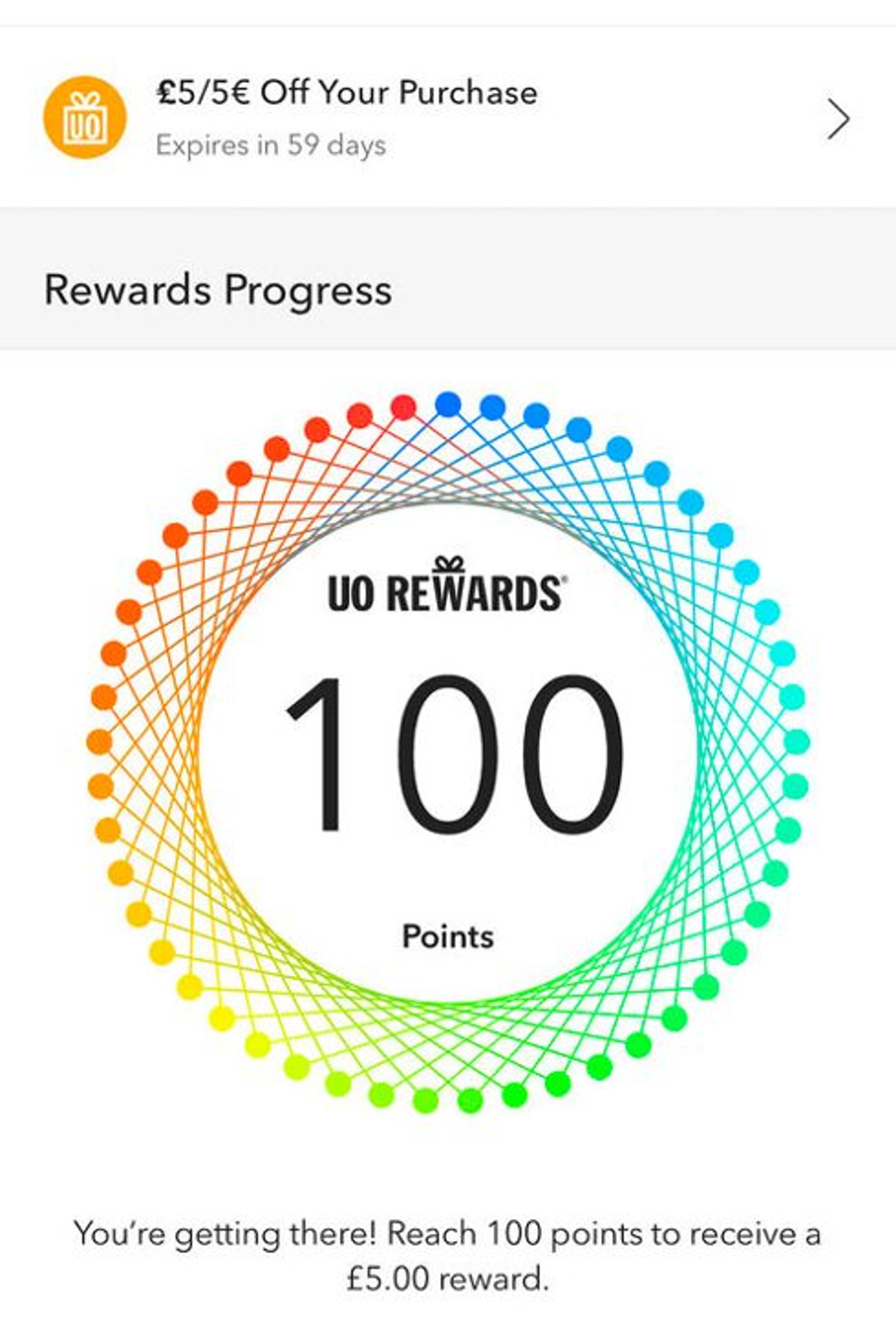
Loyalty discounts reward returning customers and are often tied to a points-based program where shoppers earn rewards with every purchase.
You can also offer a discount immediately after checkout to encourage repeat visits and build long-term customer relationships.
For example, Urban Outfitters gives customers a £5 discount once they collect 100 points through their loyalty program.
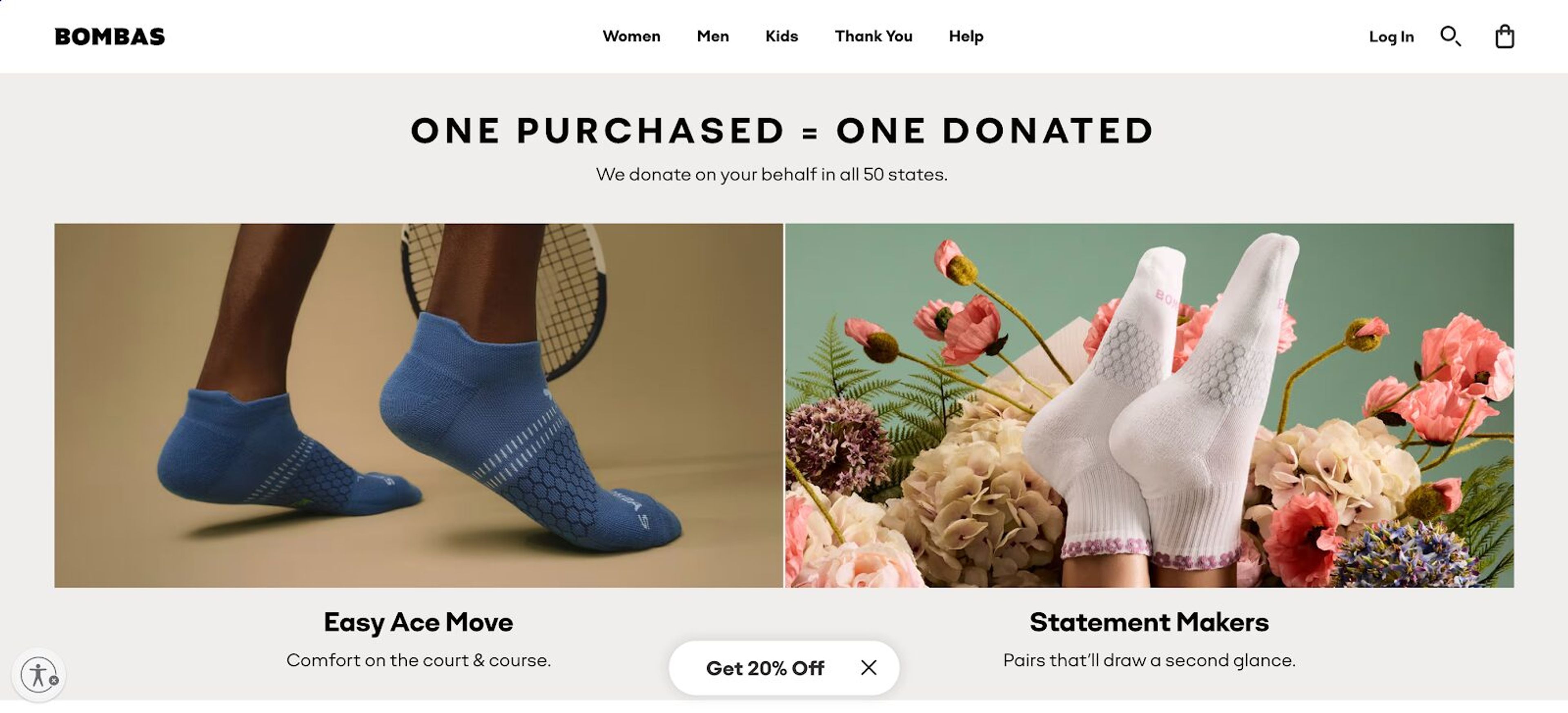
This type of discount pricing strategy donates an item to someone in need for every product purchased. It allows customers to support a cause simply by shopping.
Not only does it create a meaningful social impact, but it also builds positive brand perception. Bombas uses this model by donating one pair of socks for every pair sold.
Discover how Bombas turned socks into a success story.
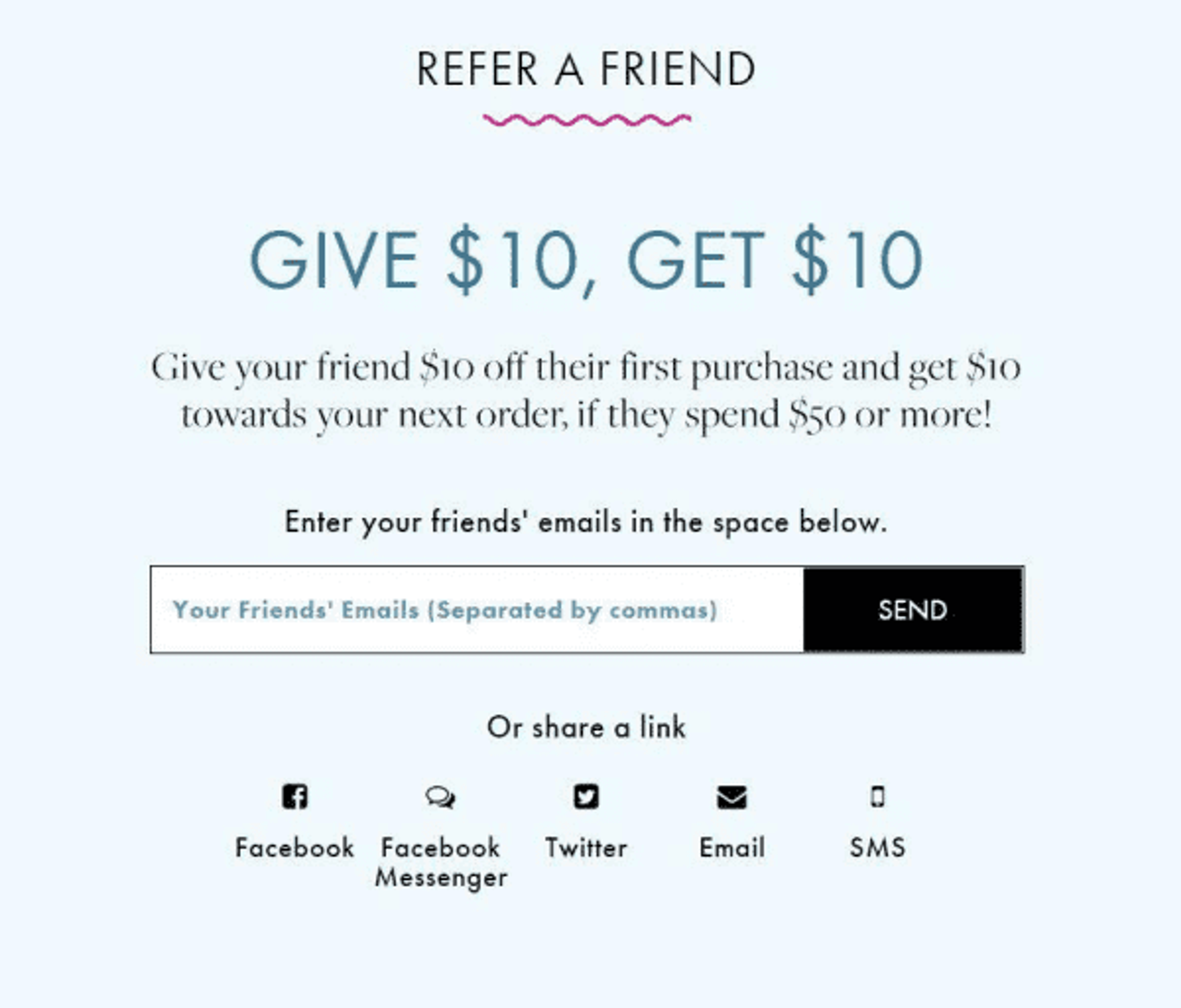
Referral programs reward existing customers for bringing in new ones and boosts loyalty. A dual-sided discount—one for the referrer and one for the new buyer—works best.
Girlfriend Collective offers $20 off ($10 off for each party) in their referral program.
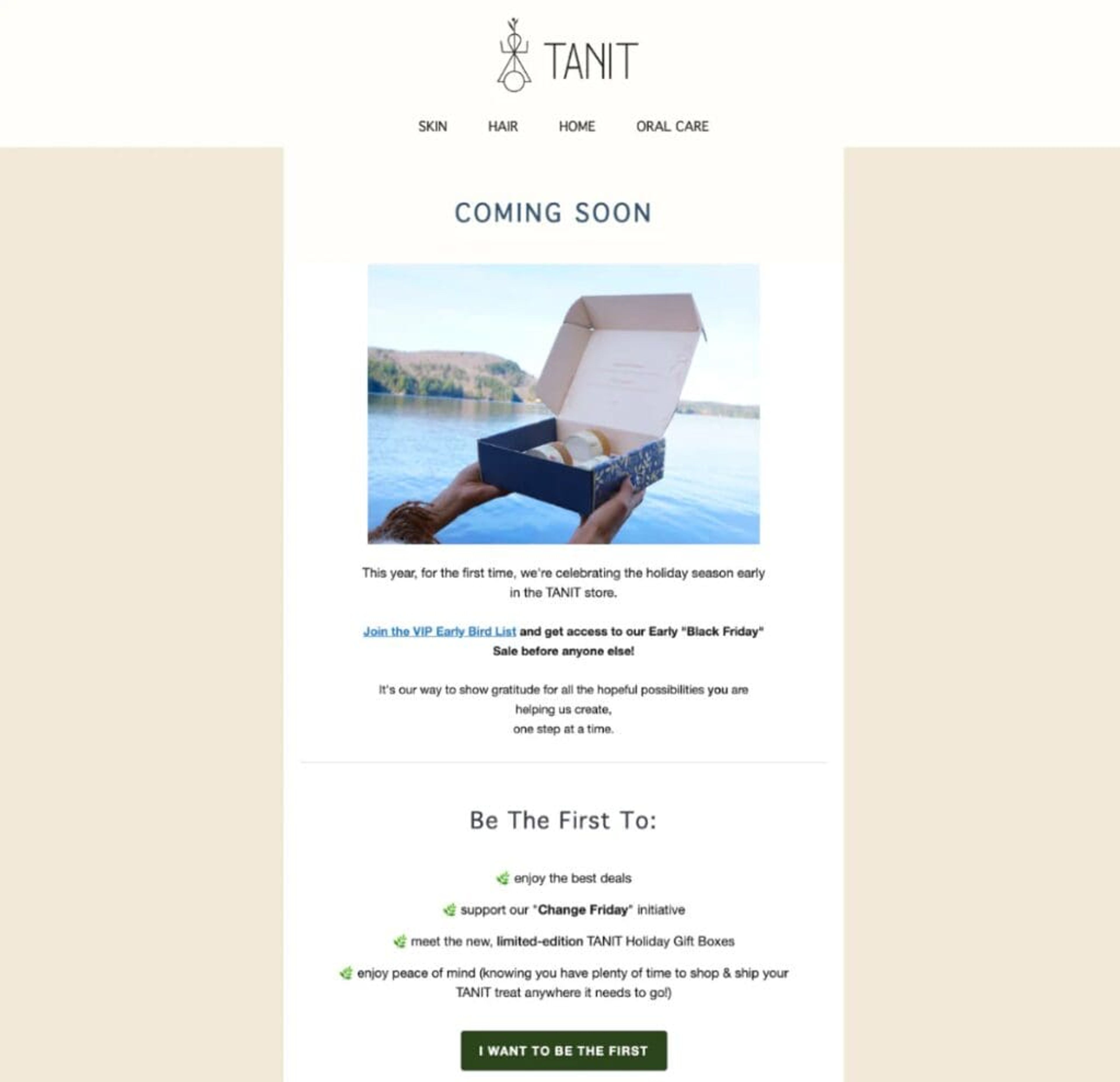
Provide an exclusive discount to customers who buy early or pre-order upcoming products. This works especially well for launches or time-sensitive promotions.
Tanit used this strategy for their Black Friday campaign, branded as Change Friday, offering VIP email subscribers up to 25% off, gift boxes, and bundled deals.
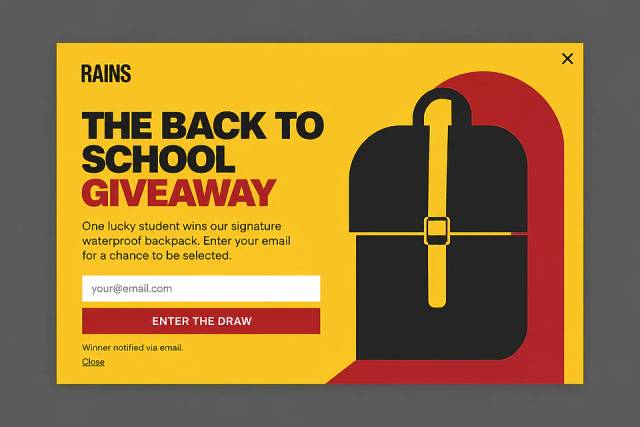
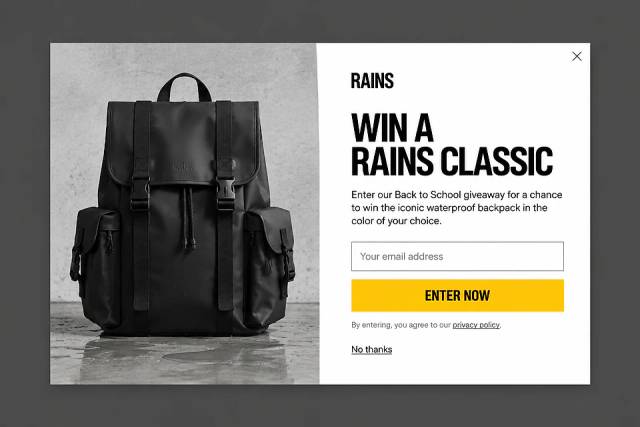
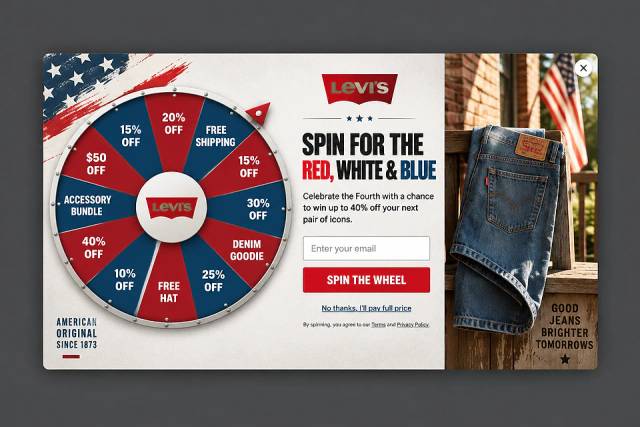
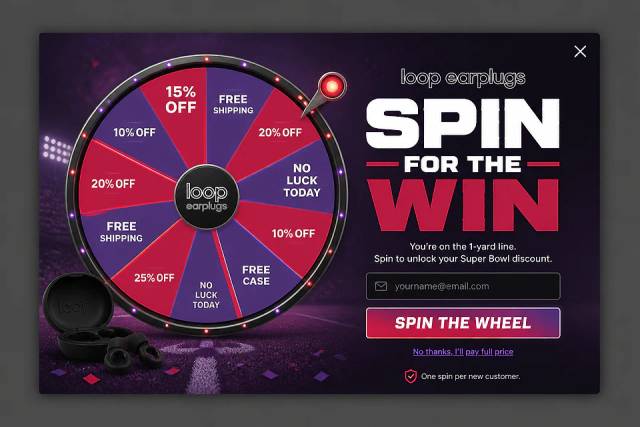
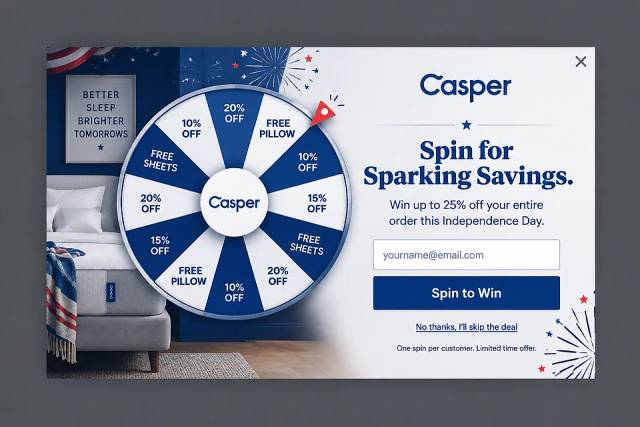
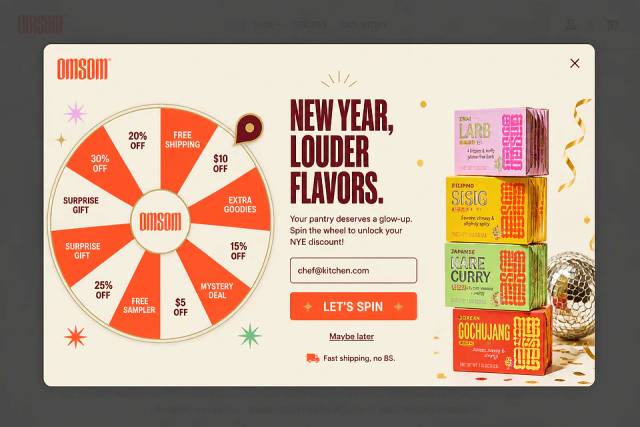
Gamified discounts turn savings into a fun, interactive experience. Instead of simply offering a coupon, shoppers get the chance to win one, boosting engagement and conversions.
Tools like a spin-to-win wheel can display a range of discounts (say, 5% to 50%). Shoppers are often tempted to try their luck, and even smaller rewards still feel like a win.
Since participation typically requires an email, this tactic also helps grow your subscriber list while keeping visitors entertained.
Hit play and discover how gamification can take your campaigns to the next level!
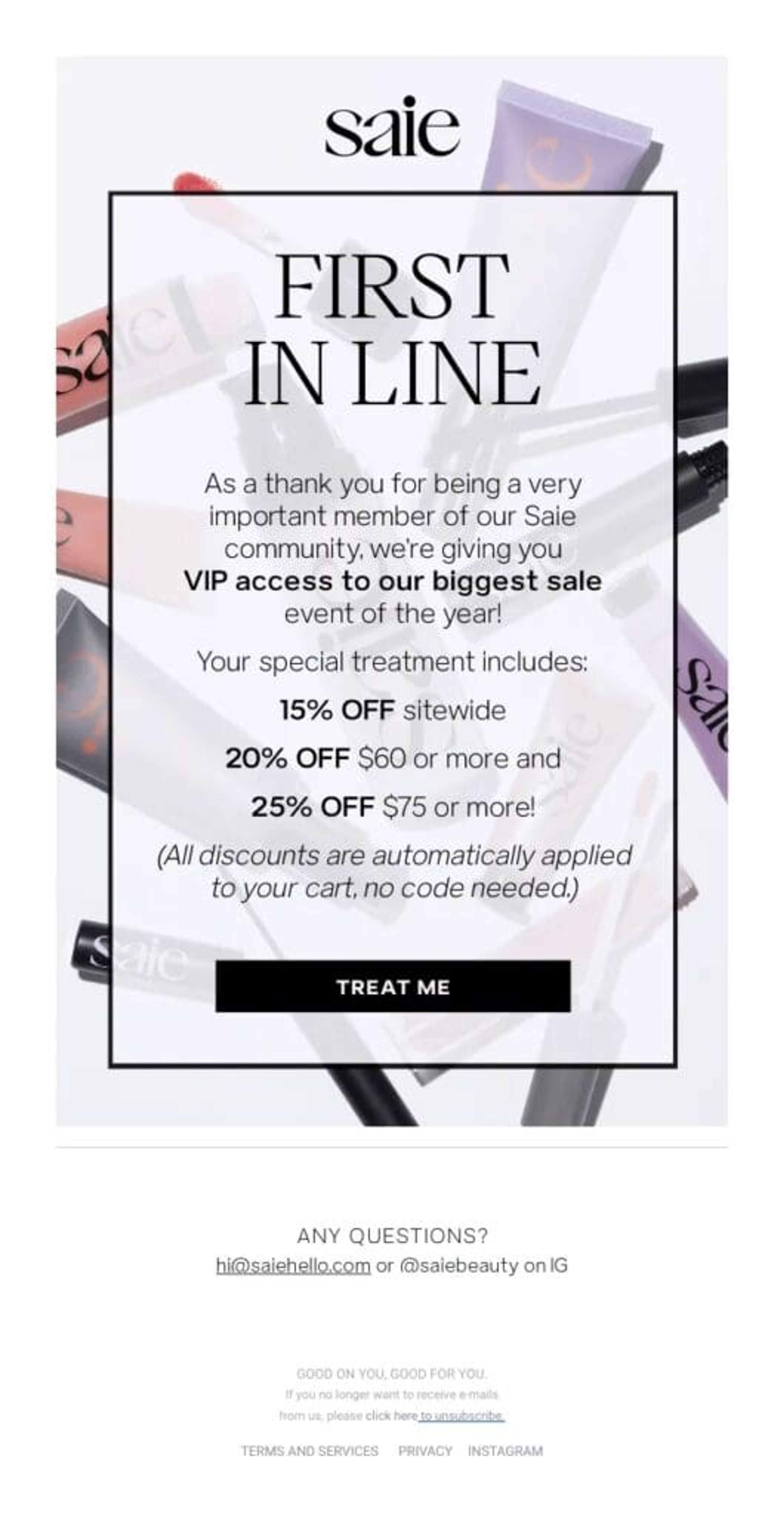
Provide special discounts to members or VIP customers who either pay for access or reach a specific spending level.
For example, some brands give VIPs early access to their biggest sale events of the year, which is a smartdiscount strategy—people love the exclusivity of getting perks regular shoppers can’t access.
Tailor discounts to the specific influencer who referred the customer. These personalized codes build trust and make it easy to track results from each partnership.
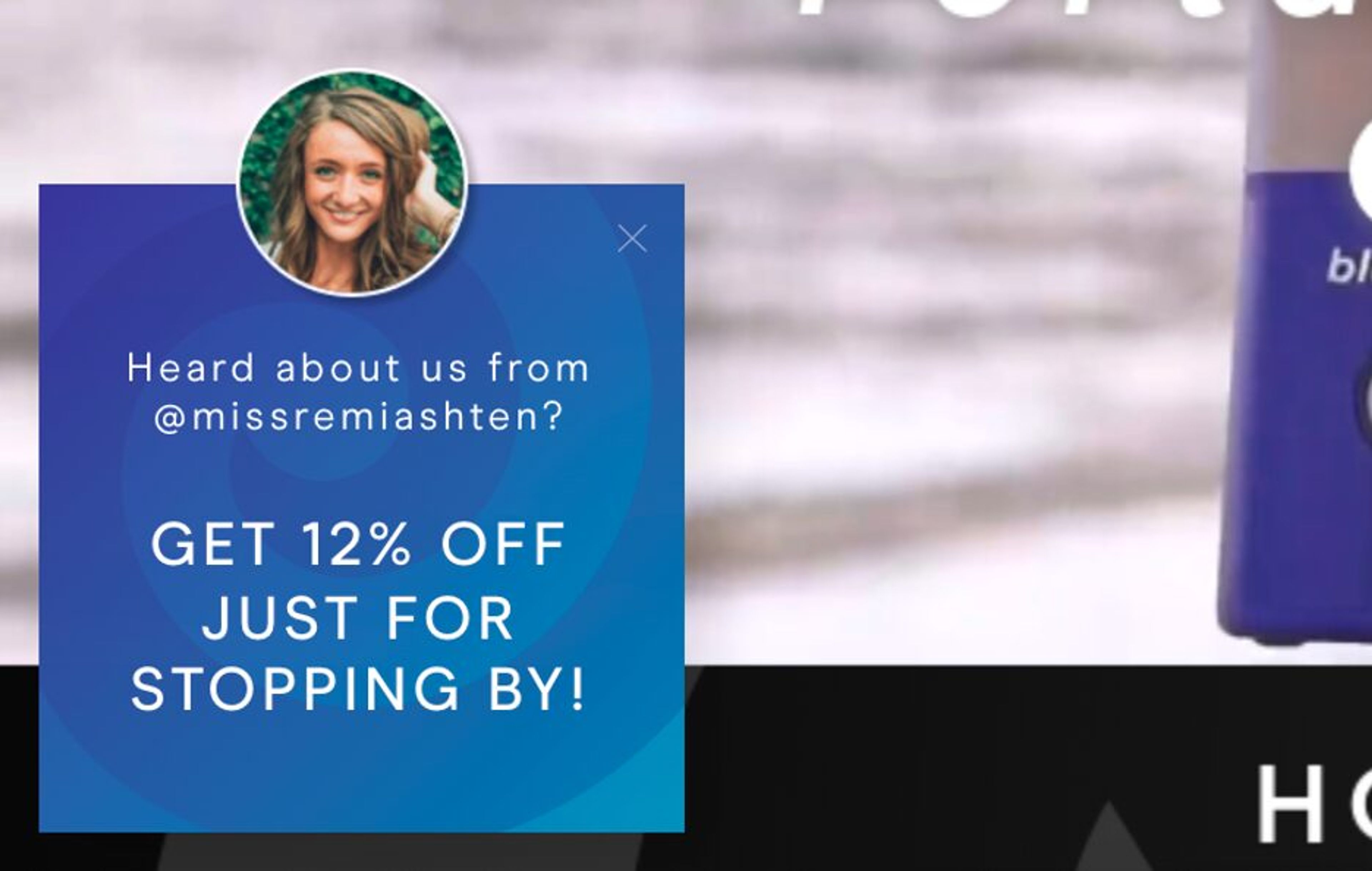
Tip: Feature a message with a tailored code, like “Use JESSIE15 for 15% off” on your popup, paired with the influencer’s photo or quote for added credibility.
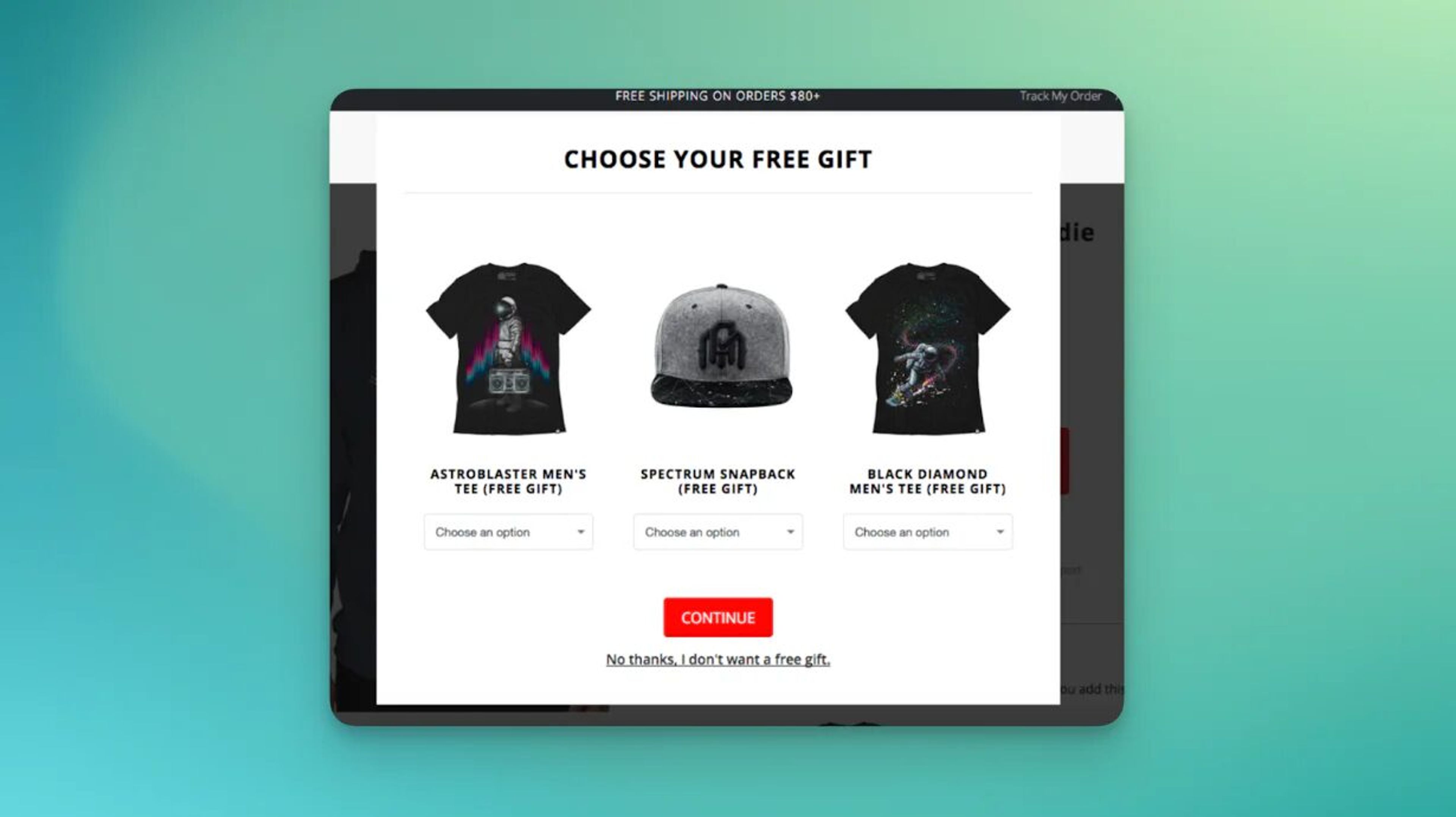
Offering small, surprise gifts can be an affordable way to boost conversions and build customer loyalty.
For instance, apparel brand INTO THE AM uses a popup to automatically give shoppers a free gift when they add select items to their cart.
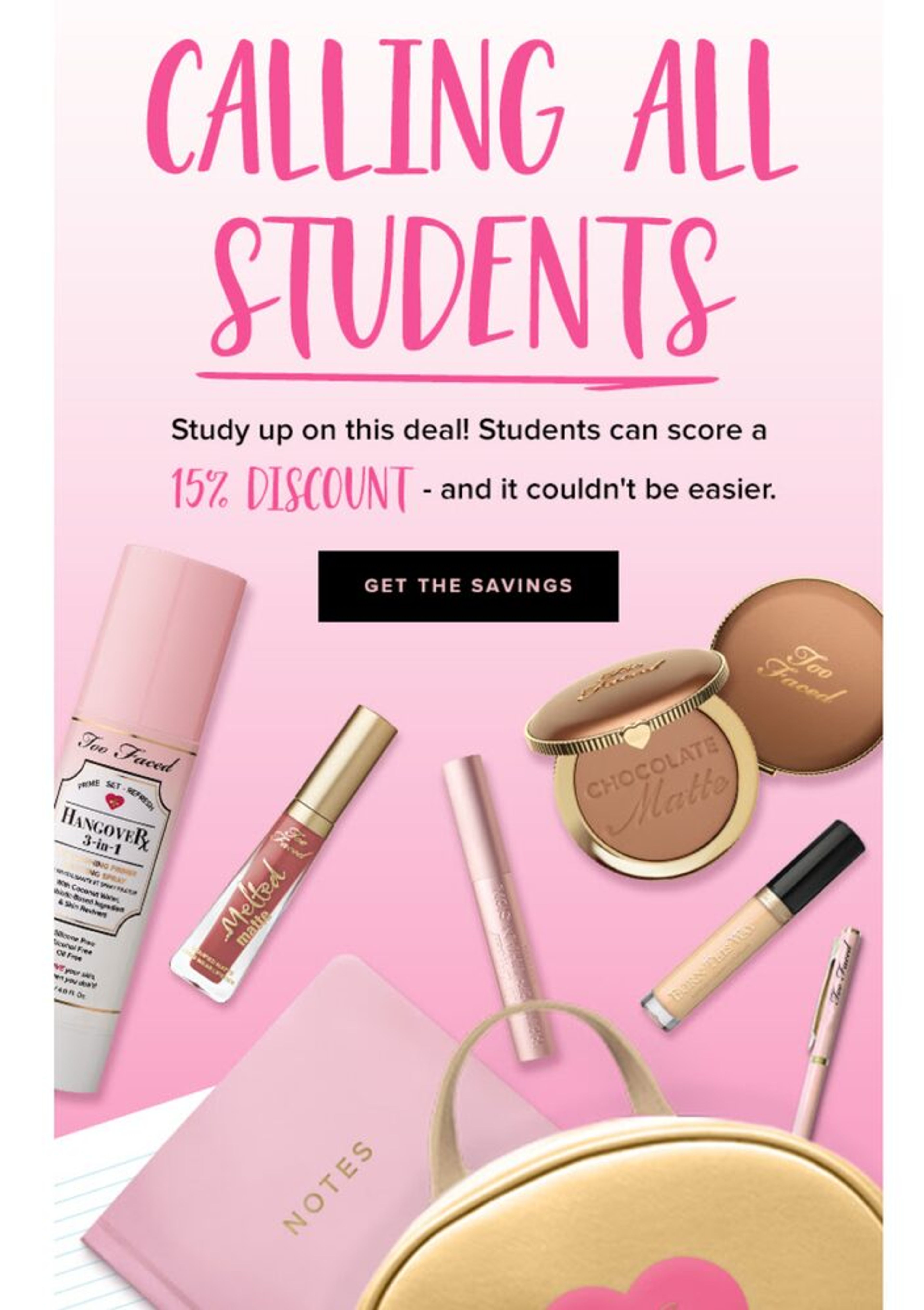
Offering exclusive discounts to specific groups, like students, teachers, healthcare workers, or military members, can strengthen trust and foster long-term loyalty.
For example, many brands provide a 15% discount to students as a way to support their budget-conscious lifestyles and create positive brand connections early on.
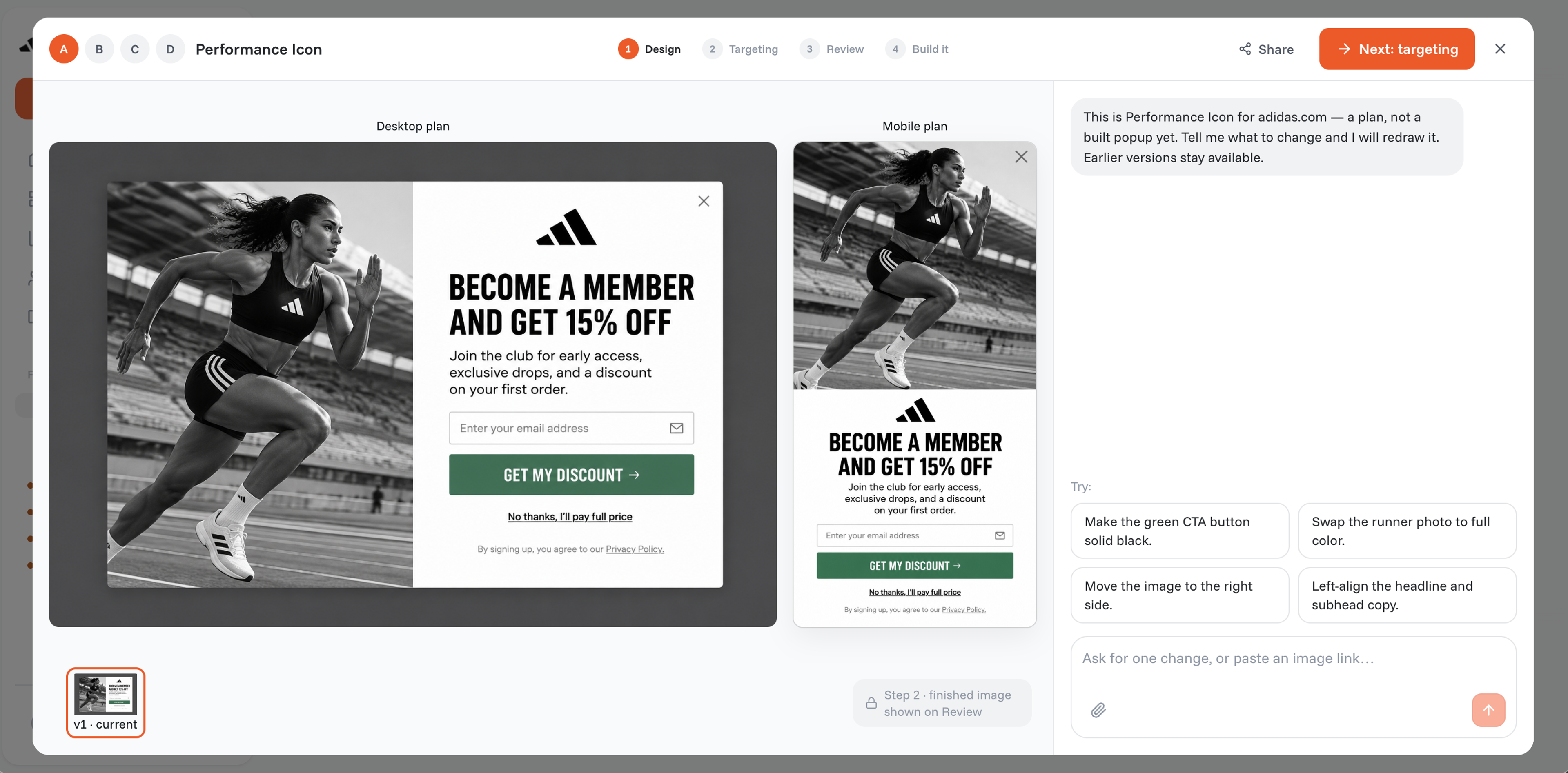
Ready to turn more visitors into customers with smart discounts? Here’s a step-by-step guide on how to set up a high-converting discount campaign using OptiMonk.
Tell the OptiMonk agent what you want, for example "a welcome popup with 15% off the first order in exchange for an email address". It draws four concepts in your brand's style. For ideas, browse the Popup Library:
Ask the agent for any change in plain words, or edit the text, images and fonts by hand in the visual editor.
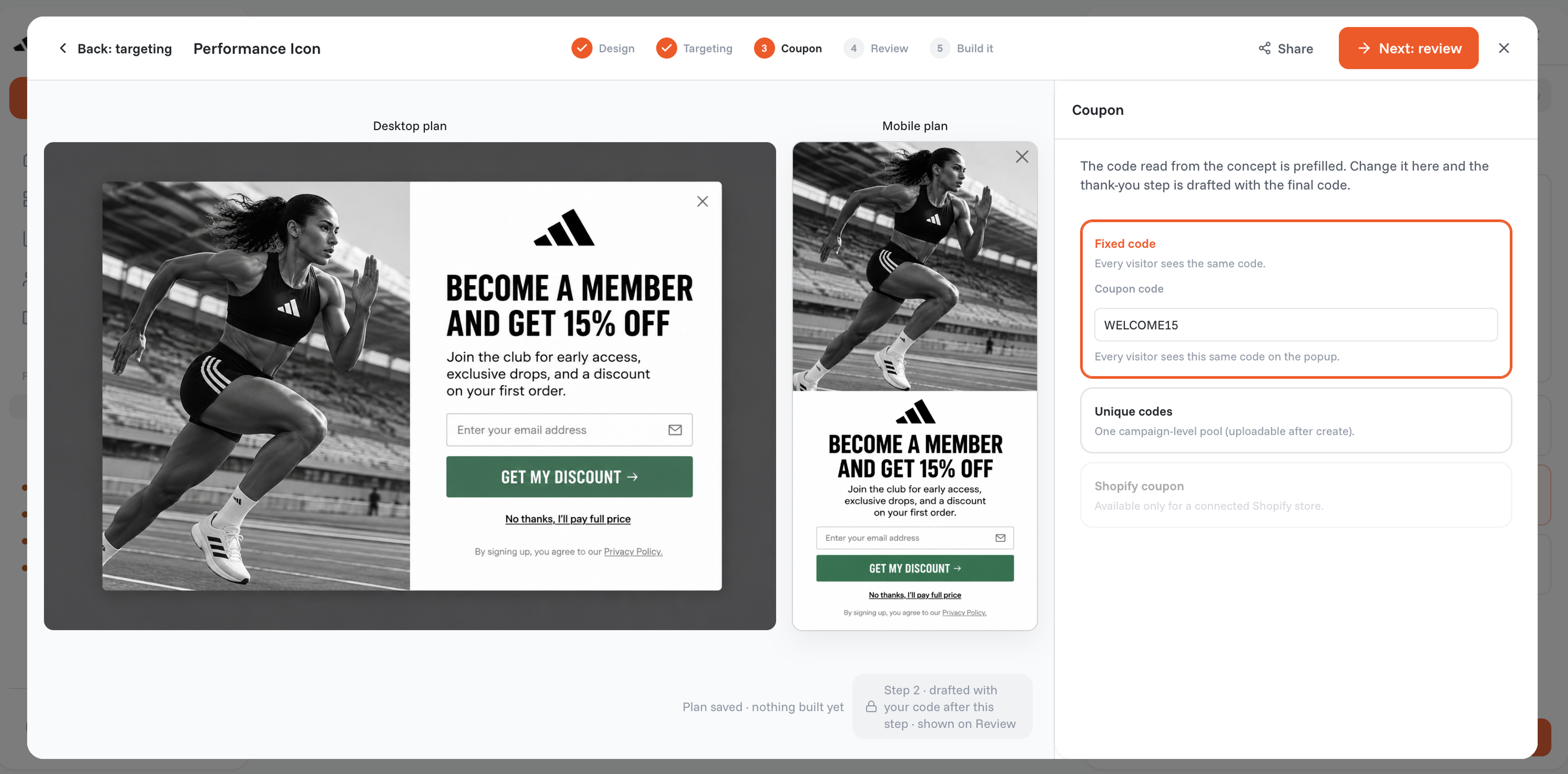
Then choose the code: a fixed code every visitor sees, a pool of unique codes, or on Shopify, coupons OptiMonk creates in your store.
You also have the option to enable Discount Code Auto-Redeem. This way, if a visitor has previously seen a code, it will be automatically applied to their cart at checkout.
To maximize conversions, your discount should appear when it’s most likely to influence a purchase, and only to the right audience.
OptiMonk lets you control exactly when your popup appears, whether it's triggered byexit intent, scrolling past a certain point, a time delay, or a click to a specific area.
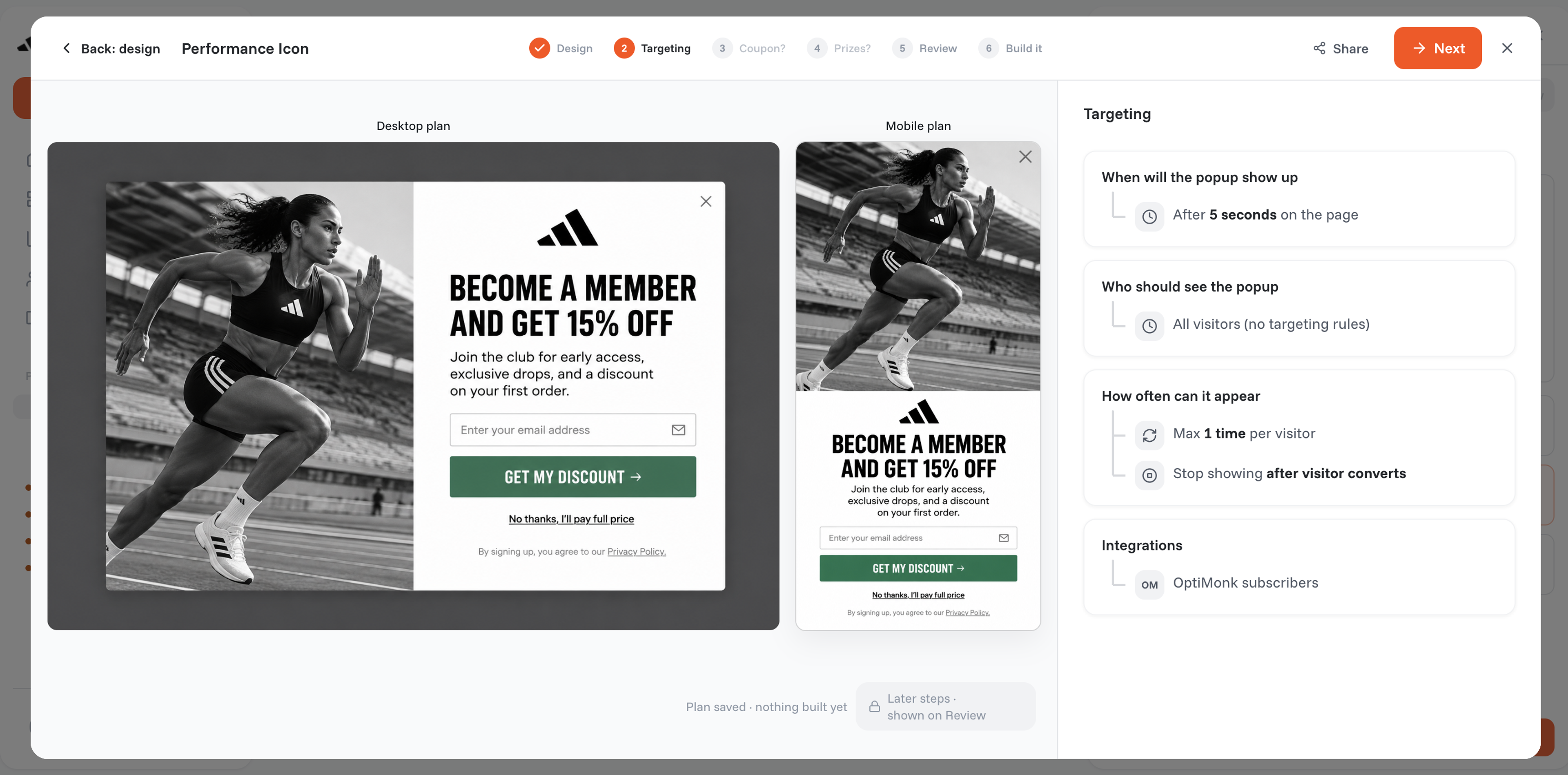
You can also define who sees it by targeting based on visitor behavior or profile, such as new vs. returning users, cart abandoners, or even by location and traffic source.
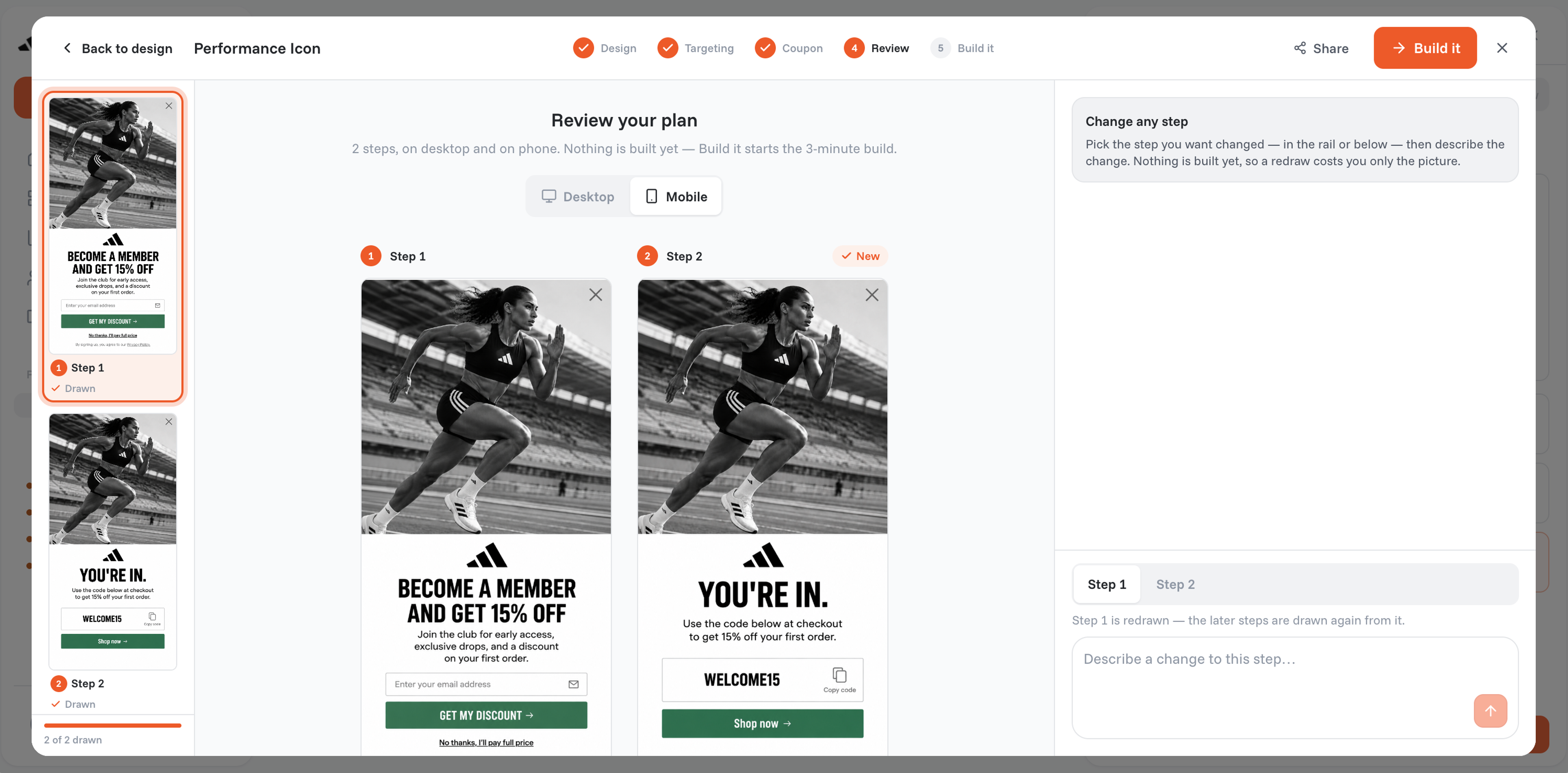
Review the plan, click "Build it" and switch the campaign on. Your discount popup is live.
You've set everything up, but visitors still aren't using their codes?
A gentle reminder can make all the difference. Show a small follow-up popup on the cart page to visitors who signed up for the discount, using the "Engaged with OptiMonk campaigns" rule, so the code is in front of them when they're ready to check out.
Yes, when used too frequently, discounts can backfire. They may lower your perceived brand value or train customers to wait for the next sale instead of buying at full price. That’s why it’s important to use them strategically, paired with targeted messaging and limited-time urgency so they feel like a reward, not an expectation.
Yes! OptiMonk allows you to run A/B tests on your popups, so you can experiment with different messaging, designs, discount types, or triggers. This makes it easy to see what resonates best with your audience and continually improve your campaigns for higher conversions.
Yes, you can fully personalize your popups based on user behavior, location, traffic source, cart value, and more. For example, you can show a first-time buyer discount to new visitors while offering a loyalty reward to returning customers. Personalization helps make your offers more relevant, which leads to better engagement and higher conversion rates.
Discounts work—but only when they’re relevant, well-timed, and aligned with your goals.
With OptiMonk, you can build personalized discount experiences that convert without feeling pushy. Whether it’s a first-time buyer offer or a mystery discount, you’re fully equipped to deliver the right message to the right audience at the perfect moment.

Discover creative Thanksgiving marketing ideas to engage customers, build buzz, and drive sales before Black Friday and Cyber Monday.
Learn 5 ways ecommerce brands can turn new subscribers into recurring revenue using welcome flows, personalization, loyalty programs, re-engagement, and referrals.
In this article, we’ve compiled a list of the 25 top ecommerce apps that will help you streamline your operations, boost sales, and grow your online business.