


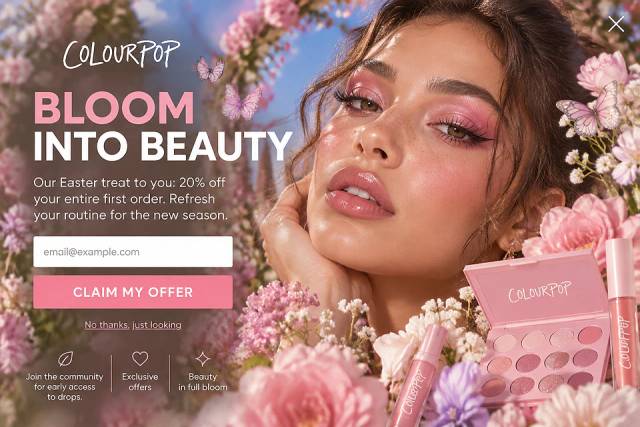
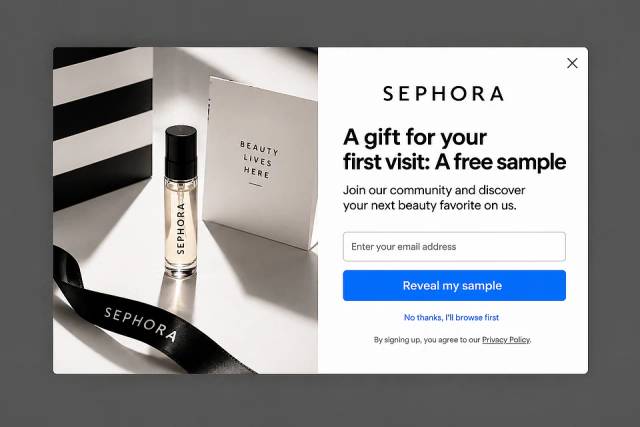
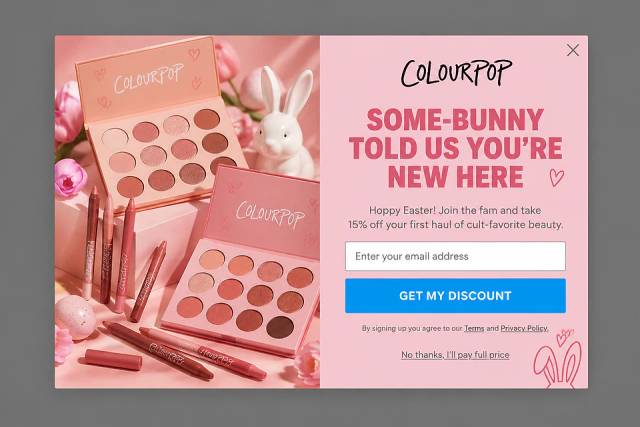
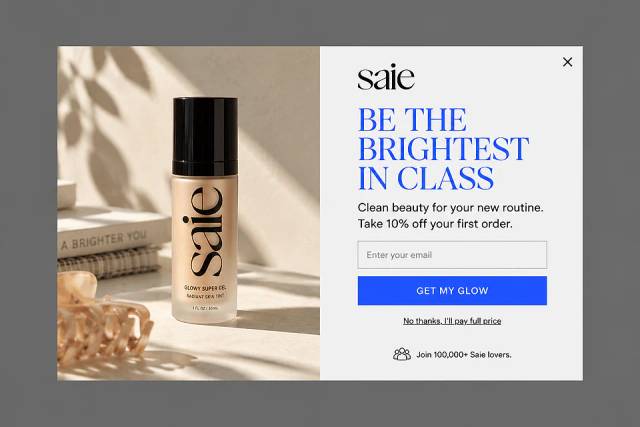
40 Welcome Message Examples for Your Website (Copy and Paste)
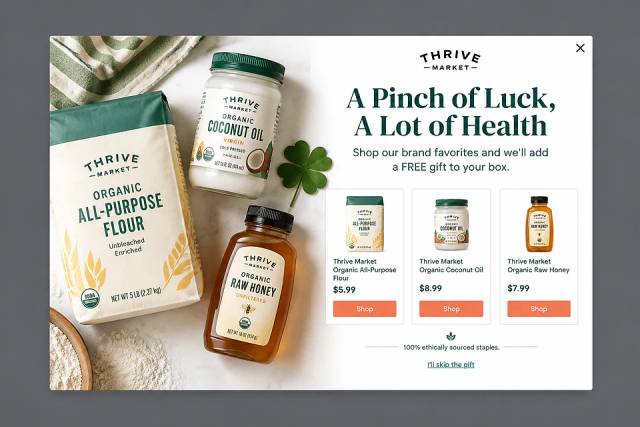
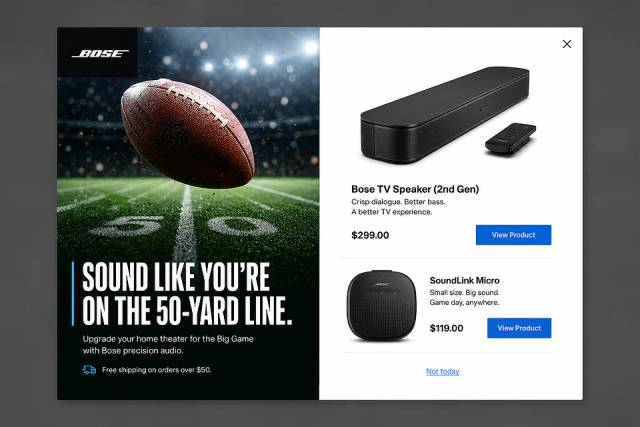
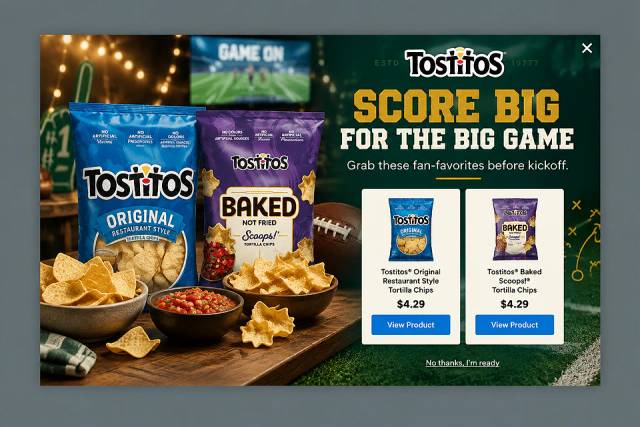
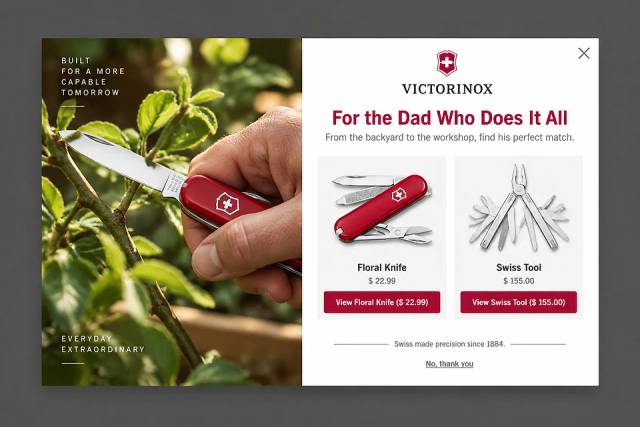
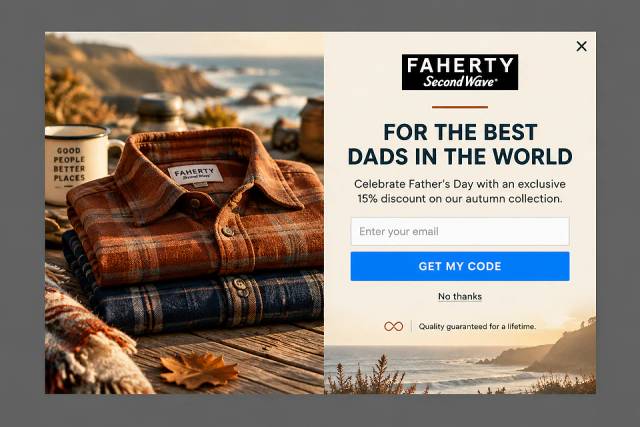
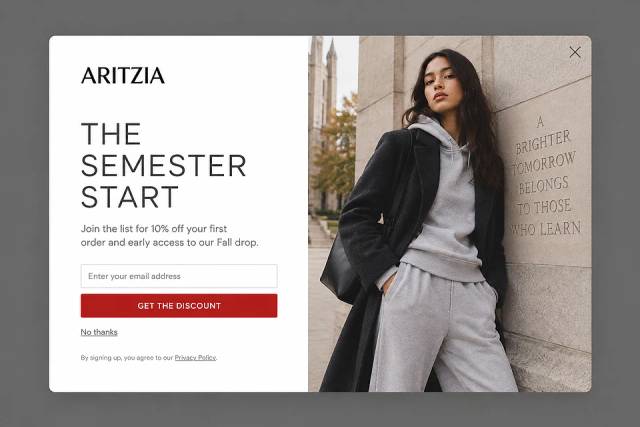
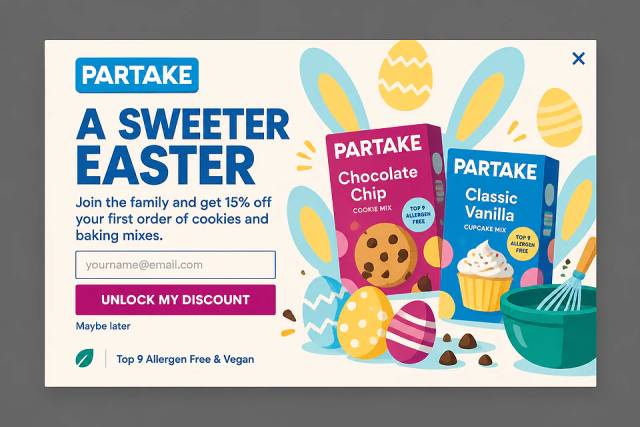
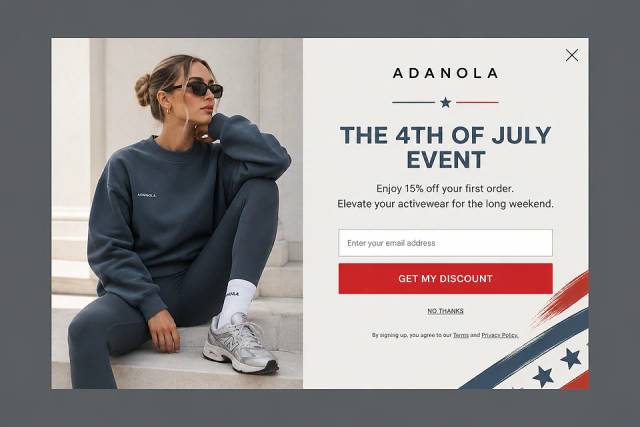
40 website welcome message examples for online stores, grouped by situation and industry, ready to copy into a welcome popup.
In this article, we’ll share what we learned from analyzing 18,000 ecommerce stores and provide actionable tips that could transform your business.
In short
Discover five actionable CRO tips from analyzing 18,000 ecommerce stores to boost your conversion rates. Learn how A/B testing, personalized messaging, and strategic popups can transform your ecommerce business. Increase conversions by understanding traffic sources, optimizing for mobile, and tackling cart abandonment effectively. Implement these insights to see significant improvements in your ecommerce success.
We recently delved into the data from 18,000 ecommerce websites and published research featuring 27 key CRO statistics.
Looking at these statistics, we uncovered more than just numbers—we found valuable insights for any ecommerce business.
In this article, we’ll share what we learned and provide actionable tips that could transform your business in 2025.
Let’s break it down!
Only 1.81% of all website traffic actually converts into customers.
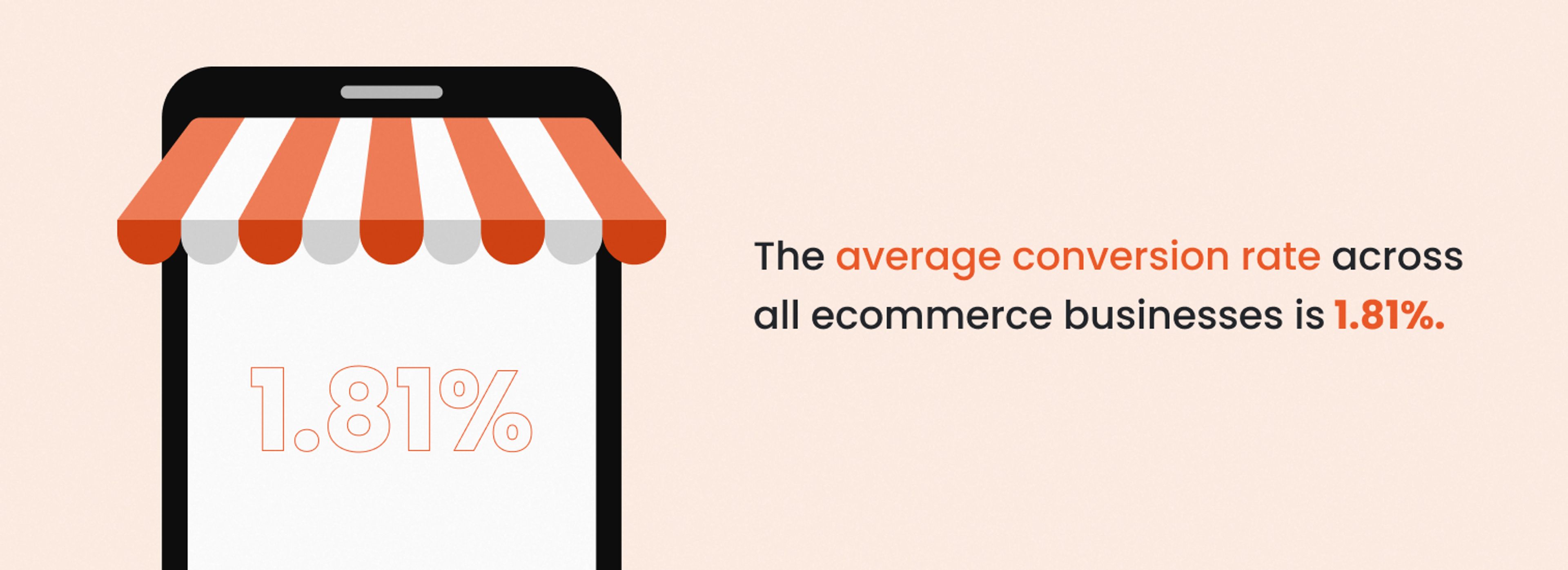
Yes, you read that right. Out of every 100 visitors, less than two make a purchase. If that doesn’t get your CRO senses tingling, nothing will.
So, what’s the fix? Start with the basics: A/B testing.
By experimenting with different elements on your site—headlines, call-to-action buttons, and product descriptions—you can identify what resonates most with your audience.
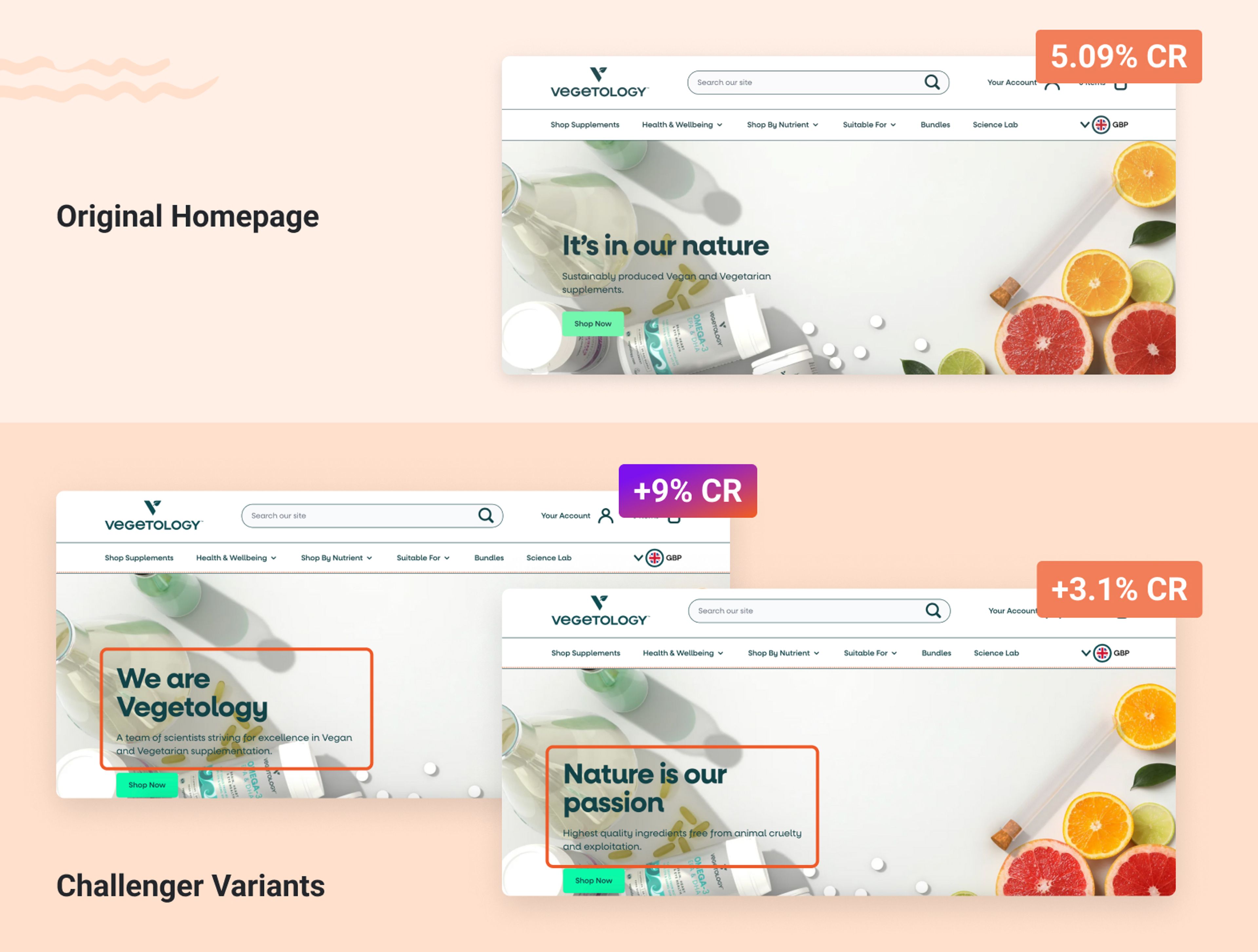
Follow Vegetology’s lead, who saw a 9% increase in conversion rates simply by testing different homepage headlines. Small tweaks can make a big difference.
Another pro tip? Leverage website popups. These can be powerful tools for nudging potential customers towards making a purchase.
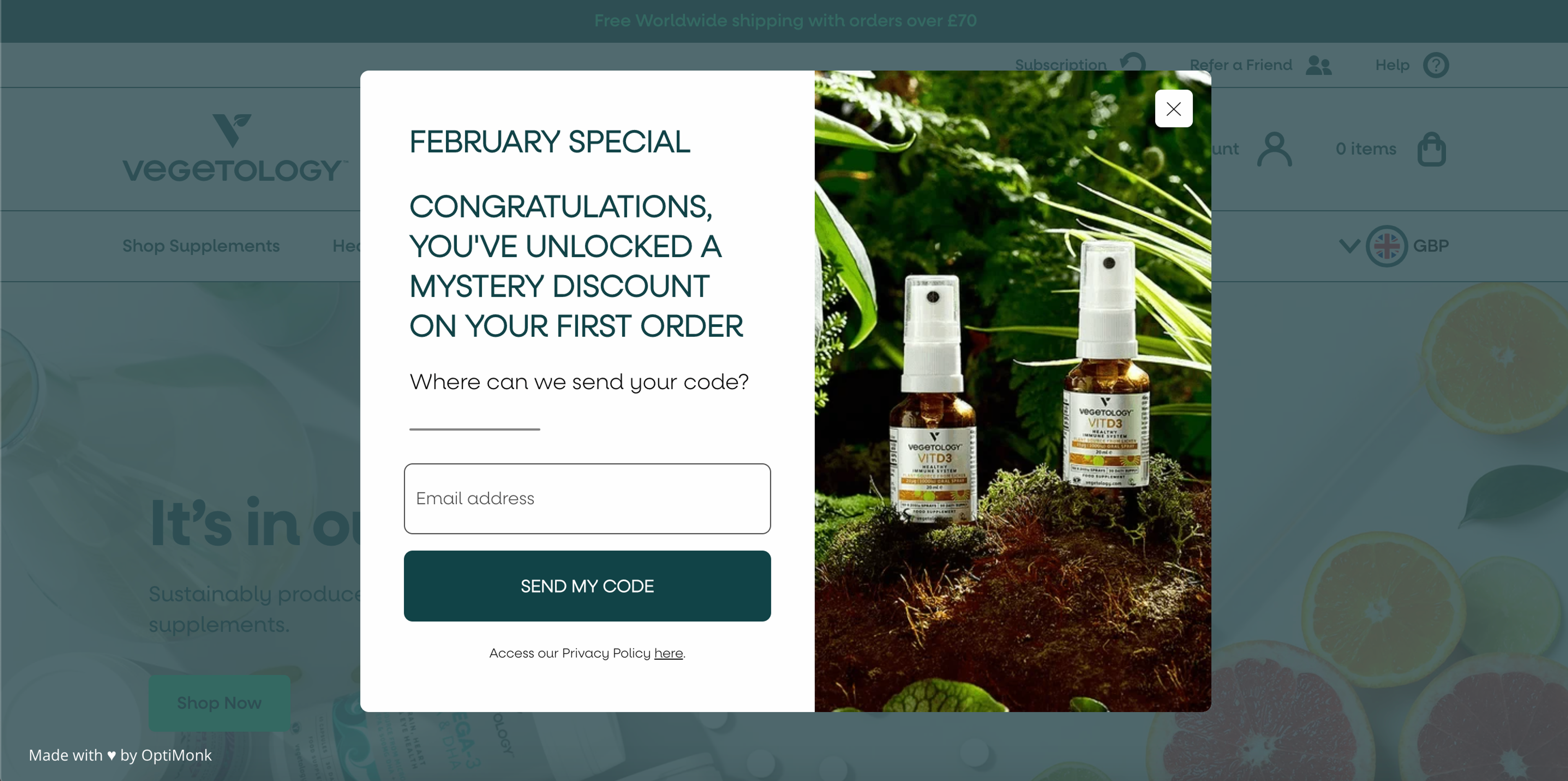
For instance, Vegetology implemented a mystery discount popup, which appeared only when visitors were about to leave the site. This clever strategy not only had a 13.8% email signup conversion rate but also boosted their overall ecommerce conversion rate by 21%.
The key here is subtlety—nobody likes a spammy popup, so make sure yours are well timed and relevant.
Here are some popup ideas you can use to build your email list and increase conversions at the same time:
Not all traffic is created equal, especially when it comes to conversion rates. Here’s the breakdown:
This disparity tells us something crucial: visitors have different intentions depending on where they come from. Social media users might be in “browse” mode, while those coming from search engines often have more purchase intent.
The takeaway?
Personalize your messages based on the traffic source, tailoring your offers to match the mindset of your visitors.
For instance, search engine traffic might respond better to detailed product comparisons, while social media visitors could be drawn to limited-time offers or visually appealing promotions.
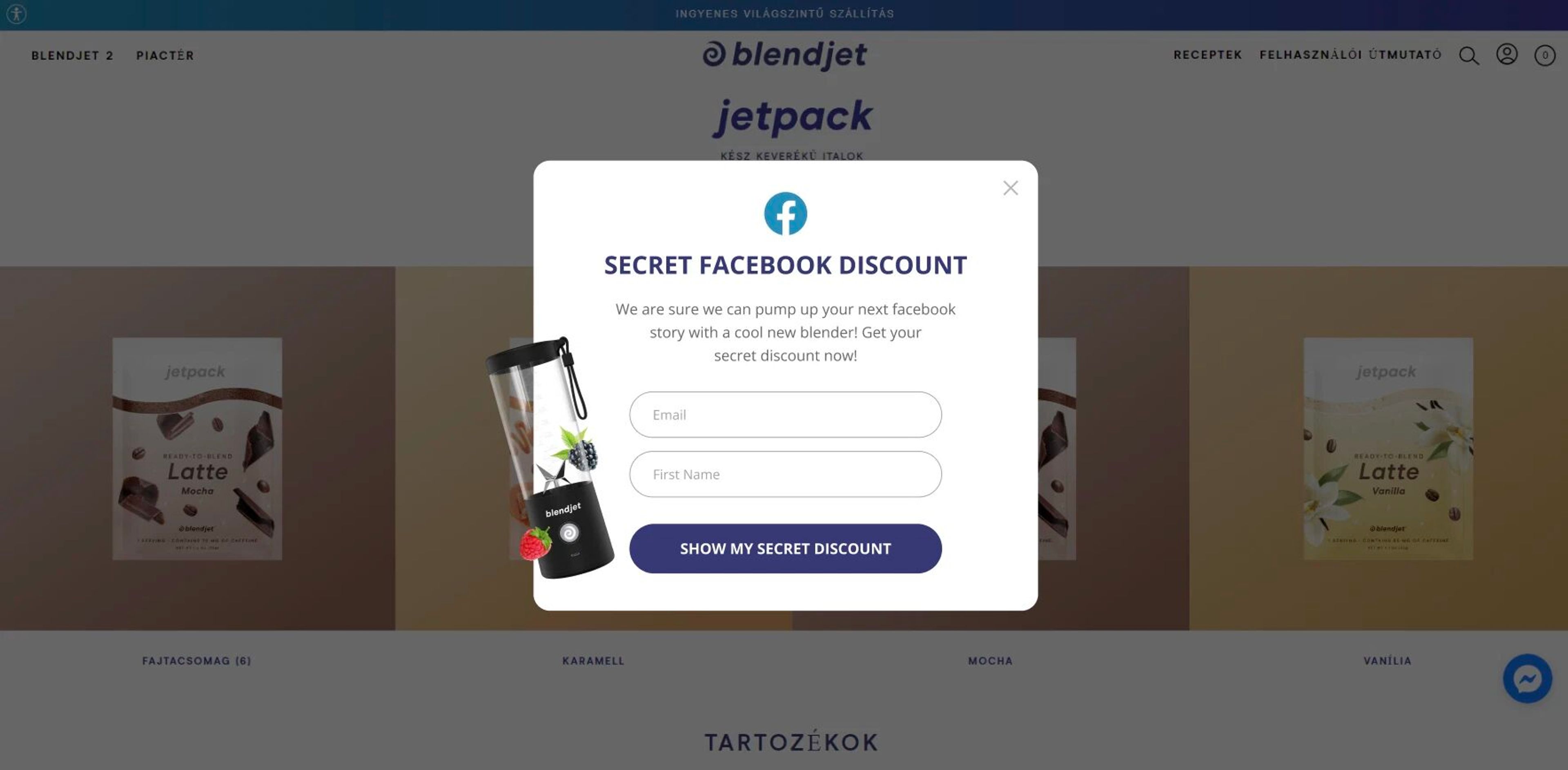
Tools like OptiMonk can help you target visitors with customized messages based on where they came from, increasing the likelihood of a conversion.
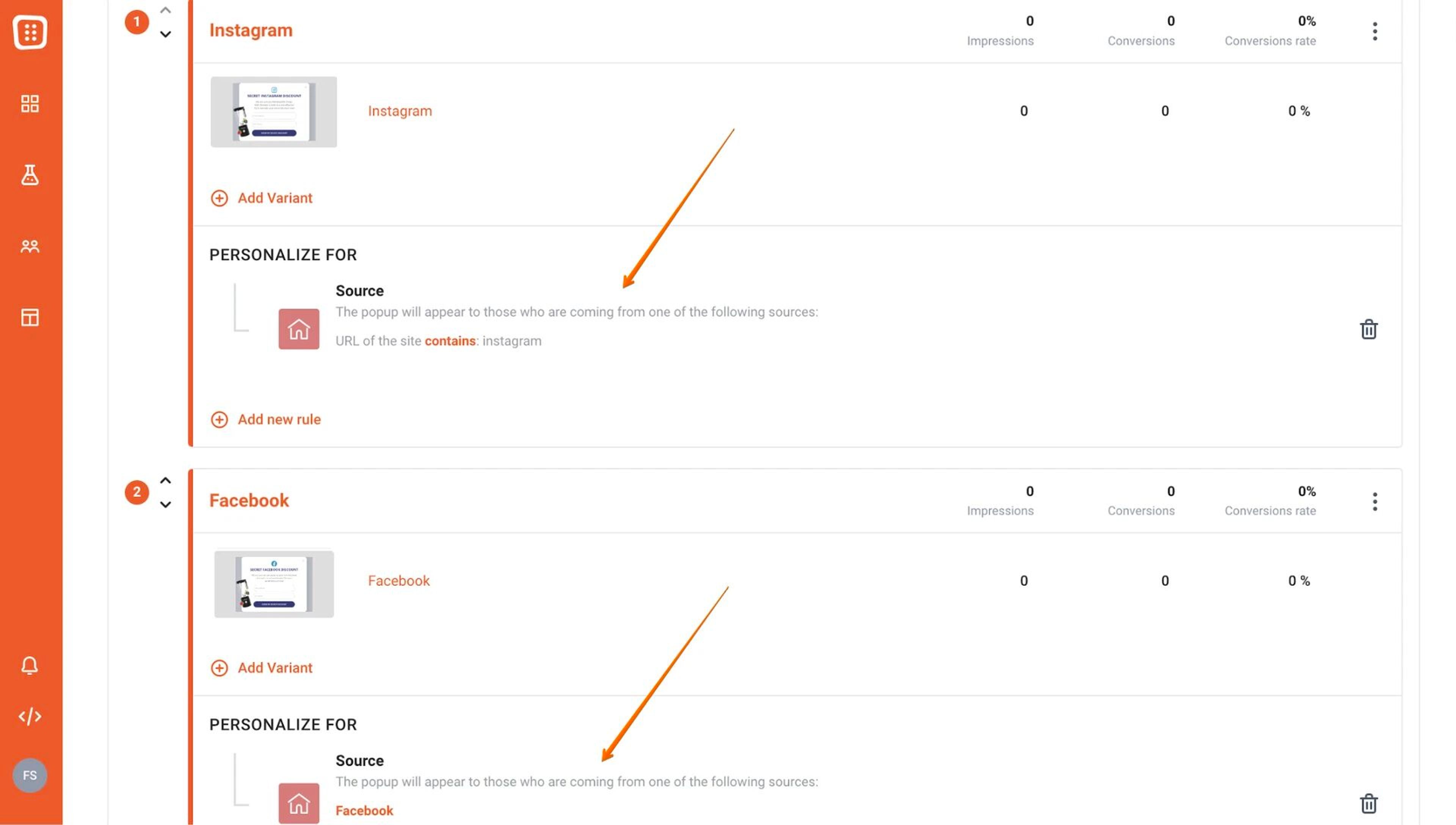
Click here for a detailed step-by-step guide on setting up a traffic-based welcome message for your visitors.
Here’s an interesting stat: the average order value (AOV) for desktop users is $230.21, while for mobile users, it’s only $145.49.
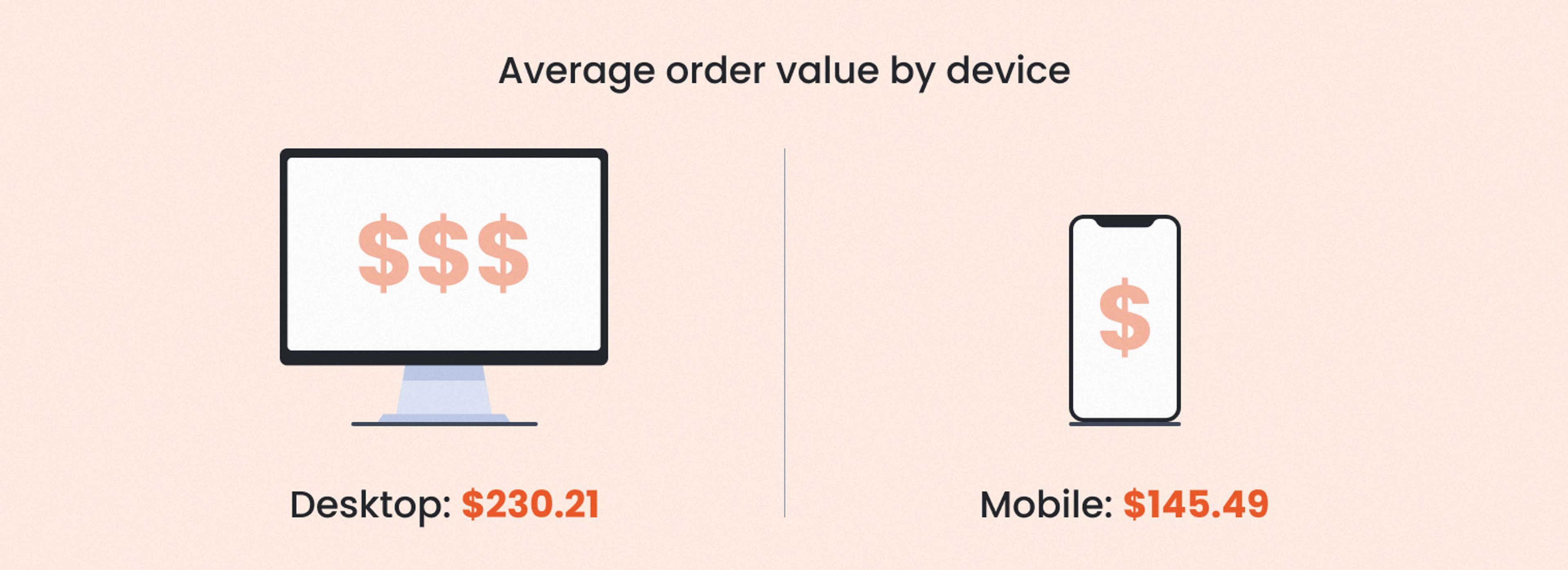
It seems that when people are shopping on their phones, they’re spending less. This could be due to the ease and comfort of browsing on a larger screen.
But don’t let the lower mobile AOV fool you—most of your traffic is probably coming from mobile devices. So, how can you boost that mobile AOV?
Consider using product recommendation popups specifically designed for mobile.
Take a page from the playbook of brands like Millie n Me, who successfully increased mobile sales by suggesting complementary products on a popup when visitors spent a lot of time on a product page.
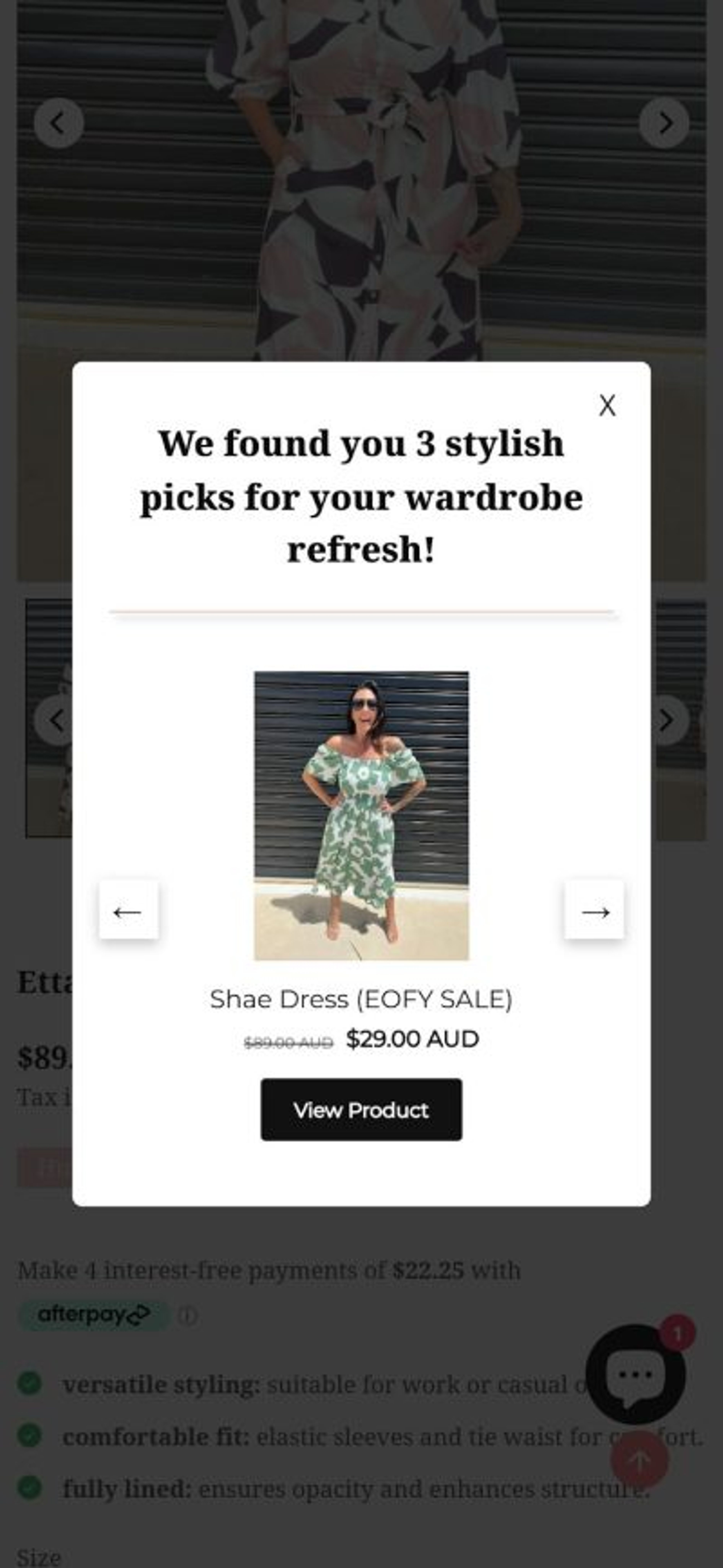
For them, this tactic resulted in a 5.65% increase in revenue. The lesson? A well-timed recommendation can turn a mobile browser into a big spender.
Here are some product recommendation popup ideas you can try:
Social traffic may be plentiful, but it also has the highest bounce rate at a whopping 63.89%.
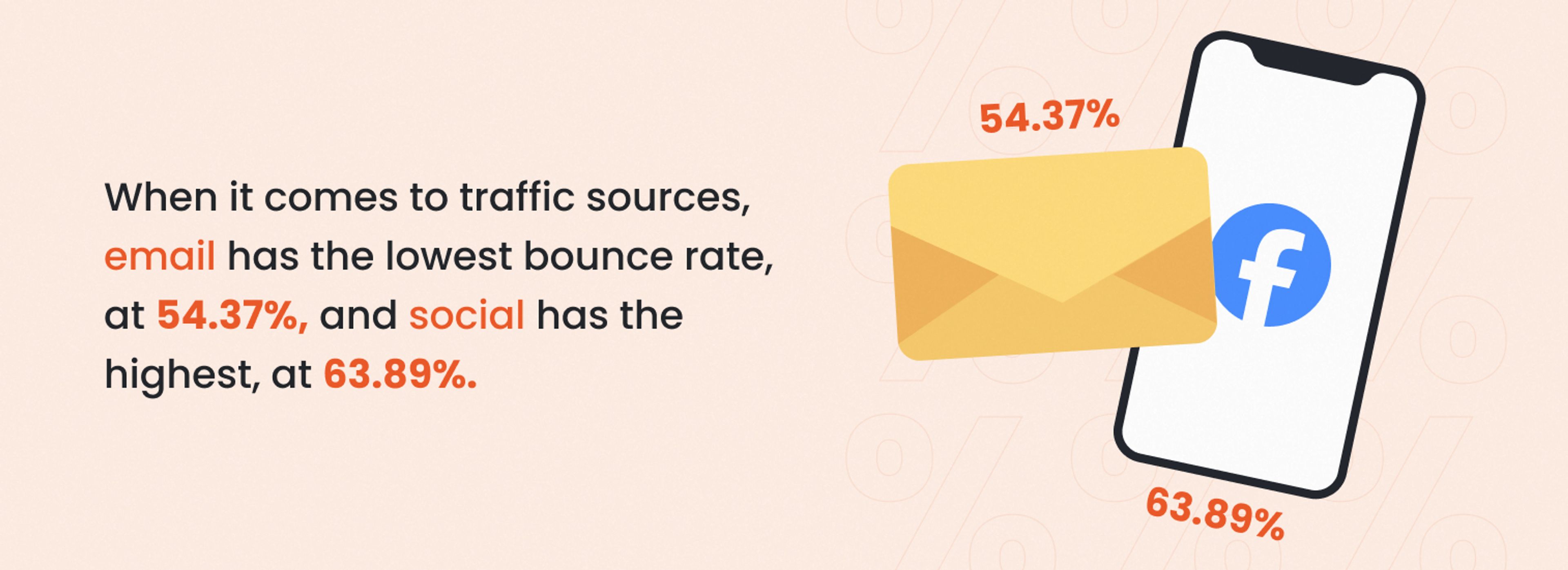
Visitors from social media platforms are quick to leave if they don’t find what they’re looking for—or if something else grabs their attention.
To combat this, consider implementing exit-intent popups. These are designed to appear just as a visitor is about to leave your site, offering them a compelling reason to stay (like a discount or a special offer).
It’s a simple yet effective way to reduce your bounce rate and keep those potential customers engaged.
Try these templates:
The cart abandonment rate has climbed to 70.32%.
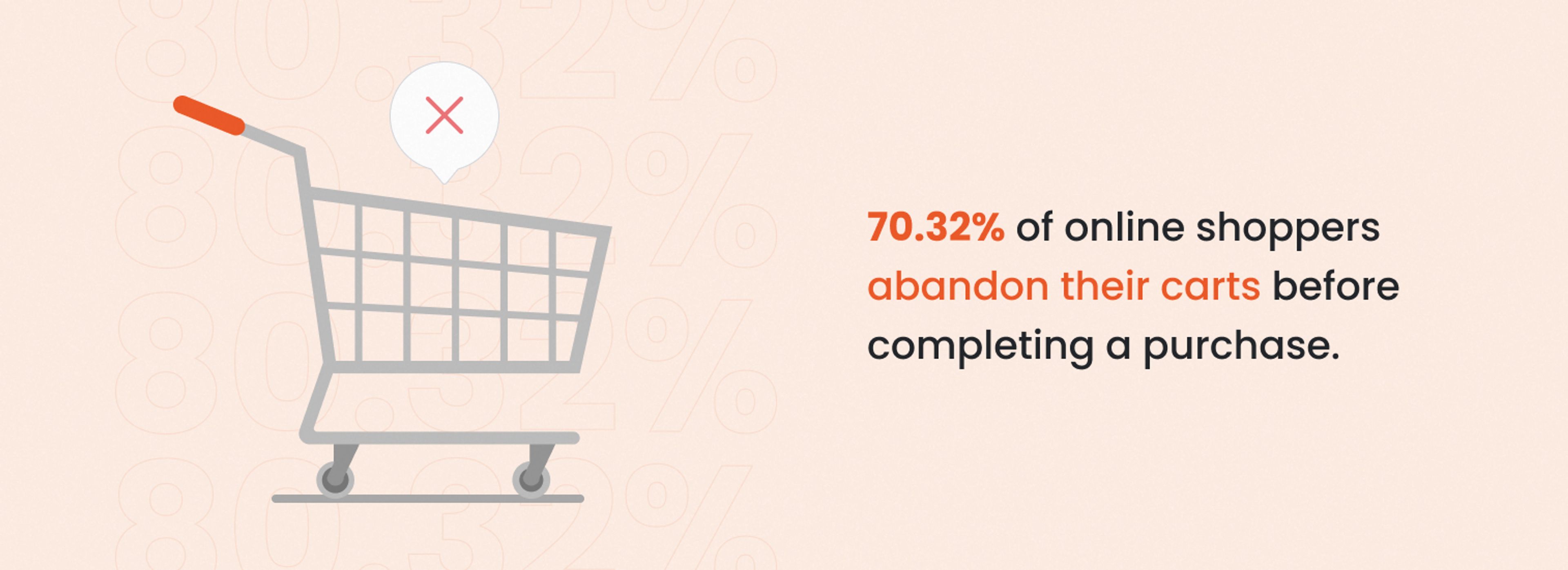
That means more than two-thirds of shoppers add items to their cart but don’t complete the purchase. Yikes.
To tackle this, exit-intent popups can again be your secret weapon.
You can use them to remind visitors about the items they’ve left behind, like ParfumeLab does in this example:
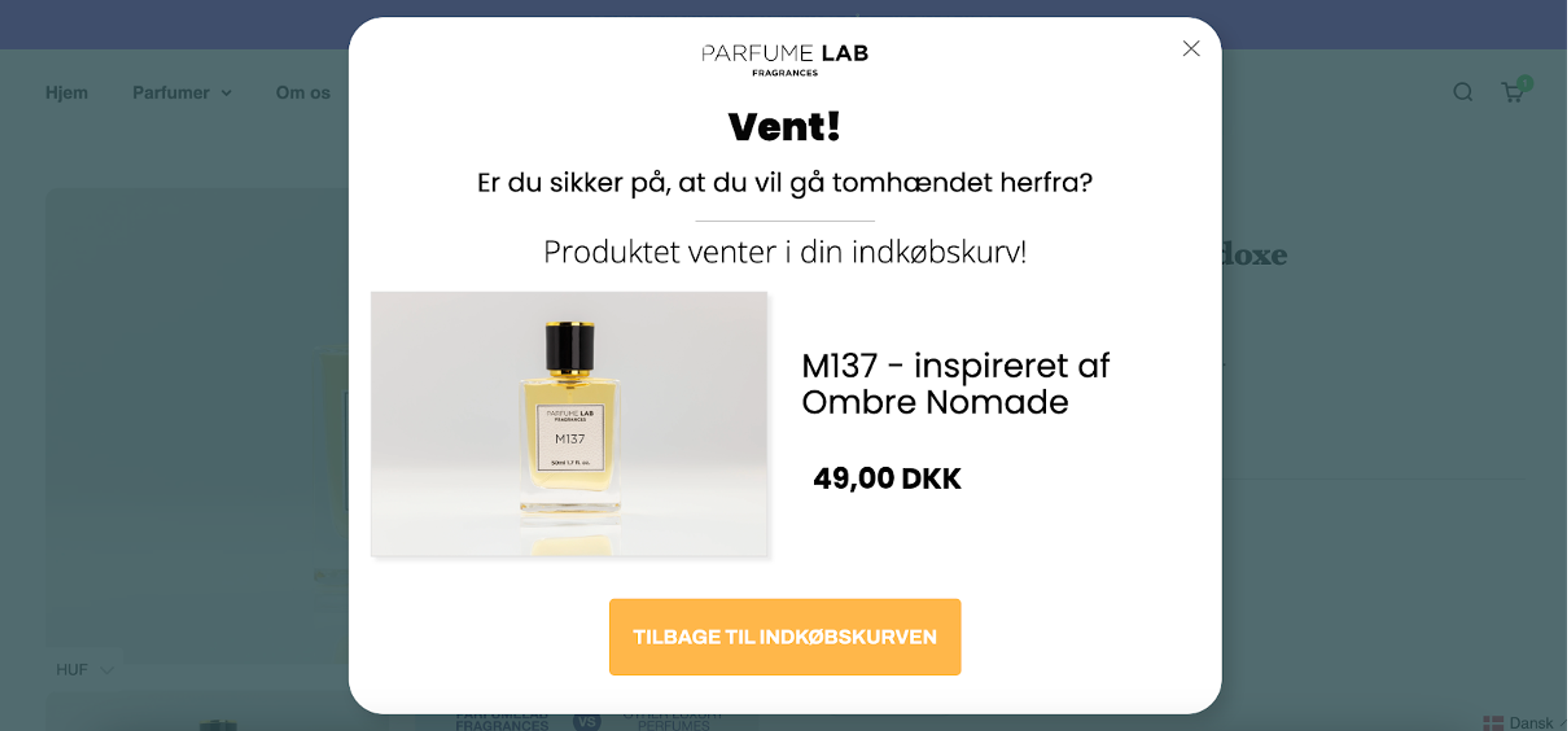
Or you can sweeten the deal with a limited-time discount. Creating a sense of urgency can be just the push they need to finish the transaction.
Check out this example from Kiss My Keto:
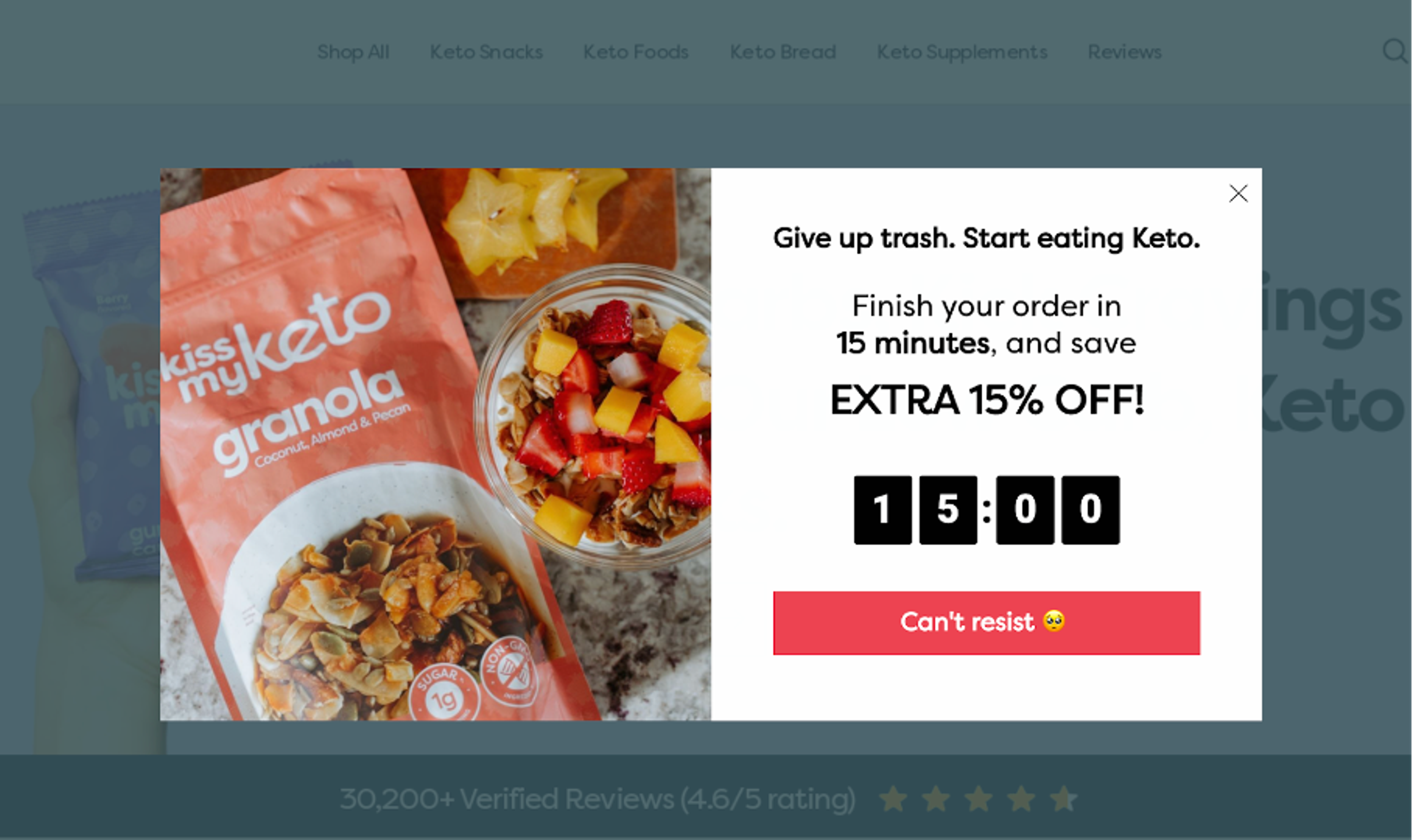
If you’d like to decrease cart abandonment, try these popup ideas:
CRO is not one-size-fits-all. It’s about understanding your audience, testing what works, and constantly refining your approach.
Whether it’s optimizing for mobile, personalizing messages based on traffic source, or reducing bounce rates, these strategies and insights from our study of 18,000 ecommerce stores should give you a solid foundation to start improving your conversion rates.
Remember, small tweaks can lead to big results, so don’t shy away from experimenting!

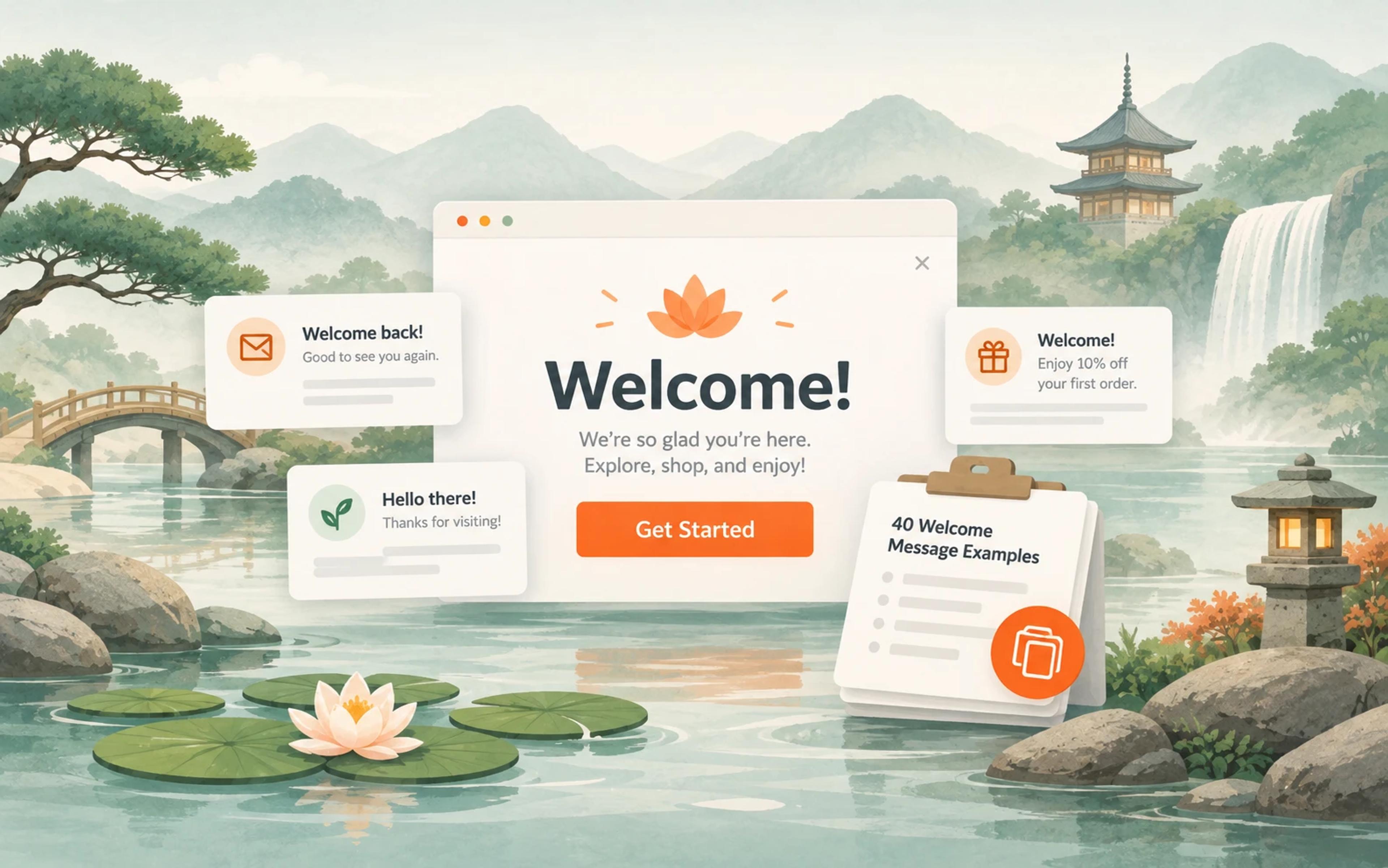
40 website welcome message examples for online stores, grouped by situation and industry, ready to copy into a welcome popup.
12 Christmas popup examples for online stores, from welcome offers and spin-to-win wheels to gift quizzes and last-chance countdowns.
In this article, we'll share the best alternatives to Sleeknote that help you to get more leads in 2026.