


Black Friday Marketing Strategy: 30 Ideas for 2026
In this article, we'll share 30 actionable Black Friday marketing ideas for ecommerce businesses to make 2026 your most successful yet.
In this article, we’ll showcase ten of the best lead generation examples that can help you attract and convert prospects into engaged leads.
In short
Discover 10 innovative lead generation strategies for 2026 that can transform your marketing efforts. From interactive quizzes and mystery discounts to engaging webinars and social media tactics, these examples are designed to attract and convert potential leads effectively. Enhance your lead generation with these proven techniques and watch your business grow.
You’ve got a great product or service, but generating leads and getting the right people to notice and actually show interest? That’s the real challenge.
If you’ve been struggling to find lead generation strategies that work or just want to refresh your approach, you’re in the right place. In this article, we’ll showcase ten of the best lead generation examples that can help you attract and convert prospects into engaged leads.
Let’s get started!
Before we dive into the lead generation examples, let’s clarify what lead generation actually is.
At its core, lead generation is the process of attracting and converting strangers and prospects into people who have indicated interest in your company’s products or services.
This interest is typically demonstrated by actions like filling out lead generation forms, signing up for a newsletter, or downloading a free resource.
Lead generation is crucial for one simple reason: without leads, your business can’t grow.
Leads are the lifeblood of any company—they're the potential customers who will ultimately buy your products or services.
Effective lead generation allows you to build a relationship with your audience, understand their needs, and position your offerings as the perfect solution.
In a world where consumers are bombarded with choices, targeted lead generation ensures you're not just part of the noise but a clear and relevant option.
Ready to revamp your lead generation strategy? Here are ten lead generation strategy examples that are not only creative but also proven to be effective.
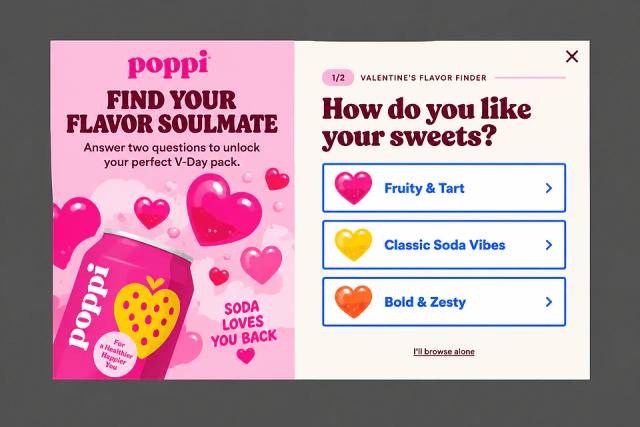
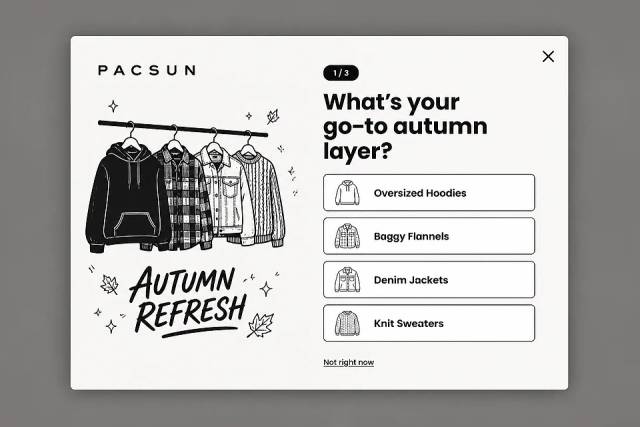
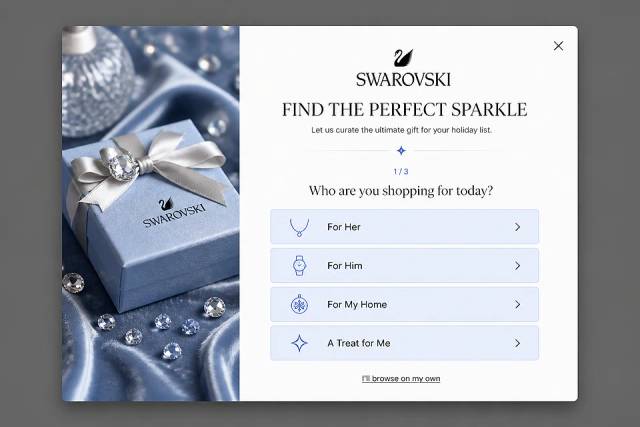
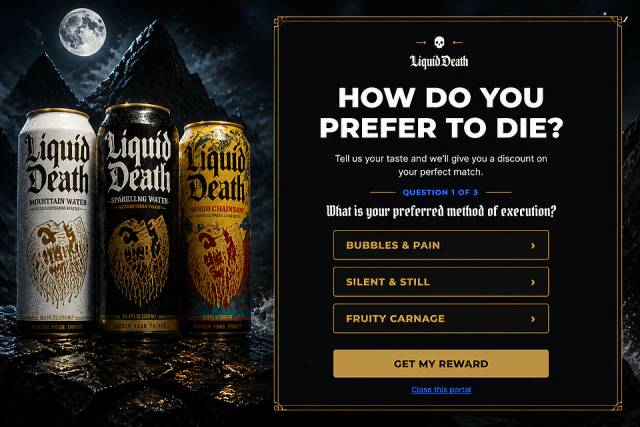
Quizzes are a fantastic way to engage potential leads while collecting valuable data.
Function of Beauty’s custom hair quiz is a prime example. By asking users specific questions about their hair type, concerns, and goals, they can offer personalized product recommendations tailored to each user’s unique needs.
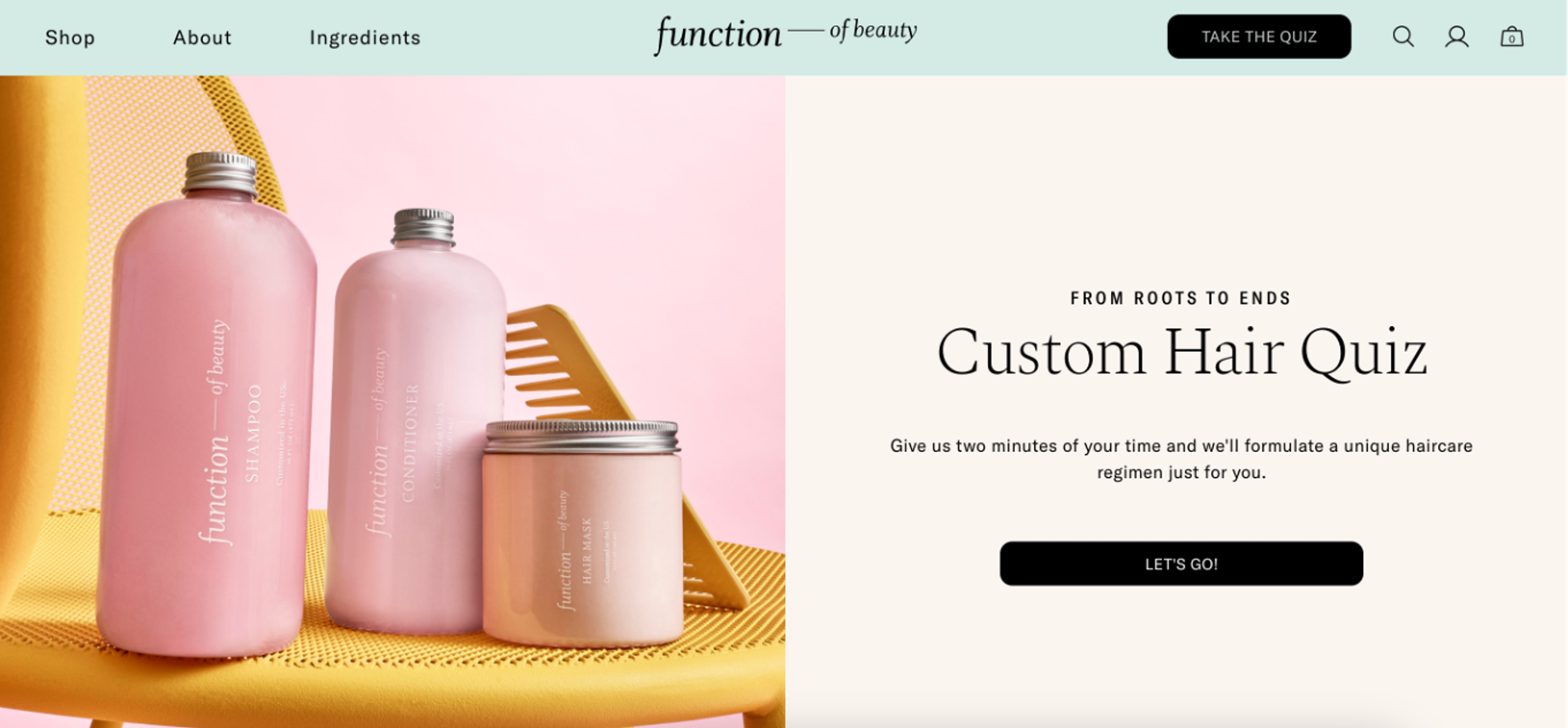
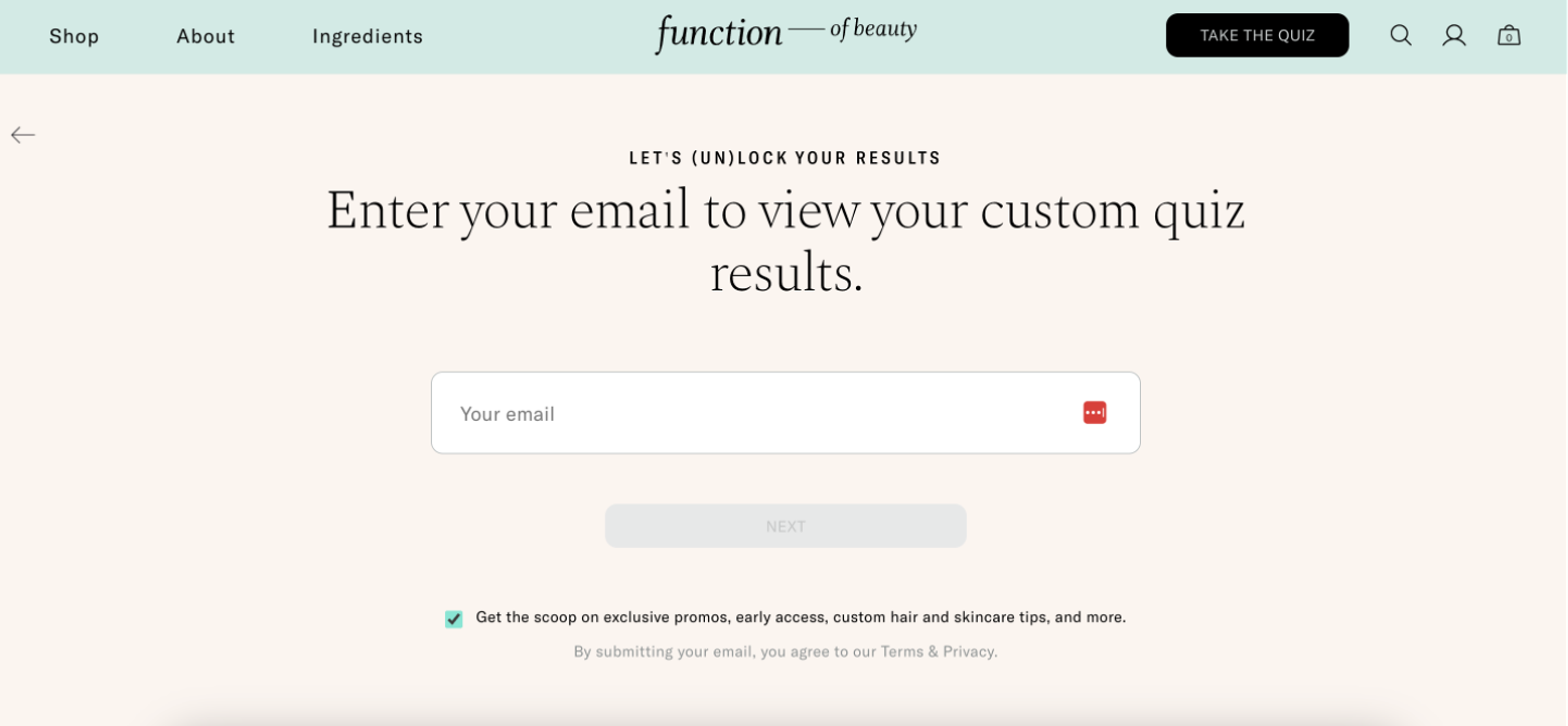
This lead generation strategy creates a highly personalized experience and builds a sense of trust and relevance. Users feel understood and valued, making them more likely to convert.
Quizzes like this are particularly effective because they provide immediate, personalized value in exchange for basic information like an email address. Additionally, they help generate qualified leads by ensuring that the collected information aligns with the users' specific needs and preferences.
Try these quiz popup templates to get started with this strategy quickly:
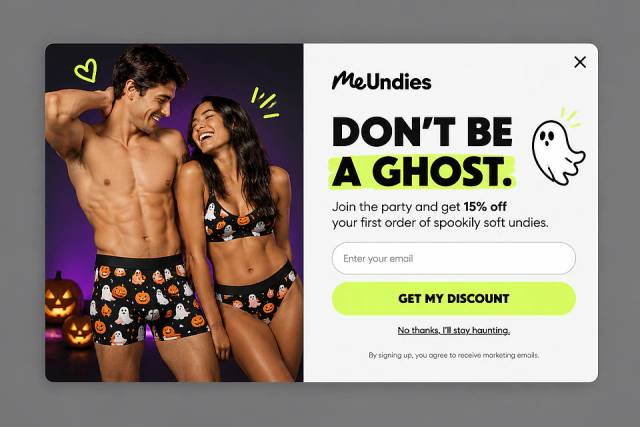
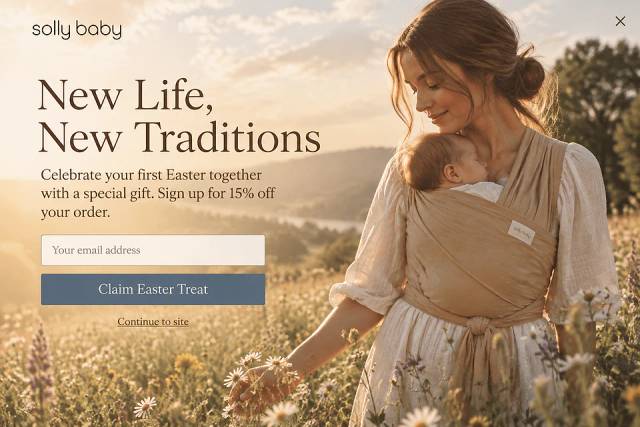
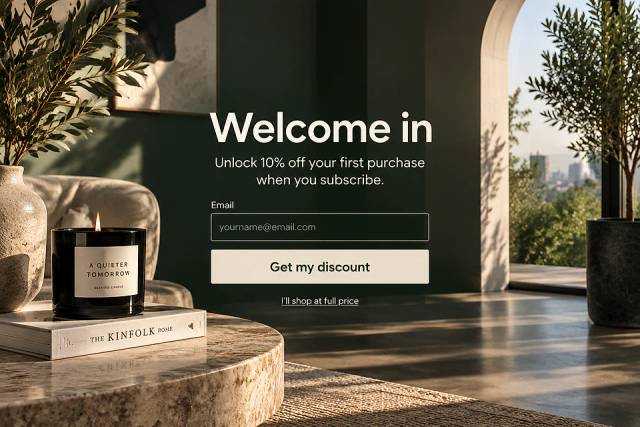
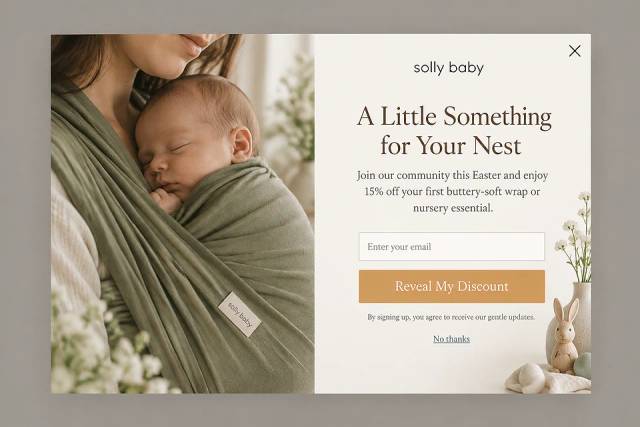
Everyone loves a good deal, and a percentage discount is a straightforward way to capture attention.
Beis Travel’s popup, which offers new visitors 15% off their first purchase, is a great example of this lead generation strategy in action.
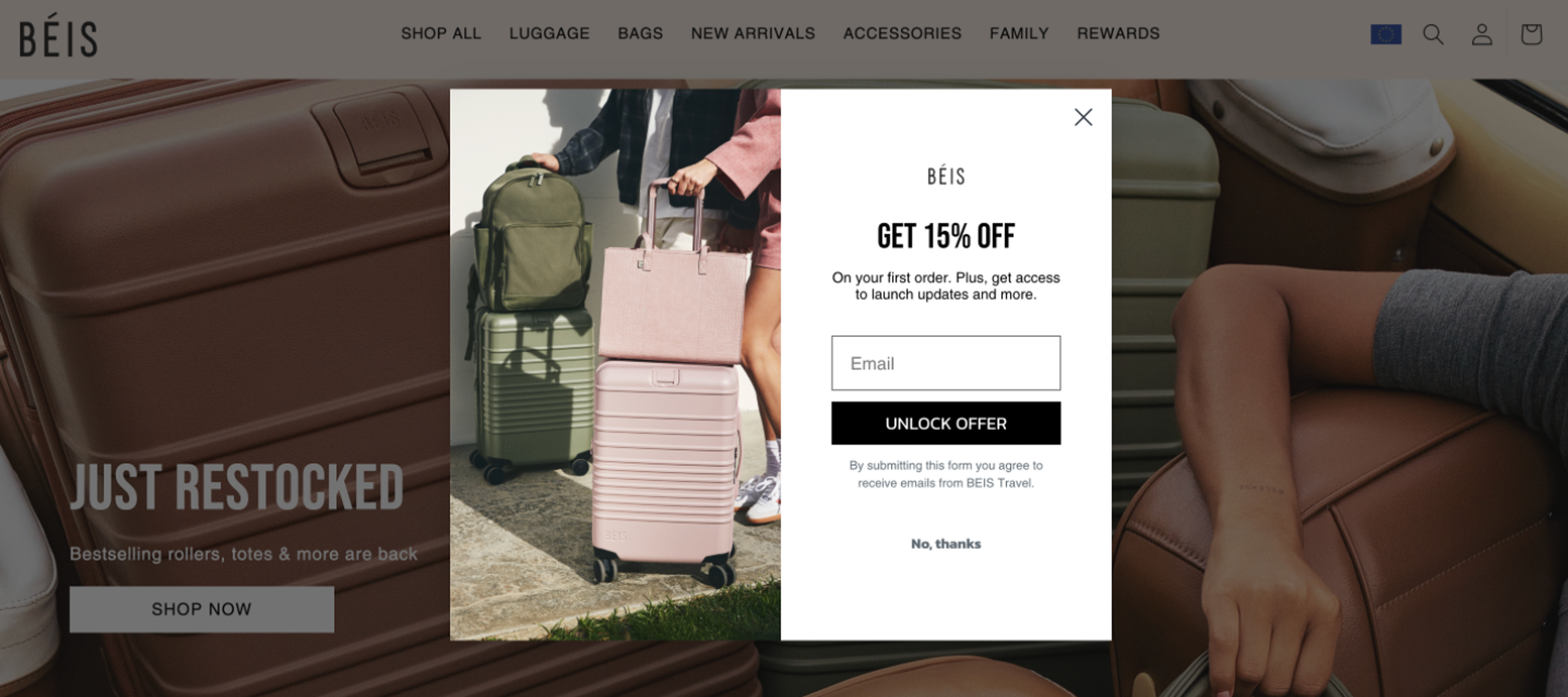
By presenting the discount as a limited-time offer, they create a sense of urgency, prompting website visitors to act quickly. This approach capitalizes on the prospect’s immediate interest and incentivizes them to make a purchase before leaving the site.
It’s a simple yet effective way to convert window shoppers into paying customers.
Here are some discount popup templates you can try if you'd like to generate leads:
If you want to add an element of intrigue to your lead generation strategy, consider offering a mystery discount.
Vegetology’s popup teases visitors with an “exclusive discount” but keeps the exact amount a mystery. This tactic plays on human curiosity, encouraging visitors to provide their email address in exchange for discovering the deal.
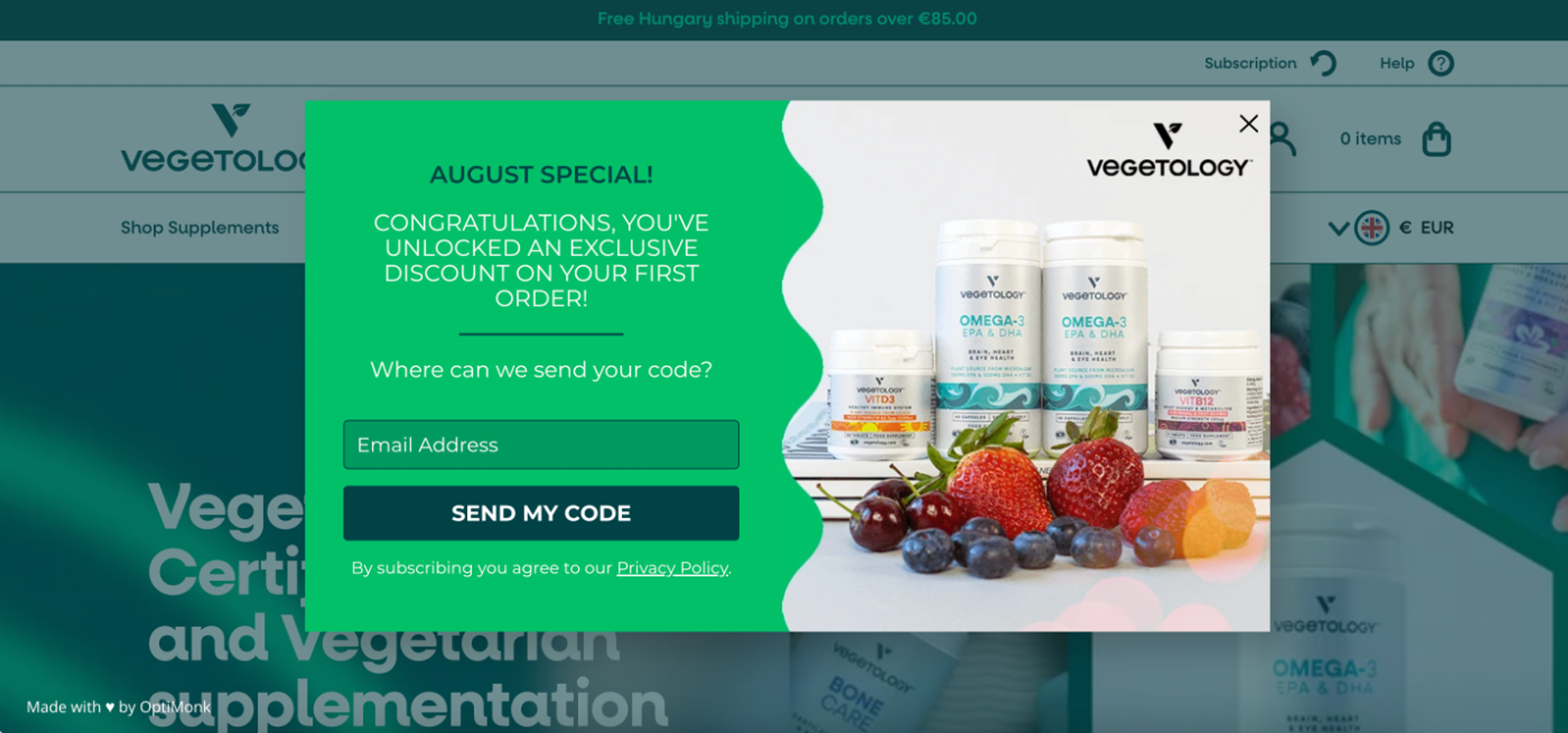
Mystery discounts can serve as an effective lead generation tool by capturing potential customer information and enhancing lead quality.
The mystery element adds a fun and engaging twist, making the lead generation process feel more like a game than a transaction.
Giveaways are a powerful way to generate leads quickly.
Magic Spoon leverages this strategy by offering visitors a chance to win free cereal in exchange for their email address. The key to their success is the simplicity and appeal of the prize—it’s a product that people already love or are eager to try.
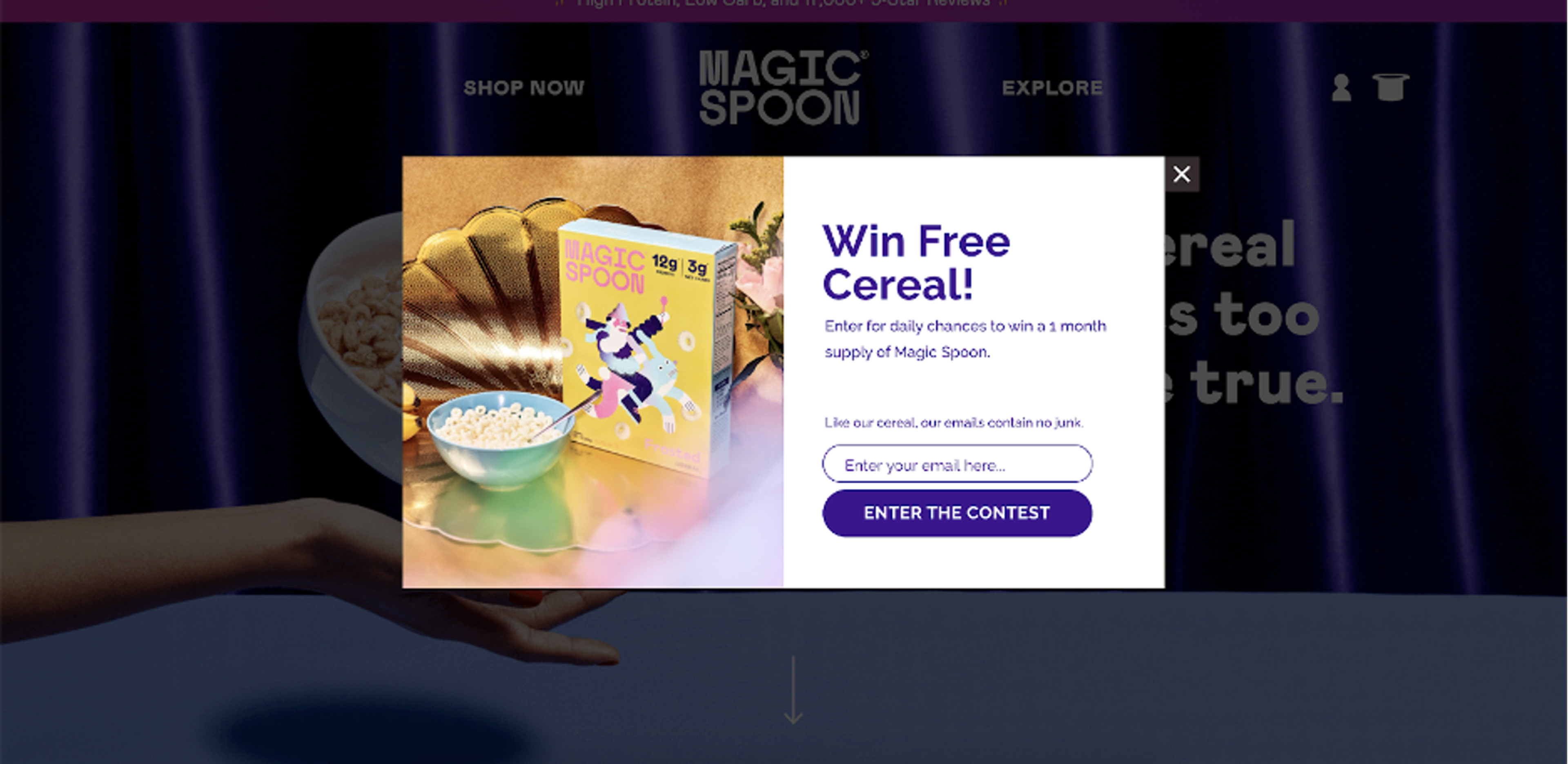
This lead generation example taps into the excitement of winning something for free, making it an easy decision for visitors to enter their information. Giveaways like this can quickly build your email list, giving you a large pool of leads to nurture and convert.
You can get started with these giveaway popup templates:
Gamification adds a fun, interactive element to lead generation, making the process enjoyable for users.
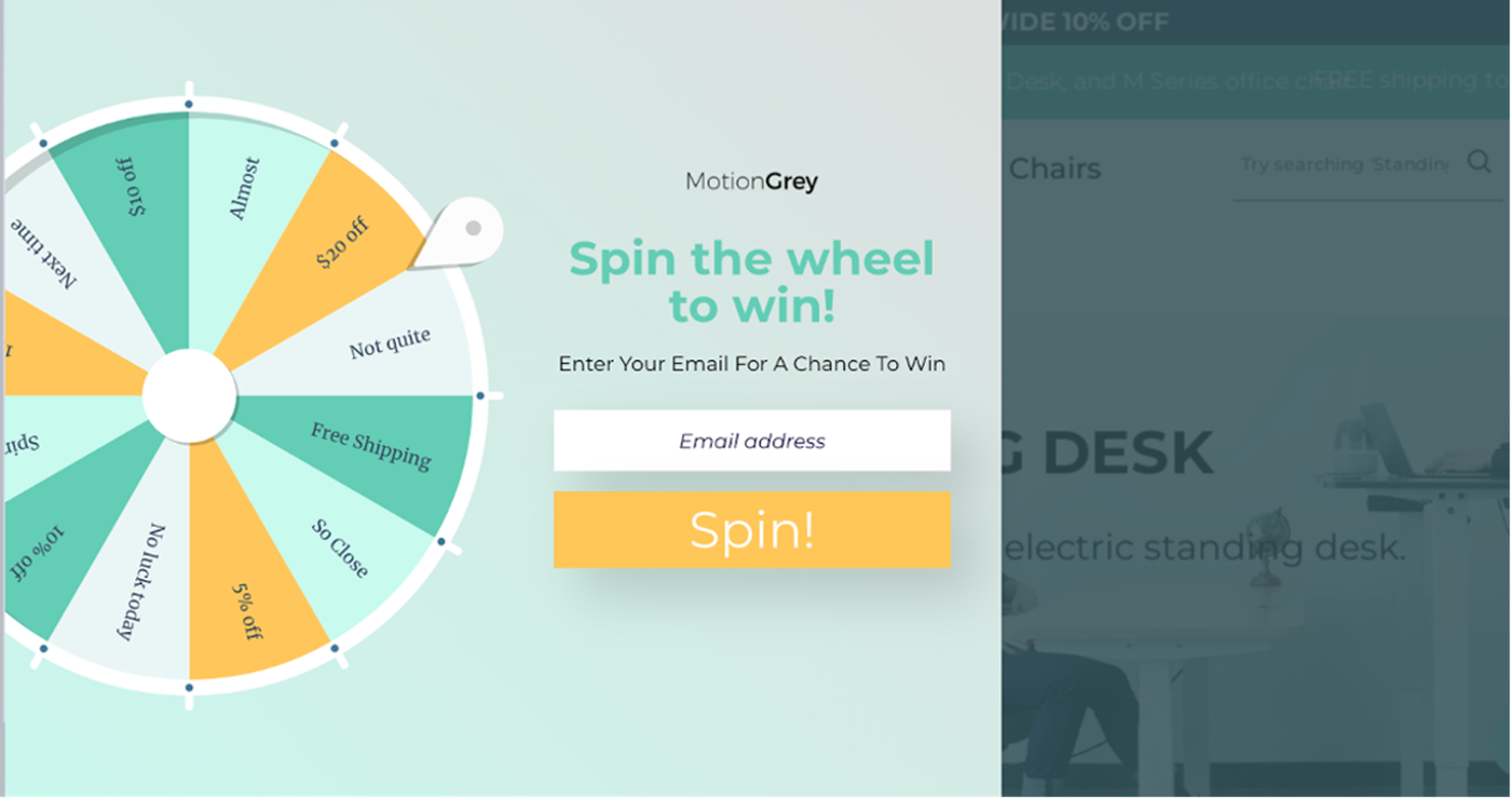
For example, MotionGrey uses a “lucky wheel” popup where visitors can spin to win a discount or prize.
Similarly, London Lash offers a digital scratchcard, allowing users to “scratch off” a virtual card to reveal their discount.
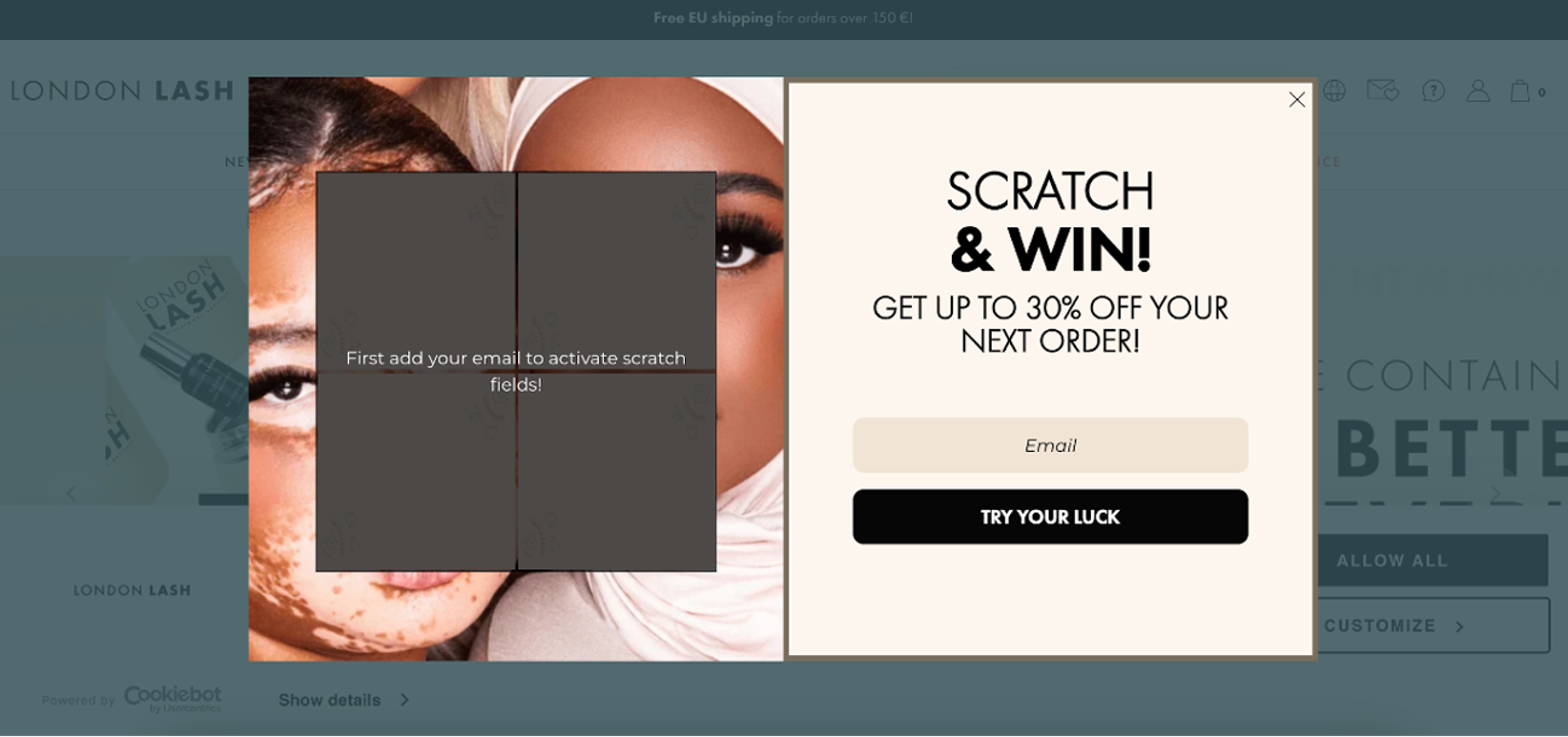
These methods are effective because they engage visitors in a playful way, turning the act of providing contact information into an enjoyable experience.
Gamification can significantly increase conversion rates by making the lead generation process feel like a rewarding game rather than a chore.
Offering a content upgrade, such as an ebook, is a classic but highly effective lead generation tactic.
For example, The Turmeric Co. offers a free “Turmeric Recipe Book” in exchange for an email. This strategy works well because it provides immediate value to the user, encouraging them to opt-in for more content.
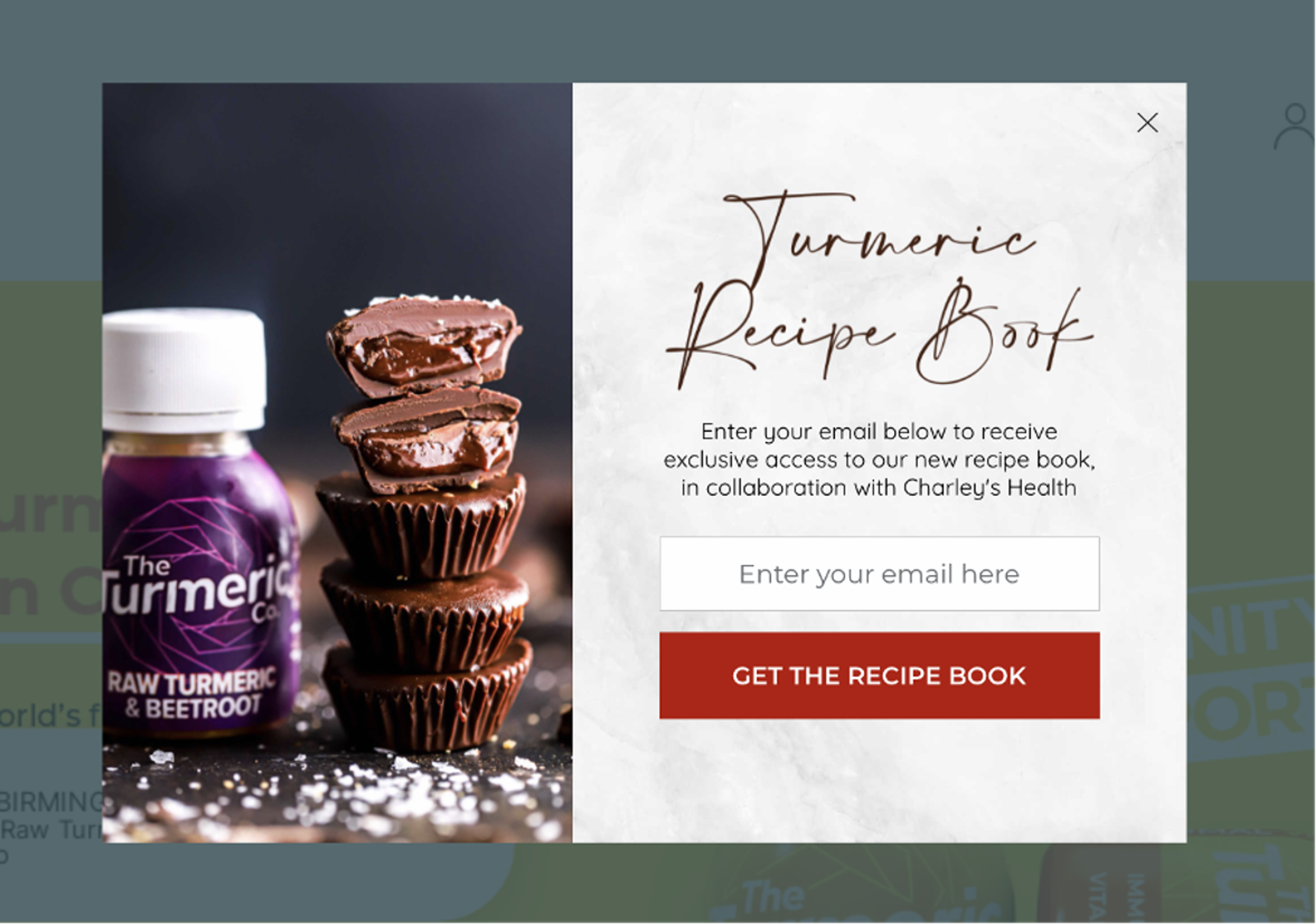
Understanding your target audience is crucial when offering content upgrades, as it ensures the content is relevant and valuable to them.
This method is particularly effective for industries where education and content consumption are key to the buying process.
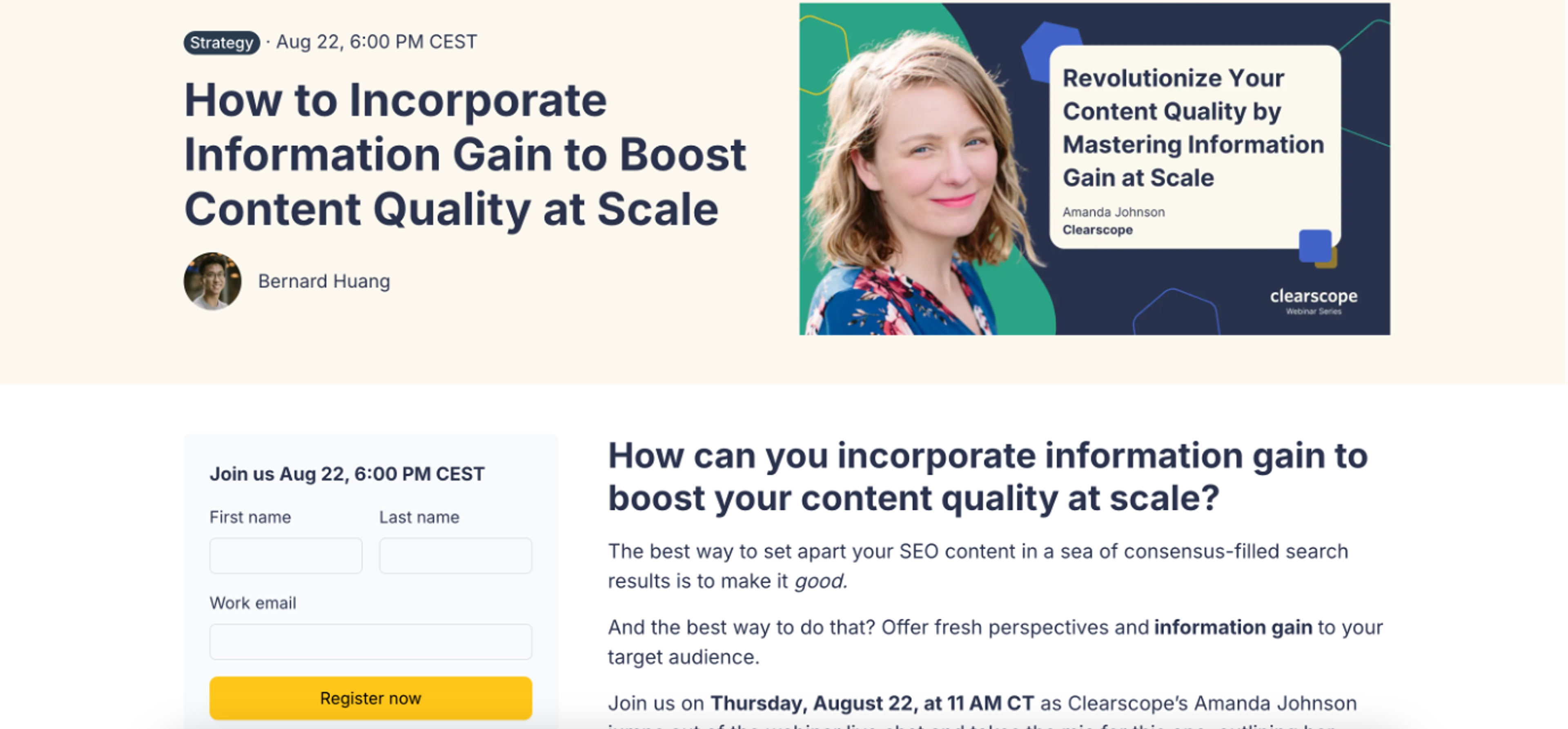
Webinars are a goldmine for lead generation, particularly in B2B markets.
Hosting a webinar on a relevant topic not only positions your brand as an authority but also attracts engaged leads who are genuinely interested in your content.
Webinars offer the opportunity to interact with your audience in real-time, answer their questions, and provide in-depth knowledge. This interactive experience helps build a deeper connection with your audience, making them more likely to trust your brand and consider your products or services.
Social media isn’t just for brand awareness; it’s also a powerful tool for lead generation. By using lead generation ads on platforms like Facebook or Instagram, you can capture leads directly within the platform without requiring them to leave the app.
For example, Facebook’s lead ads allow users to sign up for offers or newsletters without ever leaving their newsfeed. This reduces friction and can significantly increase your conversion rate, as it streamlines the process and keeps users within the platform they’re already engaged with.
Social media platforms also offer sophisticated targeting options, allowing you to reach specific audiences with tailored messages.
Referral programs incentivize your existing customers to bring in new leads by offering rewards for successful referrals.
This strategy taps into the power of word-of-mouth marketing, where new leads are more likely to convert because they trust the recommendation from someone they know.

Offering a free trial is another excellent way to generate leads, especially for SaaS companies.
By allowing potential customers to experience your product firsthand, you lower the barrier to entry and increase the chances of conversion once they see the value your product provides.
For instance, a software company might offer a 14-day free trial with no credit card required. This approach gives users a risk-free opportunity to explore the features and benefits of the product, making them more likely to convert to paying customers once the trial period ends.
Generating leads involves a combination of strategies designed to attract potential customers and encourage them to express interest in your products or services. Some common lead generation methods include content marketing, search engine optimization, email marketing, and social media marketing. The key is to offer something valuable to your audience in exchange for their contact information, such as their email address.
There are many tools available to help streamline and optimize your lead generation efforts. Here are a few popular ones:
Building an effective lead generation strategy involves several key steps:
Qualified leads are prospects who have shown a strong interest in your products or services and meet specific criteria that indicate they are more likely to become customers. There are typically two types of qualified leads:
These were just a few examples designed to inspire your lead generation campaign, and while they are effective lead gen campaigns, remember that there are numerous other strategies out there.
Whether you’re looking to engage website visitors with a fun quiz, entice them with a mystery discount, or build trust through a webinar, there’s a tactic here that can generate leads for your business.
Remember, the key to an effective lead generation strategy is to offer value in exchange for information. By doing so, you can build a list of engaged prospects who are genuinely interested in what you have to offer.
Try these lead generation strategies, track your results, and don’t be afraid to experiment until you find what works best for your target audience. After all, lead generation is not a one-size-fits-all approach—it’s about finding the right fit for your business and your customers.

In this article, we'll share 30 actionable Black Friday marketing ideas for ecommerce businesses to make 2026 your most successful yet.
Learn about email marketing frequency for ecommerce stores. Most send 1-3 emails per week, with frequency adjusted by subscriber engagement and store type.
Let's take a look at the 21 best lead generation software for 2026 and discuss the features that any lead generation tool should have.