






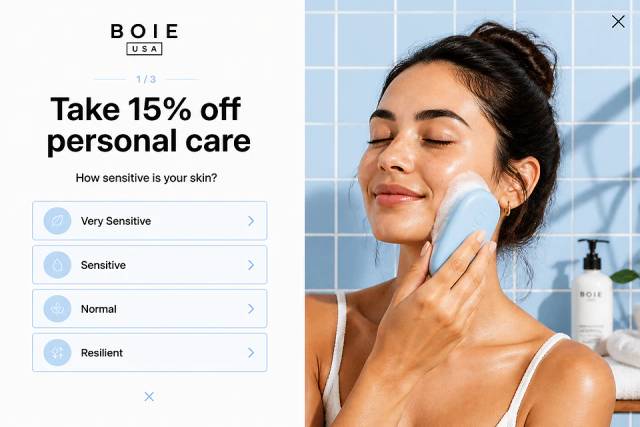
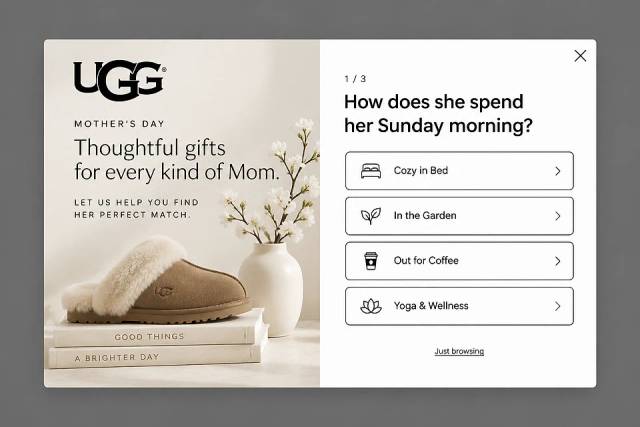
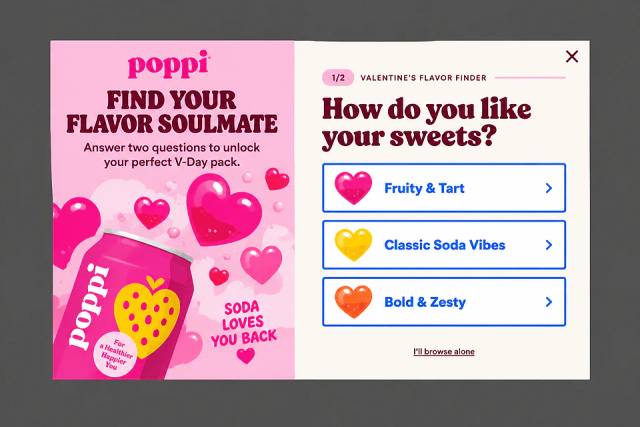

40 Welcome Message Examples for Your Website (Copy and Paste)
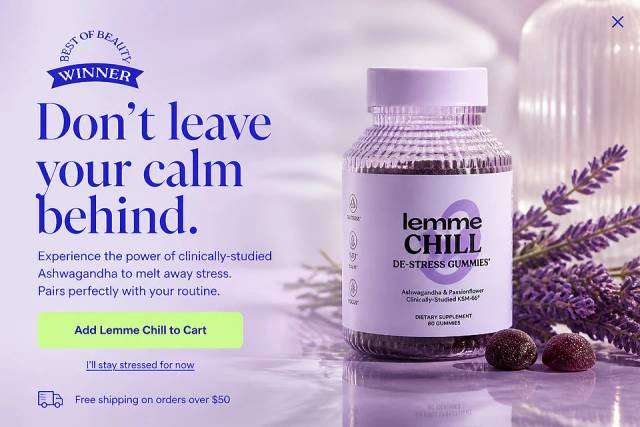
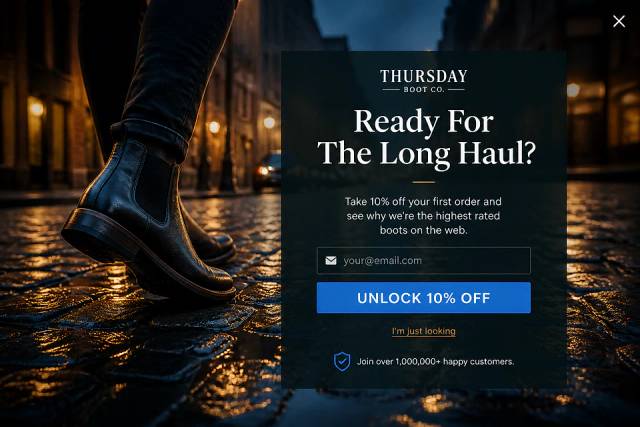
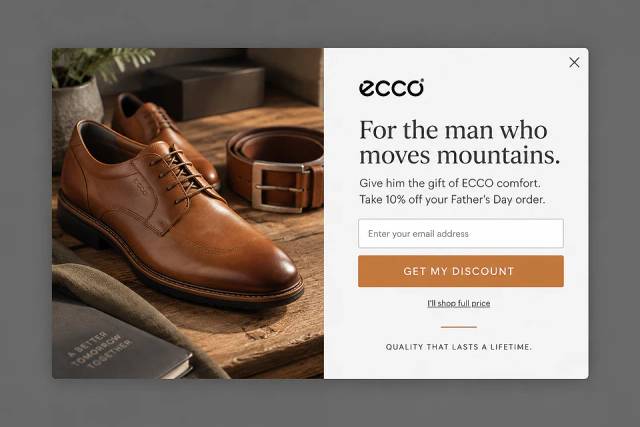
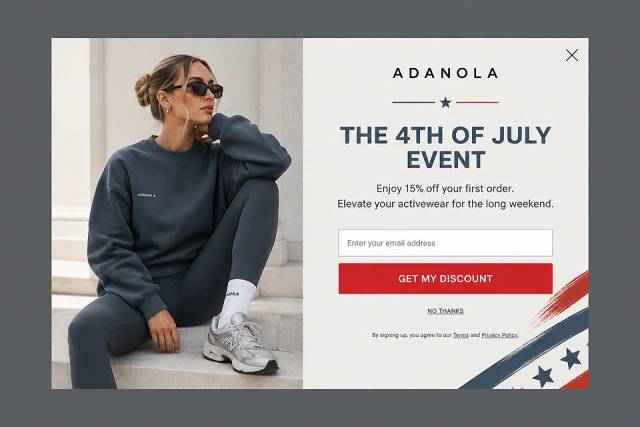
40 website welcome message examples for online stores, grouped by situation and industry, ready to copy into a welcome popup.
In this article, we’ll share 10 simple, yet effective website conversion strategies you can implement in your ecommerce business.
In short
Discover 10 powerful website conversion strategies to boost your ecommerce business. From personalizing user experiences to A/B testing landing pages, these tactics enhance conversion rates, leading to increased revenue and customer loyalty. Learn how optimizing your site can improve user engagement and ROI, making your digital marketing efforts more effective and profitable.
Spending all the time, money, and effort that it takes to create an ecommerce website, and then watching it fail to convert is a horrible feeling.
If you’re in this situation, you’re probably looking for solutions to unlock the full potential of your website visitors.
In this article, we’ll explore 10 effective conversion marketing strategies that can help you convert more website visitors into loyal customers.
From optimizing your headlines to implementing website personalization, each of these conversion optimization tactics will help with your business growth.
Let’s dive in!
A website's conversion rate is a key metric of how well it’s functioning.
Let's break down a few of the most important ways your conversion rate affects your business:
When you gain a better understanding of how important your conversion rate is to the health of both your marketing funnel and your business as a whole, you can start to prioritize optimizing your website for more conversions.
As we'll see in the next section, making the necessary adjustments isn't difficult, and it can have a beneficial effect on the entire customer journey.
Here are ten of the best website conversion rate optimization strategies if you want to get the most out of your digital marketing campaigns.
You can improve your international visitors’ user experience and conversion rate by welcoming them with a personalized message.
Mentioning the name of a user's country can create a memorable experience and make them feel seen and valued.
Here's an example from Kiss My Keto. This is what a generic welcome popup looks like...

...and this is what a geo-specific popup looks like:

With OptiMonk, you can target popups by country, so visitors from each market see a version written for them, without involving a developer.
Delivering a personalized experience to returning visitors encourages them to become repeat customers.
You should use all the data you have about them to boost conversions, including greeting them by name and presenting tailored recommendations. These welcoming gestures can foster a stronger connection to your brand and drive repeat purchases.
In the example below from MindfulSouls, you can see this strategy at play.

Another attention-grabbing way to enhance the user experience for returning users is by showing them the products they were previously viewing as personalized recommendations.
By allowing them to easily pick up where they left off, you'll be making the customer journey more seamless and efficient. And that means implementing this strategy can significantly improve the chances of a successful conversion.
Vegetology uses a sidemessage to show their customers the products they viewed on their last visit.

Try these popup ideas to welcome returning visitors back to your store:
A/B testing is a crucial step of any digital marketing strategy. It can help achieve a higher conversion rate by identifying the most effective elements.
When it comes to improving the conversion rate of your landing pages, you should test out multiple versions of your value proposition to find the right one.
Having a clearly-defined unique selling proposition that resonates with your target audience is a crucial part of the conversion process. By A/B testing different value propositions, you can identify the most effective headlines and make data-backed decisions.
Here’s BlendJet testing out two different versions of their value proposition on their landing page.

One popular marketing strategy for boosting conversion rates is using limited-time discounts.
Offering deals that are only available for a certain period creates a sense of urgency that encourages your users to buy now rather than later.
Adding a countdown timer to your campaigns is a highly-effective way of increasing urgency and generating more conversions.
Here's a great example of this optimization strategy, with a countdown placed right on the page:

Want to increase urgency? You can get started with one of these popup ideas:
In ecommerce, it's especially important for your new customers to see social proof because they probably haven't seen your products in real life. When real customers attest to the quality and durability of your products, it addresses many natural concerns that people have before making a first purchase.
You can increase conversions by showing customer testimonials, case studies, trust badges, or product reviews. Using positive comments from your social media pages is also a good idea.
In the example below from American Eagle Outfitters, you can see a customer review on a product page:
Here’s a great example of this optimization strategy:

Asking for feedback from your users is a great way to understand where you need to make improvements to your site.
And when you make it convenient for them to share their thoughts or entice them with an incentive, they’re more likely to help you out!
Try these popup ideas if you want to collect feedback:
Not only does improving your page speed lead to a better user experience and more conversions, but it also helps you rise in the ranks of search engines.
Google and other search platforms analyze load speeds of the pages they index and prioritize pages that load quickly.
Use PageSpeed Insights by Google to check your own page speed.
Today, mobile devices are so important to people’s everyday routines that not optimizing your marketing strategy for mobile users is a serious error.
Make sure that your ecommerce site is mobile friendly by ensuring that it's easy to browse, and that the images and content are optimized.
One reason for low conversion rates is that customers aren't sure how to navigate your site.
If people are confused about what the next step they should take is, they may get frustrated and simply. Make sure your site is simple, clean, and easy to navigate.
Now that you have some effective tactics, let’s look at the tools you can use to implement them!
Start by checking out the 5 tools below, which can help you convert more leads into paying customers.
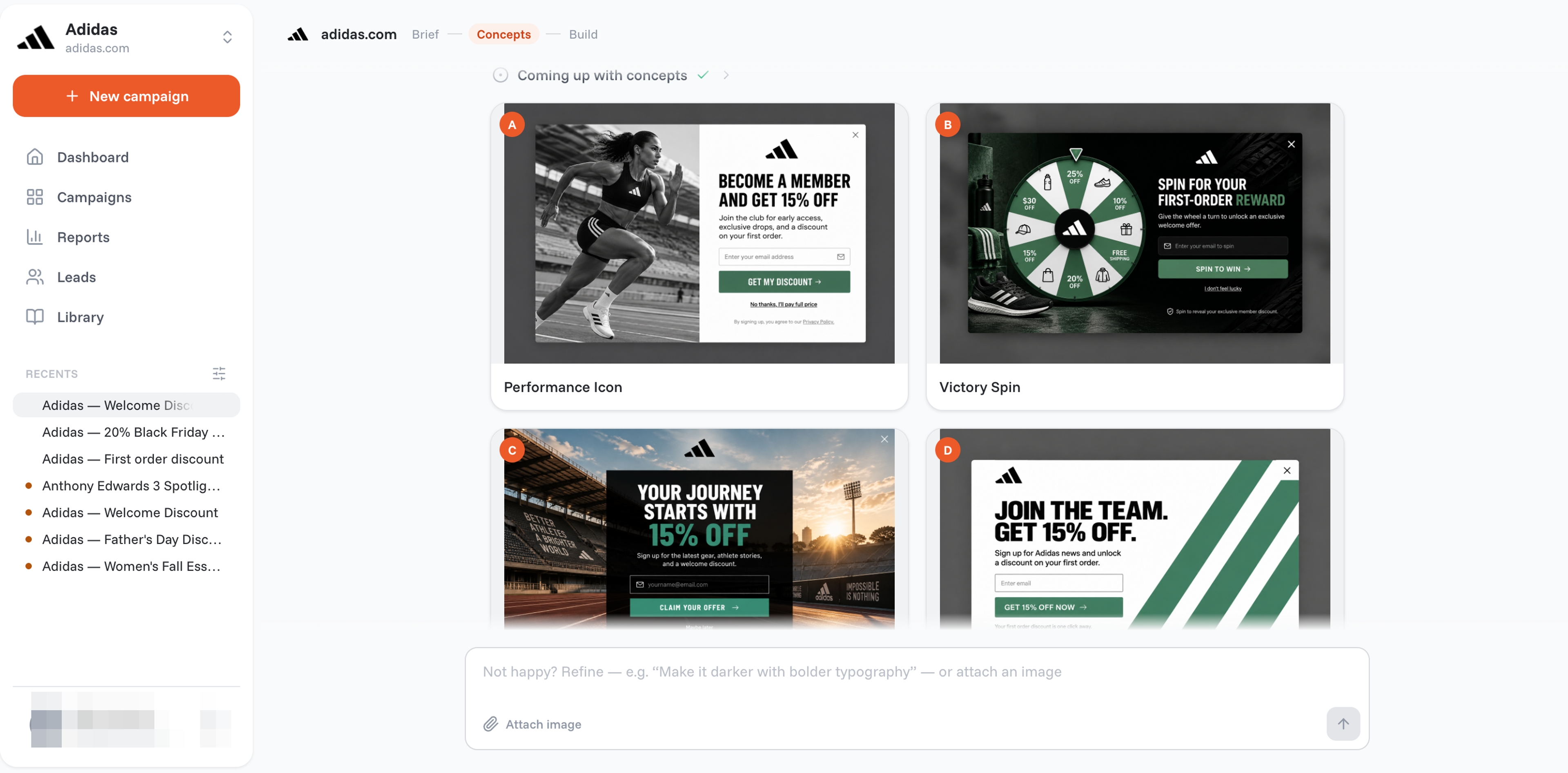
OptiMonk is an agentic popup builder: you describe the popup you want, and the AI agent designs it on brand, writes the copy and builds a mobile version.
It enables ecommerce sites to show the right message to the right visitor at the right time, helping you capture more leads, reduce cart abandonment, and ultimately drive more conversions.
Key feature #1: An AI agent that designs your popups
OptiMonk is a pioneer in AI-powered popup building. Today you just describe the popup you want, and the agent draws four on-brand concepts in about a minute. Need to make changes? Just ask the agent in plain language.
Revenue analytics give you a clear picture of how much revenue each campaign influences, taking the guesswork out of optimization.
Key feature #2: A/B testing
Tracking the performance of your campaigns is an essential part of improving your conversion metrics.
Test copy, offers, whole designs or different campaign types against each other, with a holdout group that sees no popup. The agent suggests what to test next, and tests end themselves once there's a clear winner.
Key feature #3: Precise targeting
Show each popup only to the visitors it's meant for: target by country, traffic source, pages visited, cart value, Klaviyo segments, or whether it's someone's first visit.
Additional benefits:
Create a free OptiMonk account now!

As an A/B testing tool, Optimizely provides businesses with the means to optimize their websites and achieve maximum performance.
Optimizely's user-friendly interface and robust features allow you to design, launch, and analyze campaigns with very little effort. Then, once the data comes in, you can use their powerful analytics and optimization capabilities to optimize your conversion funnel.

Hotjar is a tool that creates heatmaps and session recordings for ecommerce businesses, allowing them to gain valuable insights into site performance and user behavior.
With Hotjar, a business can track all the aspects of user interaction with their site: every click, scroll, and action.

Hubspot is a powerful tool that allows you to automate almost every aspect of your digital marketing, from website personalization to email marketing. It can also take a lot of the pressure off both your sales team and customer service team.
HubSpot has dedicated tools that can help you convert leads and close customers, including tools for website building and optimization, lead capture, lead nurturing, and analytics.

Unbounce is a popular landing page creation tool that’s well known for its ease of use. Conversion marketing is easy when you can make effective landing pages without ever needing to write a line of code!
Unbounce has an intuitive drag-and-drop interface, as well as features that can help you optimize your landing pages and generate more leads and sales.
Now, let's break down the process of building a conversion marketing strategy for your website.
The first step is to understand who your potential customers are and develop an ideal customer profile. You’ll want to figure out what motivates your ideal customer, as well as what their pain points are and the best way(s) to communicate with them.
For instance, if your target audience is men and women over 65, you won’t want to use internet slang in your messaging. If you're serving a younger generation, on the other hand, you probably will.
Another essential part of your conversion marketing strategy is knowing what goals you're going to pursue.
Understanding your current average conversion rate is crucial when setting these goals, as it helps you define realistic and achievable targets.
Sure, you could simply say you want to make more sales, but there are several other goals you could have, like increasing your average order value, increasing the number of website visitors, or improving customer loyalty.
Often, one of these goals will be equally important for an ecommerce site.
After you set your goals, you'll want to take steps to improve conversions at relevant junctures of your sales journey.
You should go over the tips above and apply those that make a difference to your goal. For example, you can use time-limited discounts to boost your lead generation efforts.
Once you start implementing your conversion marketing solutions, you should start using analytics tools like Google Analytics and OptiMonk's analytics system to evaluate your results.
These tools can reveal where your audience is coming from and how well they’re converting, which brings us to the next step...
Your data will have clearly shown you which digital marketing channels your target audience is coming from. You should focus on the channels that are sending you traffic that converts very well.
For instance, if customers coming from your social media platforms have a much higher average order value than other channels, you should send them targeted messages when they land on your website.
As an ecommerce business, you should always be developing content that engages, educates, and builds trust within your target audience.
Great content like an ebook, a guide, or video series will eventually lead to conversions.
Similarly, you should continuously test and iterate your conversion marketing strategies. Although you might be happy with one of your conversion marketing solutions, there's always a chance that you could improve it even more.
Conversion rate optimization is all about using analytics and conversion tracking tools to monitor the success of your campaigns and make data-driven improvements.
A website conversion strategy is a plan that an ecommerce business uses to increase the percentage of users that complete a desired action.
Since there are many different types of conversions in digital marketing, the specific tactics you use in your strategy will differ based on your goals. If you're trying to boost your email marketing list, your strategy might include offering a free ebook in exchange for email signups. On the other hand, your conversion strategy for increasing sales might be offering time-limited discounts.
There's no single threshold for a "good" website conversion rate. This is because expectations for how many conversions you should be generating will depend on several factors, including:
Generally speaking, a conversion rate between 2 and 3% is average, while rates above 5% are outstanding.
Hopefully, you've found some ideas in this article to add to your conversion optimization strategy!
By implementing the tactics we've covered and using the tools recommended above, your marketing team will be able to take your conversion marketing strategy to the next level.
Personalizing your website is one of the most impactful conversion-boosting steps you can take. Sign up for a free OptiMonk account today to start growing your sales and conversions!

40 website welcome message examples for online stores, grouped by situation and industry, ready to copy into a welcome popup.

12 Christmas popup examples for online stores, from welcome offers and spin-to-win wheels to gift quizzes and last-chance countdowns.

In this article, we'll share the best alternatives to Sleeknote that help you to get more leads in 2026.