


40 Welcome Message Examples for Your Website (Copy and Paste)
40 website welcome message examples for online stores, grouped by situation and industry, ready to copy into a welcome popup.
Dive into 6 CRO case studies showing how businesses skyrocketed conversions with clever tactics & tools.
In short
Discover six inspiring conversion rate optimization case studies that showcase how businesses effectively transformed their conversion rates using strategic tools and techniques. Learn actionable insights on A/B testing, leveraging CRO tools like OptiMonk, optimizing product pages, and more to enhance your website's conversion rate and boost revenue.
Every digital marketer’s dream is to turn visitors into customers through various digital marketing strategies.
If you’re nodding in agreement, you’re in the right place. Let’s explore six inspiring conversion rate optimization case studies that showcase how businesses transformed their conversion rates using smart strategies and tools to increase conversions.
Each story is packed with actionable insights from other businesses that you can easily apply to your own website. Let’s jump in!
Vegetology, a health supplement brand, faced the challenge of converting website visitors into paying customers. Despite having a solid product line, their conversion rates were lagging.
They needed a strategic approach to conversion rate optimization.
Vegetology focused on user experience and website optimization, using tools like OptiMonk for personalized popups and A/B testing.
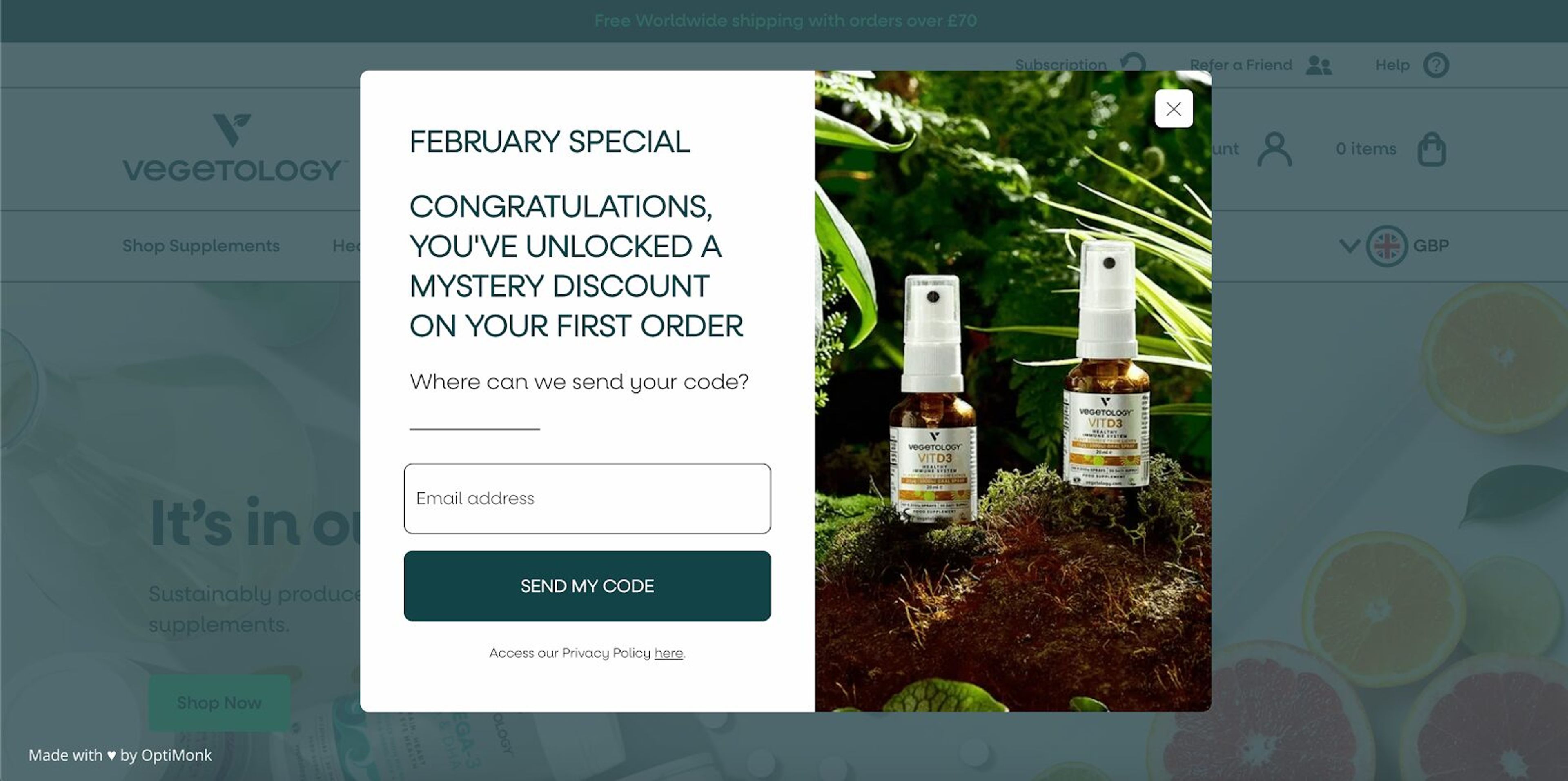
Before, they’d been using a simple popup that offered a 10% discount for sign-ups. They replaced it with a mystery discount popup.
This new approach sparked natural curiosity and added urgency by framing it as a limited-time offer and including the current month.
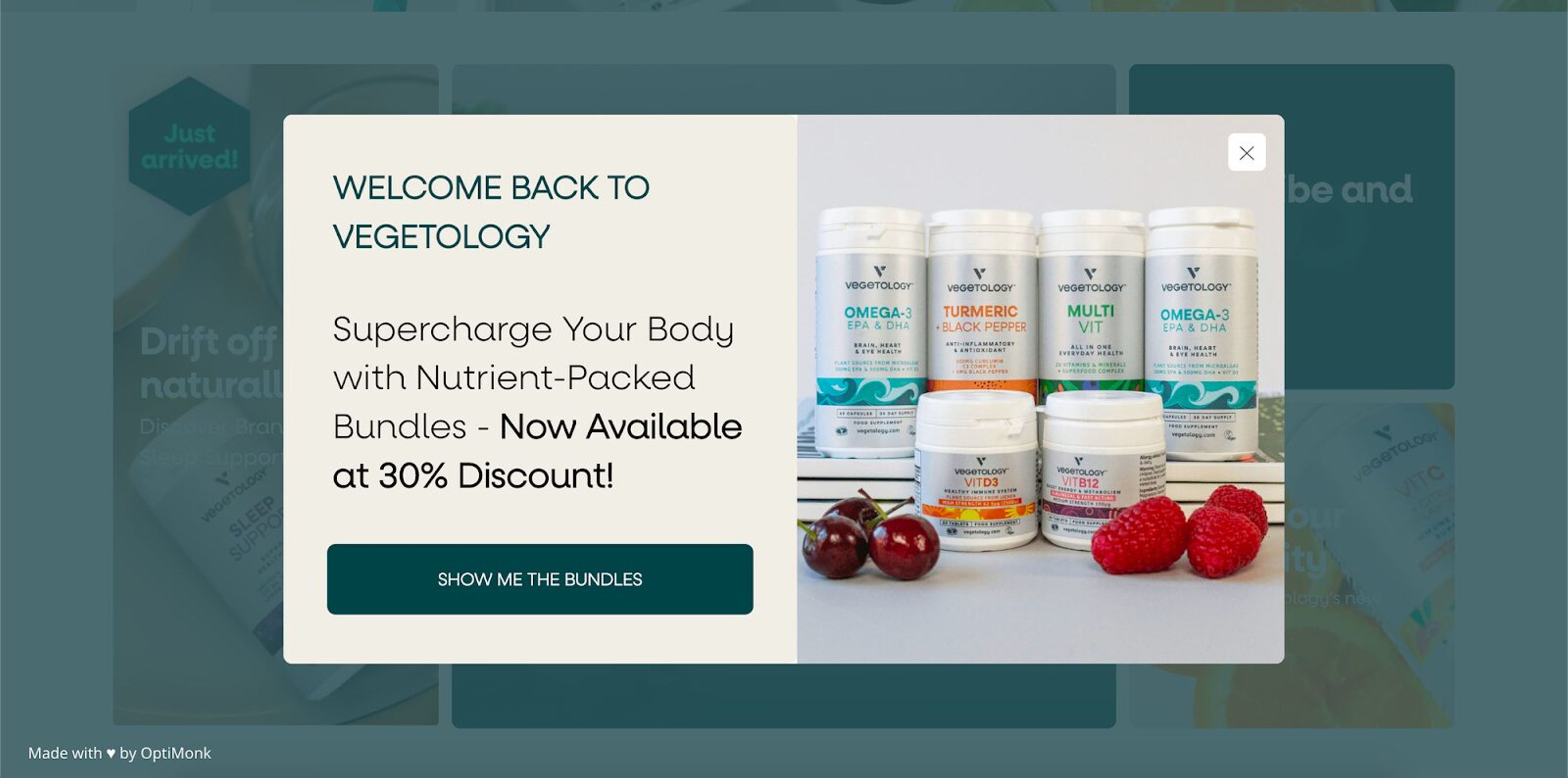
Vegetology also recognized that they were receiving lots of returning visitors, so they offered special discount codes to this segment, further increasing conversions.
Additionally, they revamped their homepage headline, replacing the generic “It’s in our nature” with more engaging alternatives through A/B testing, which resulted in higher conversion rates.

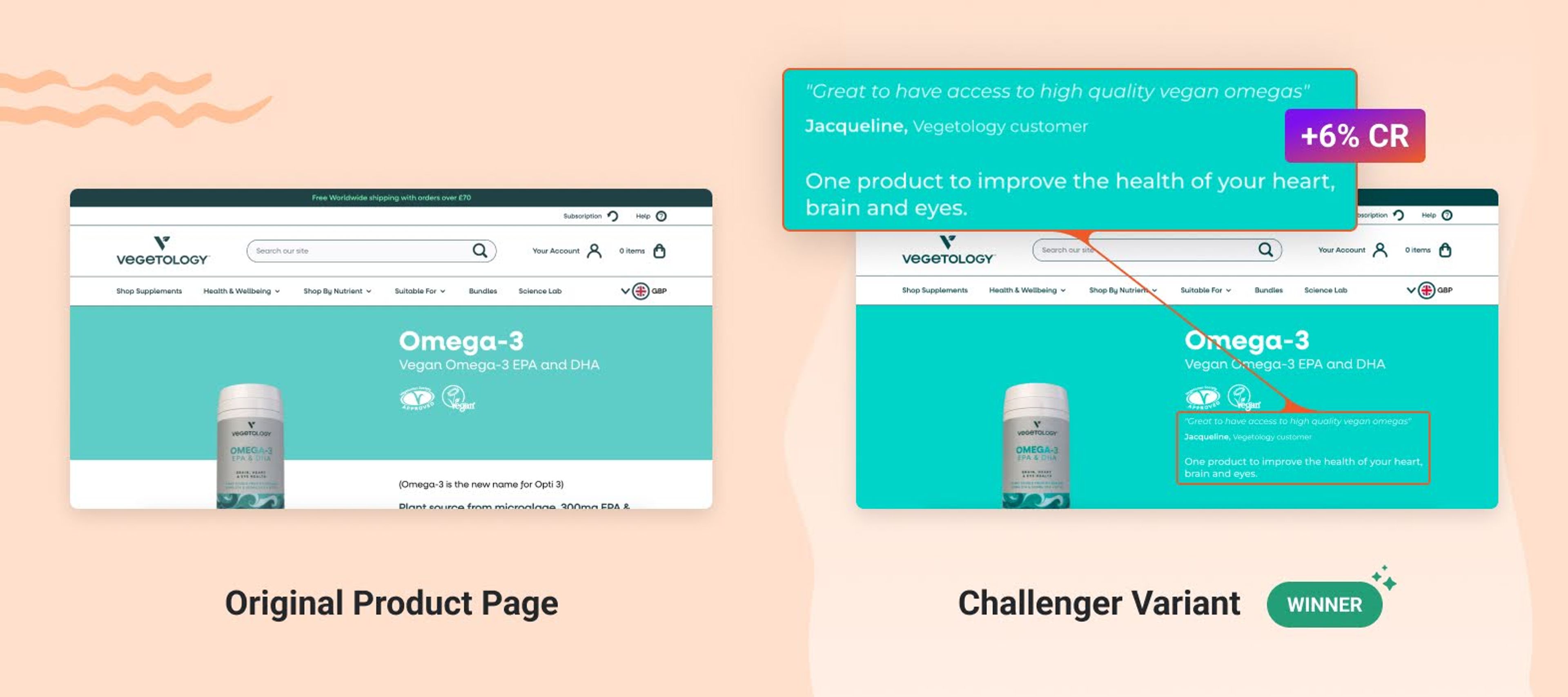
Finally, they improved their product pages by adding short product descriptions and customer testimonials above the fold, achieving a 6% increase in conversion rates.
Impressed by these results? Read Vegetology’s full journey here.
ParfumeLab, a family-owned perfume retailer with over 20 years of experience in the beauty industry, faced a challenge familiar to many ecommerce brands: lots of new visitors were leaving without making a purchase.
They noticed, however, that many of these visitors eventually came back, they just needed a little nudge to convert.
To tackle this, they set up a Browsing Reminder campaign using OptiMonk. When a returning visitor landed on the site, they were greeted with a personalized "Welcome back" message featuring the products they had previously viewed. The reminder appeared 10 seconds after re-entry as a side message, keeping the browsing experience uninterrupted. To add further credibility, they included social proof at the bottom of the popup.
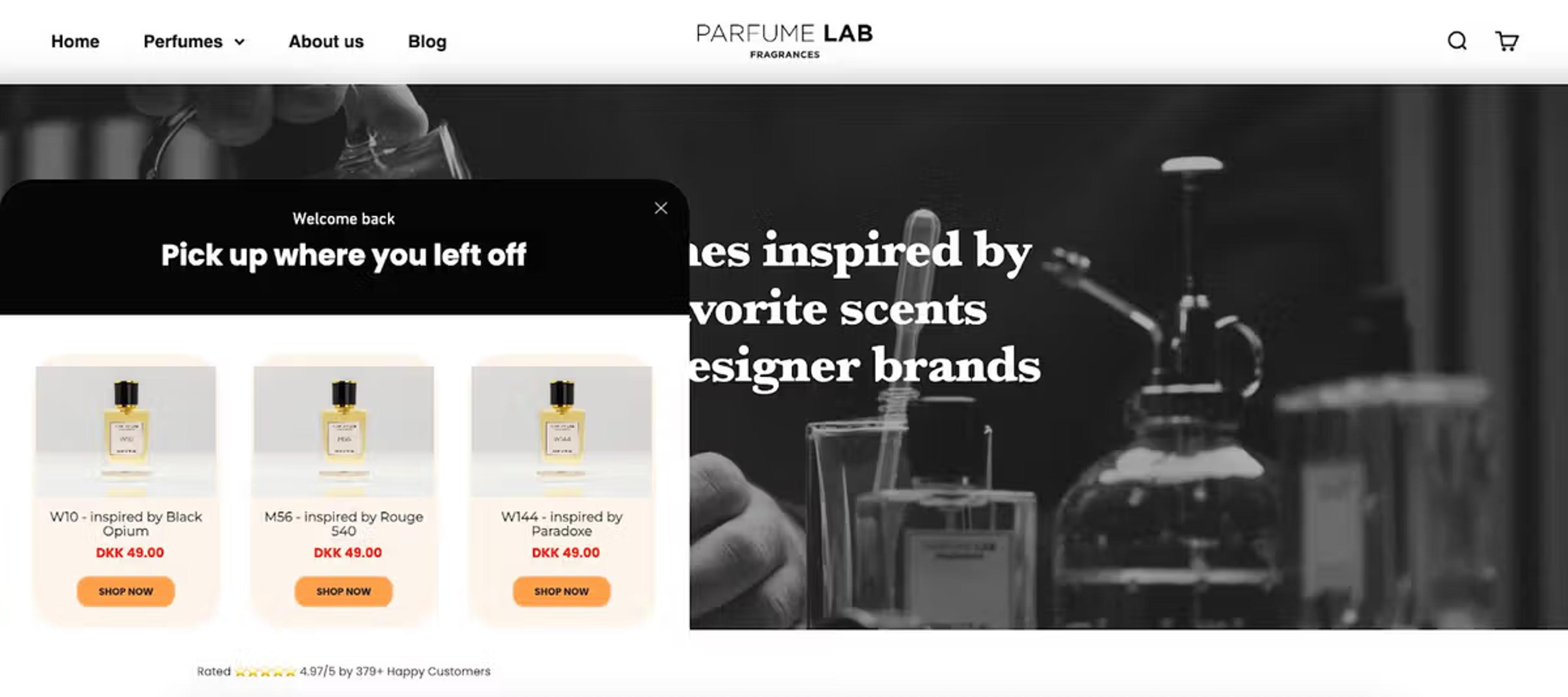
The result? An impressive 19% of returning visitors who saw the reminder went on to make a purchase.
Learn more about how ParfumeLab boosted their conversions here.
Crown & Paw, an ecommerce site specializing in personalized pet portraits, had high traffic but low conversion rates.
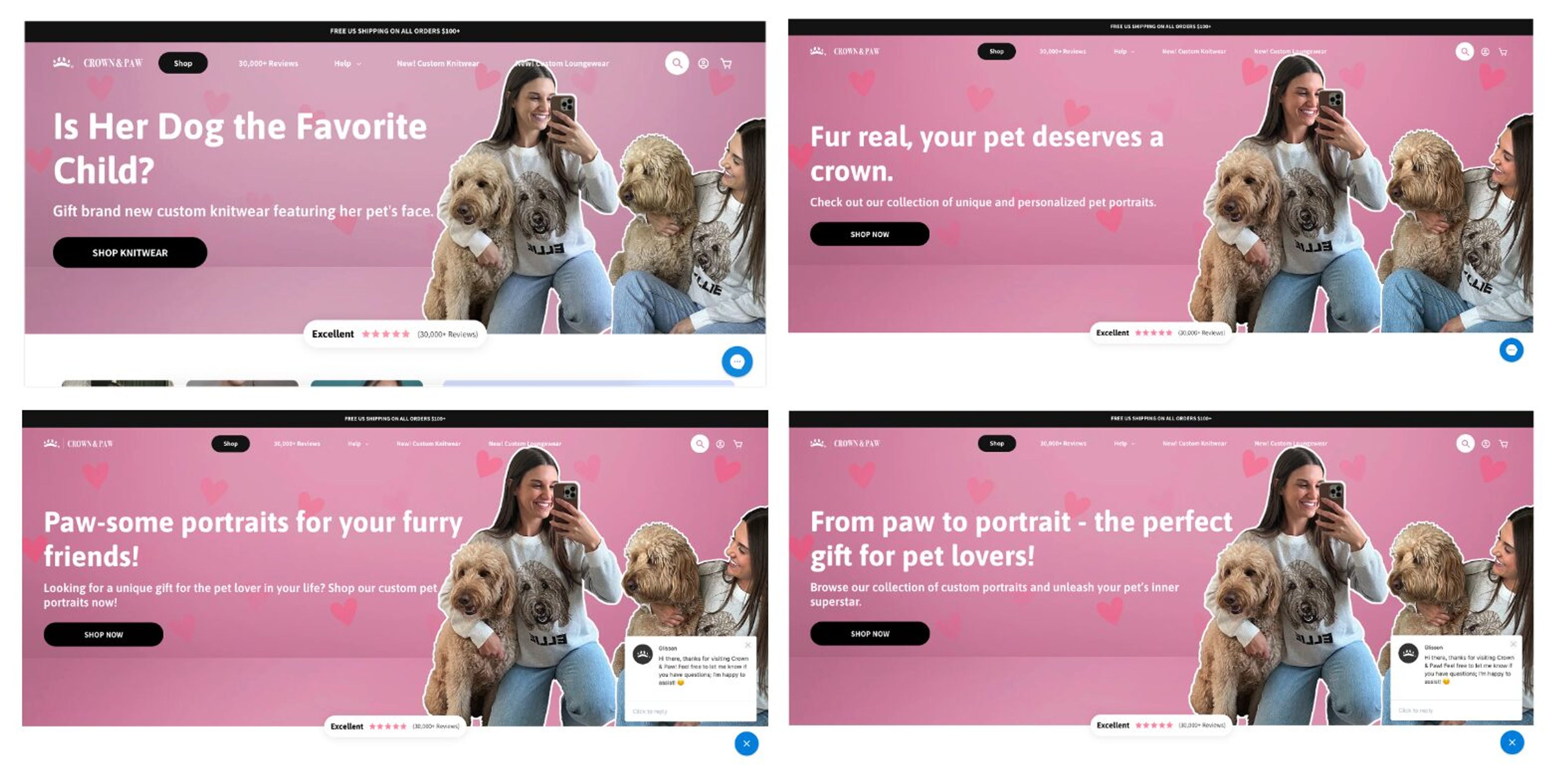
They began by A/B testing their homepage headline to find the most effective message for their audience. This led to a 16% increase in orders.
Recognizing the importance of average order value, they also implemented a Dynamic free shipping bar, which nudged customers to explore further and add more to their cart in order to qualify for free shipping.
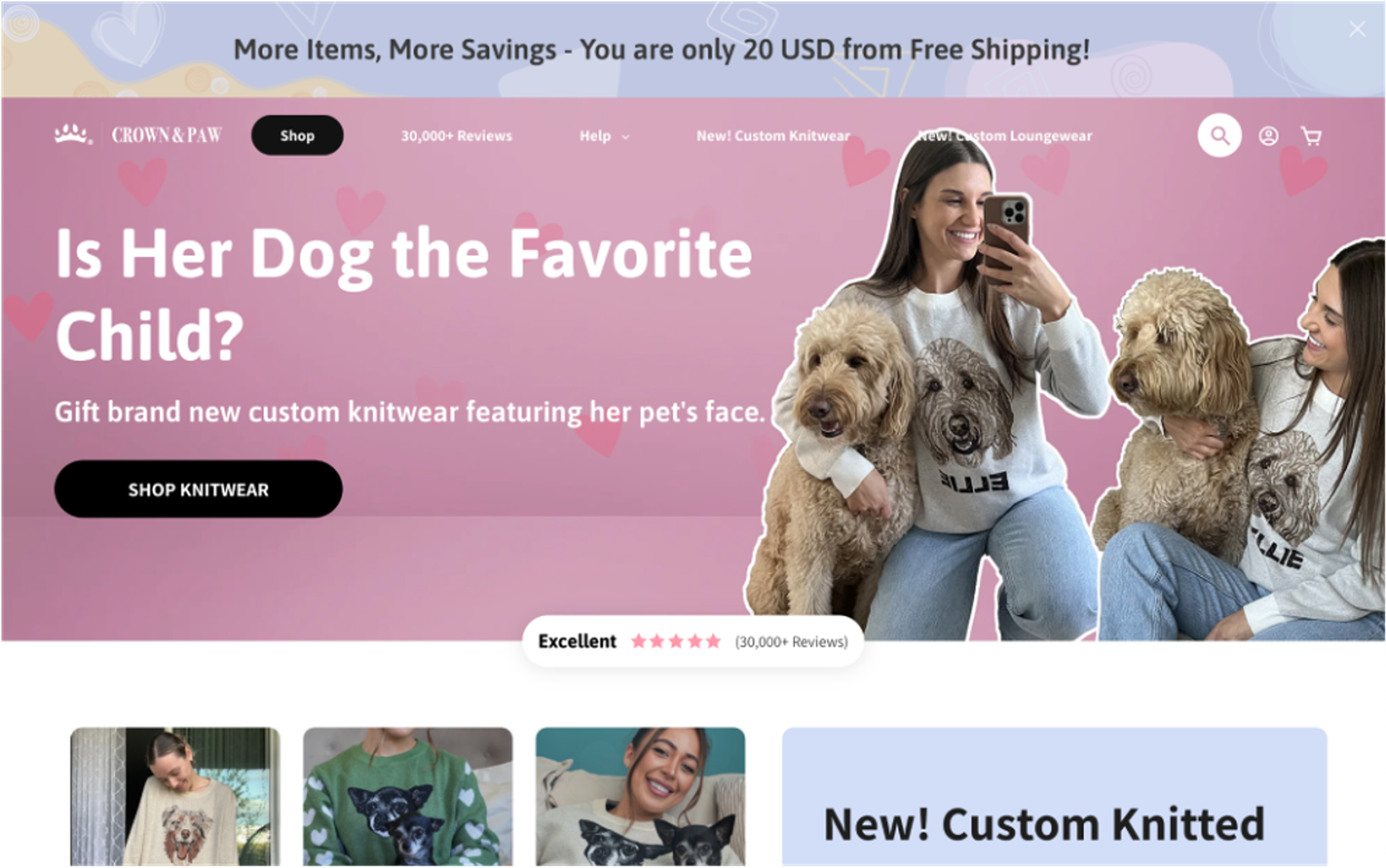
This resulted in a 7% increase in the number of orders and a 10% increase in overall revenue.
Read about their CRO journey here.
Gelpro Australia, a family-owned health supplement brand, was looking to improve their conversion rates after noticing too many visitors were leaving without making a purchase. Their bounce and cart abandonment rates were higher than they wanted.
They turned to OptiMonk to tackle these challenges with a set of targeted, personalized campaigns.
To encourage further exploration, they implemented a Smart Recommender popup that used AI to show personalized product suggestions based on what customers were currently viewing. The popup was set to appear after 15 seconds of browsing to avoid interrupting the shopping experience.
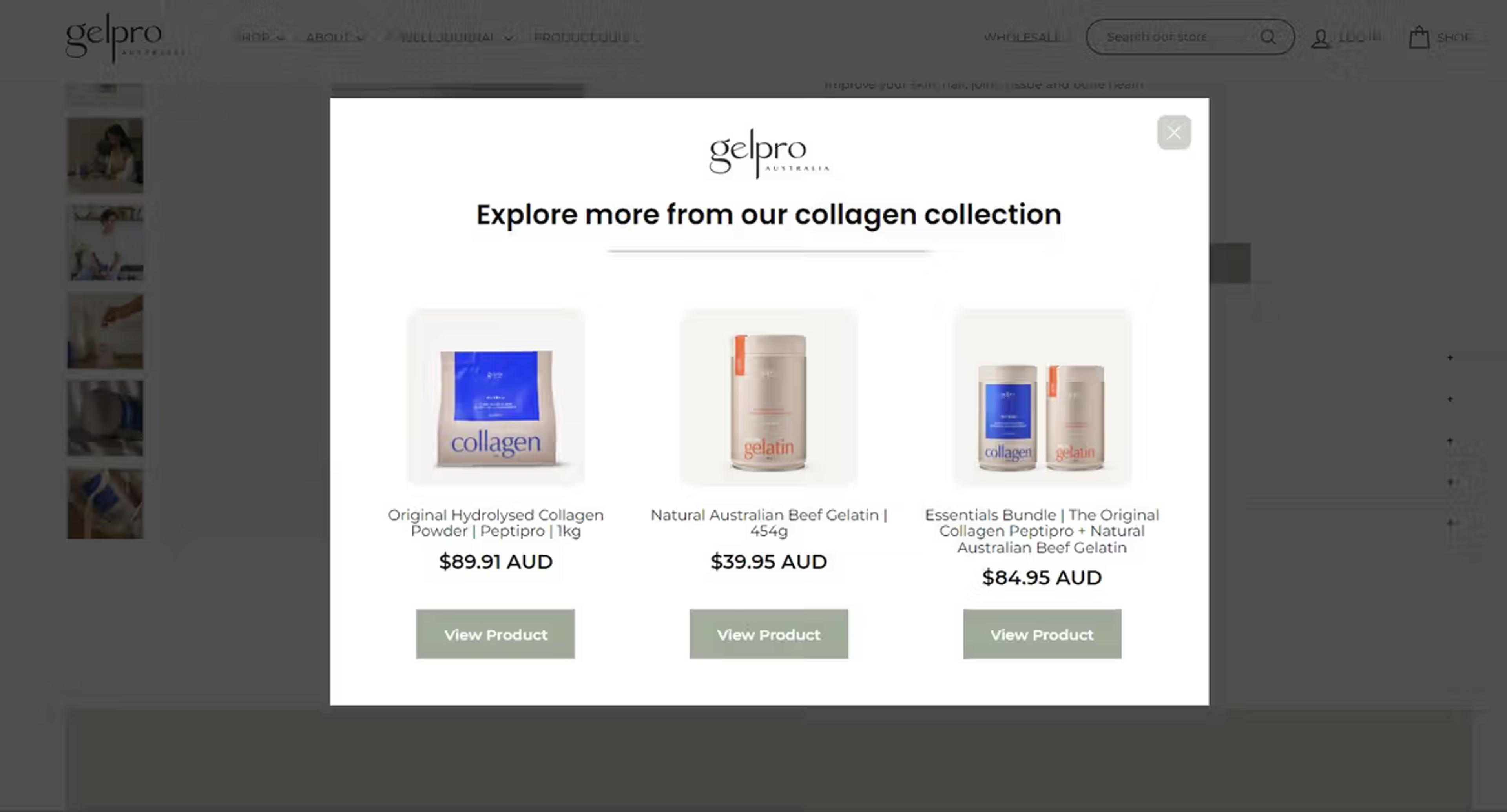
This campaign drove a 27% increase in conversion rates.
To win back returning visitors, they set up Browsing Reminder popups that highlighted products customers had viewed on their previous visit. These appeared just seconds after re-entry.
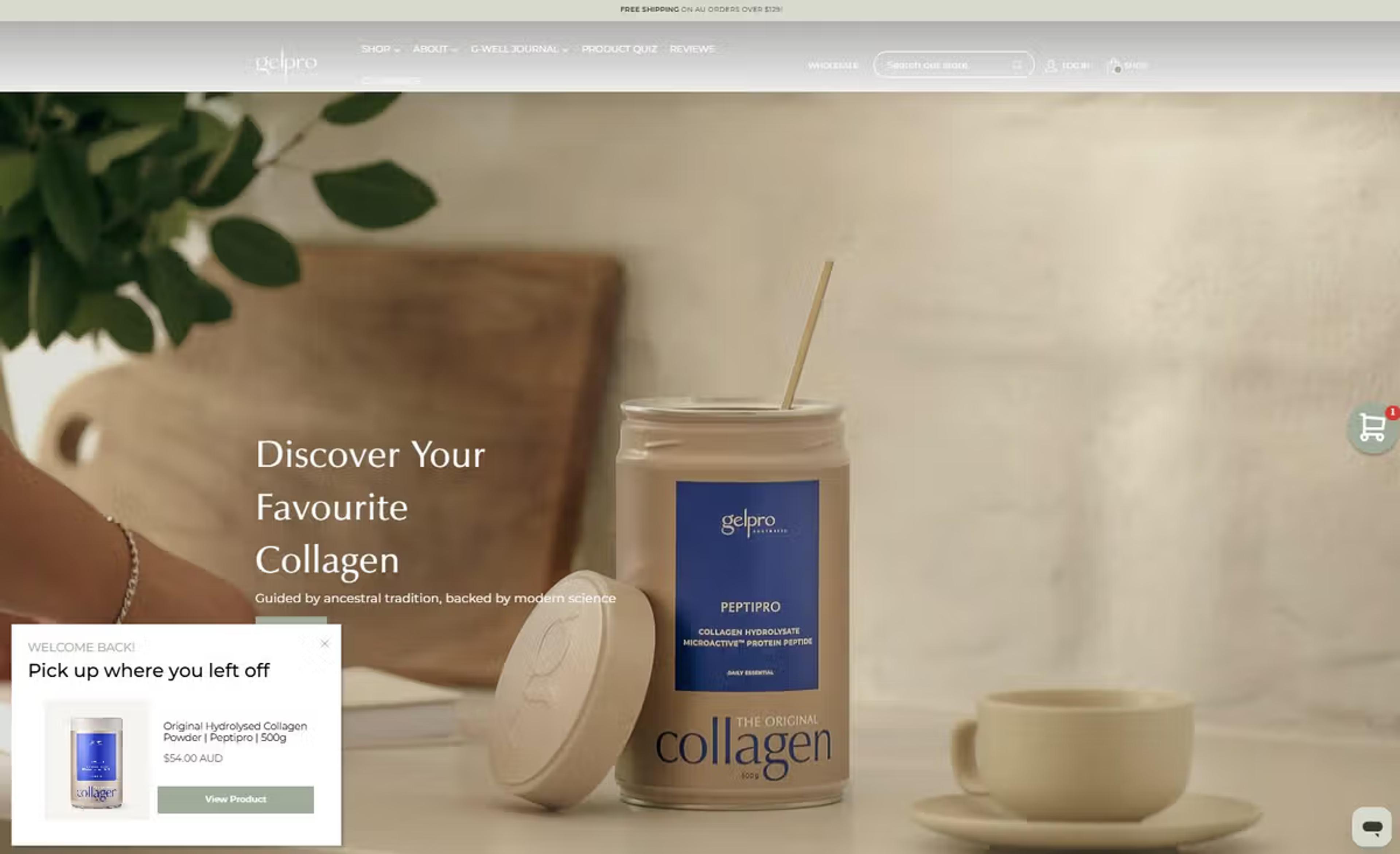
This resulted in a 4% boost in conversions.
Finally, to tackle cart abandonment, they implemented exit-intent popups showing the products visitors had left in their cart.
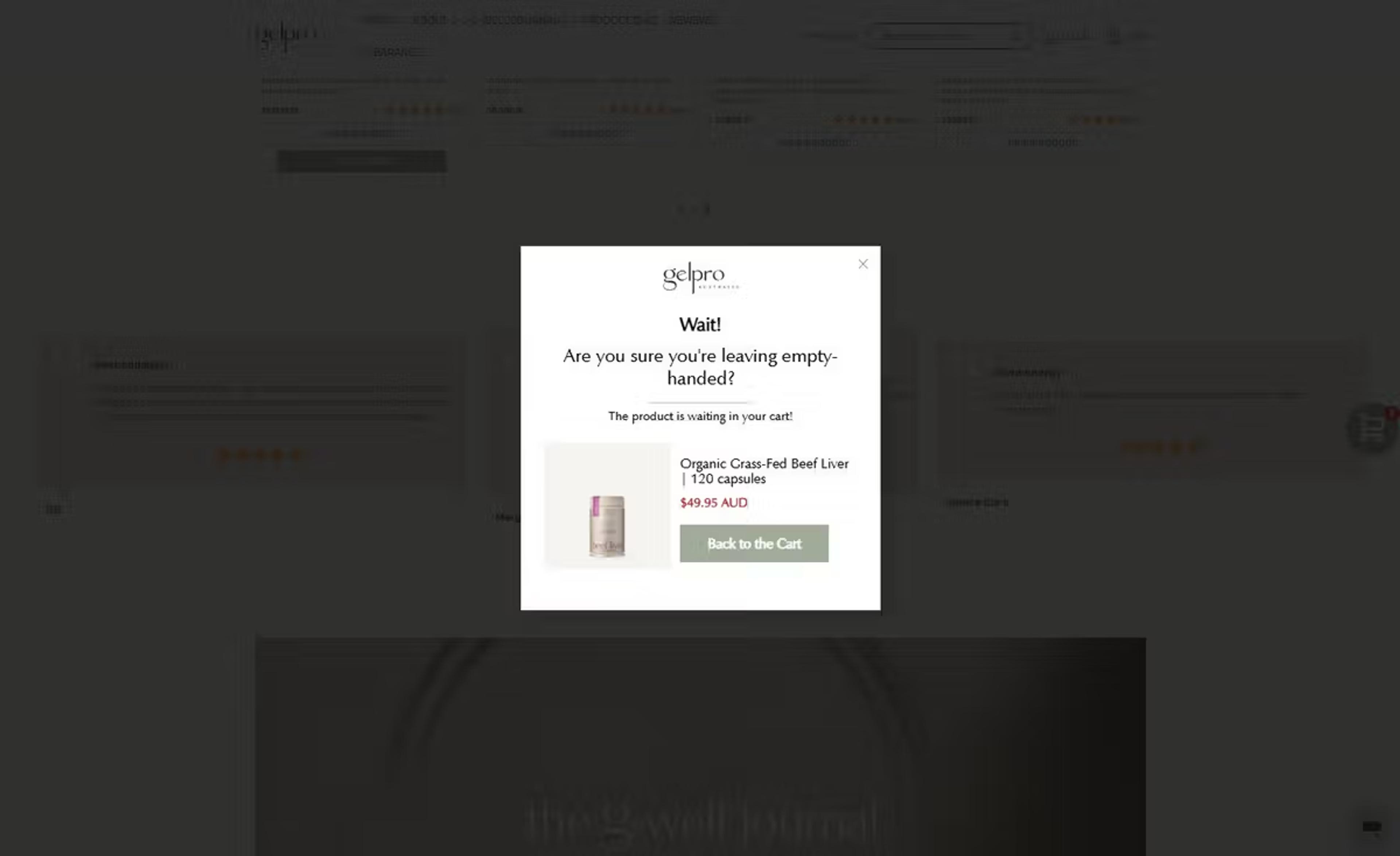
This simple reminder led to a 6% increase in purchases.
Impressed by these results? Read Gelpro's full journey here.
Goldelucks, a bakery specializing in gourmet donuts, needed to enhance their online presence and convert more visitors into buyers. Before turning to conversion rate optimization, they faced high bounce rates and low engagement.
To retain visitors who were about to leave without buying, they implemented Smart Popups with AI-written headlines and tailored product suggestions based on browsing history and preferences.
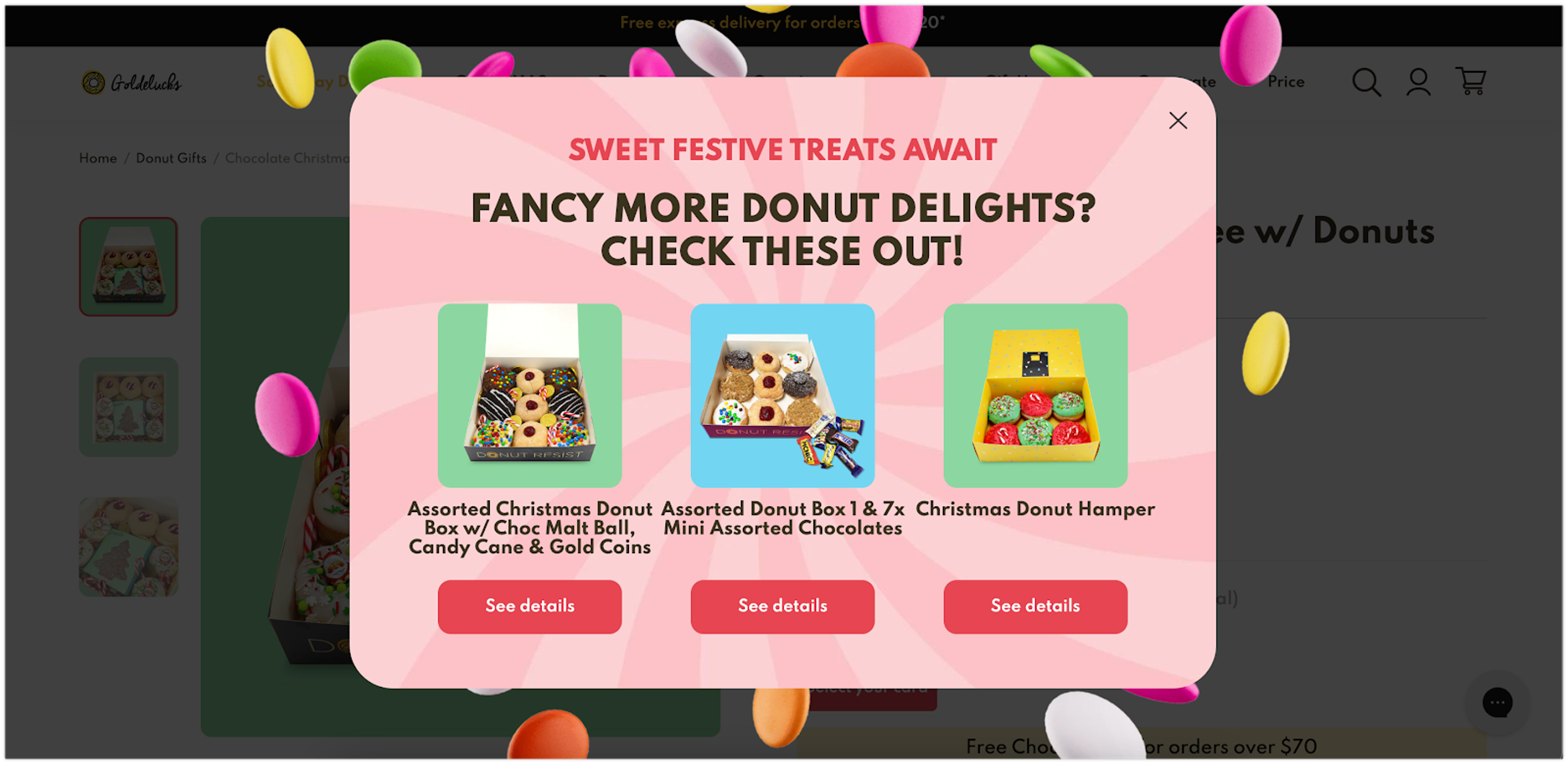
They also placed banners on product pages to provide extra information.
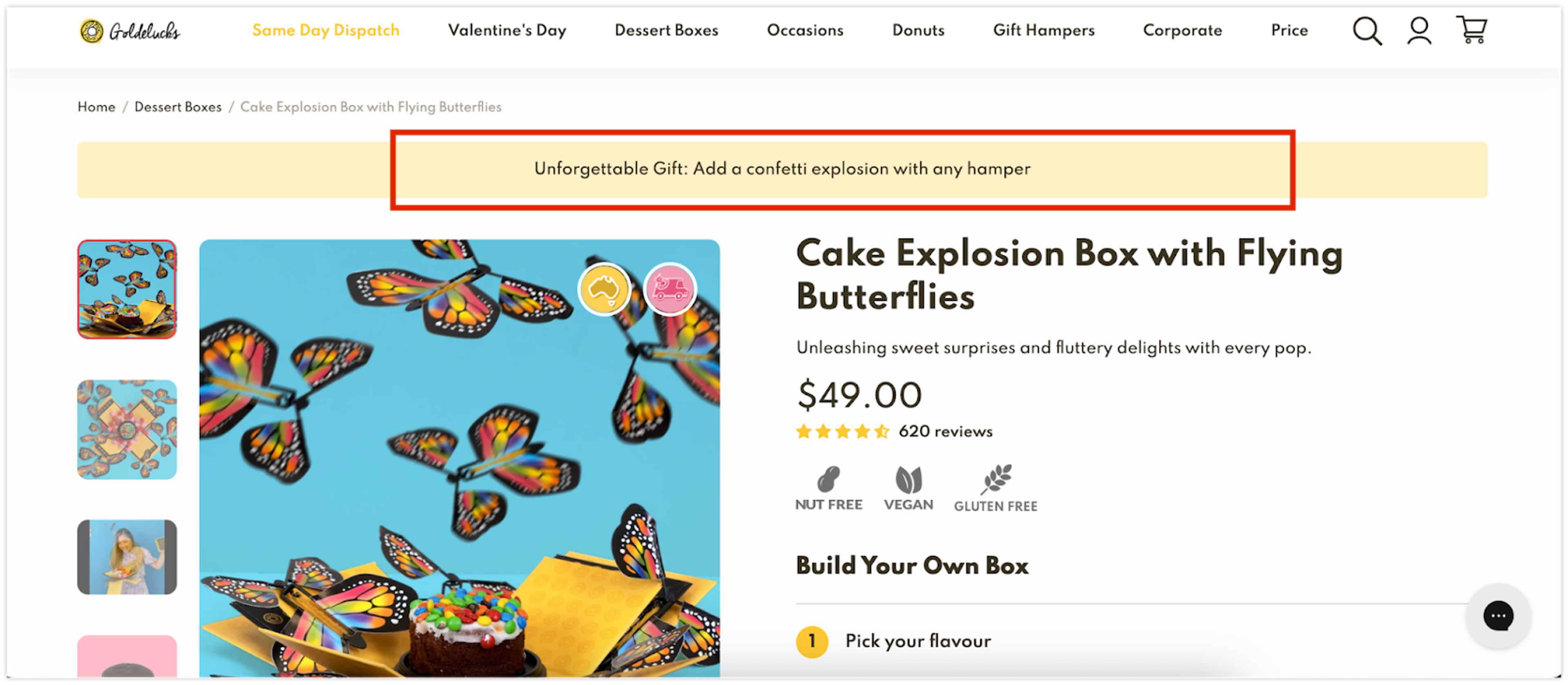
These strategies increased conversion rates significantly, leading to a 31.56% increase in orders, a 66.2% increase in order revenue, and a 12.27% increase in overall orders.
Discover how they achieved these results here.
The last of our conversion rate optimization case studies comes from Bukvybag, an online store selling multifunctional bags.
They faced challenges in conveying their unique value proposition to potential customers, leading to high bounce rates.
They decided against discounting, opting instead to highlight their best-selling products on a popup.
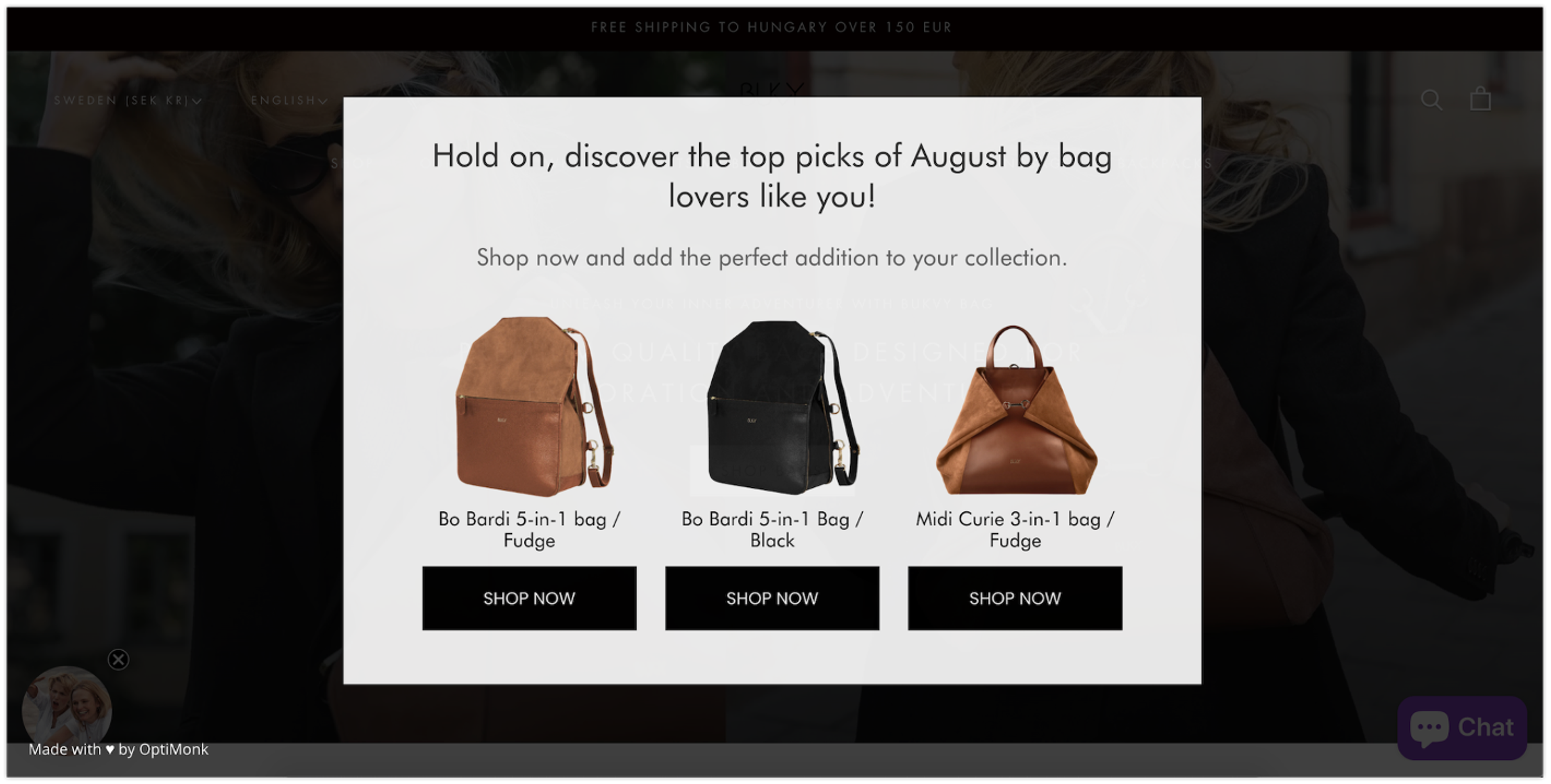
Unexpected shipping costs are a major turn-off, so communicating your free shipping threshold is a great way to increase your average order value.
They displayed a free shipping bar to ensure customers were aware of shipping conditions.
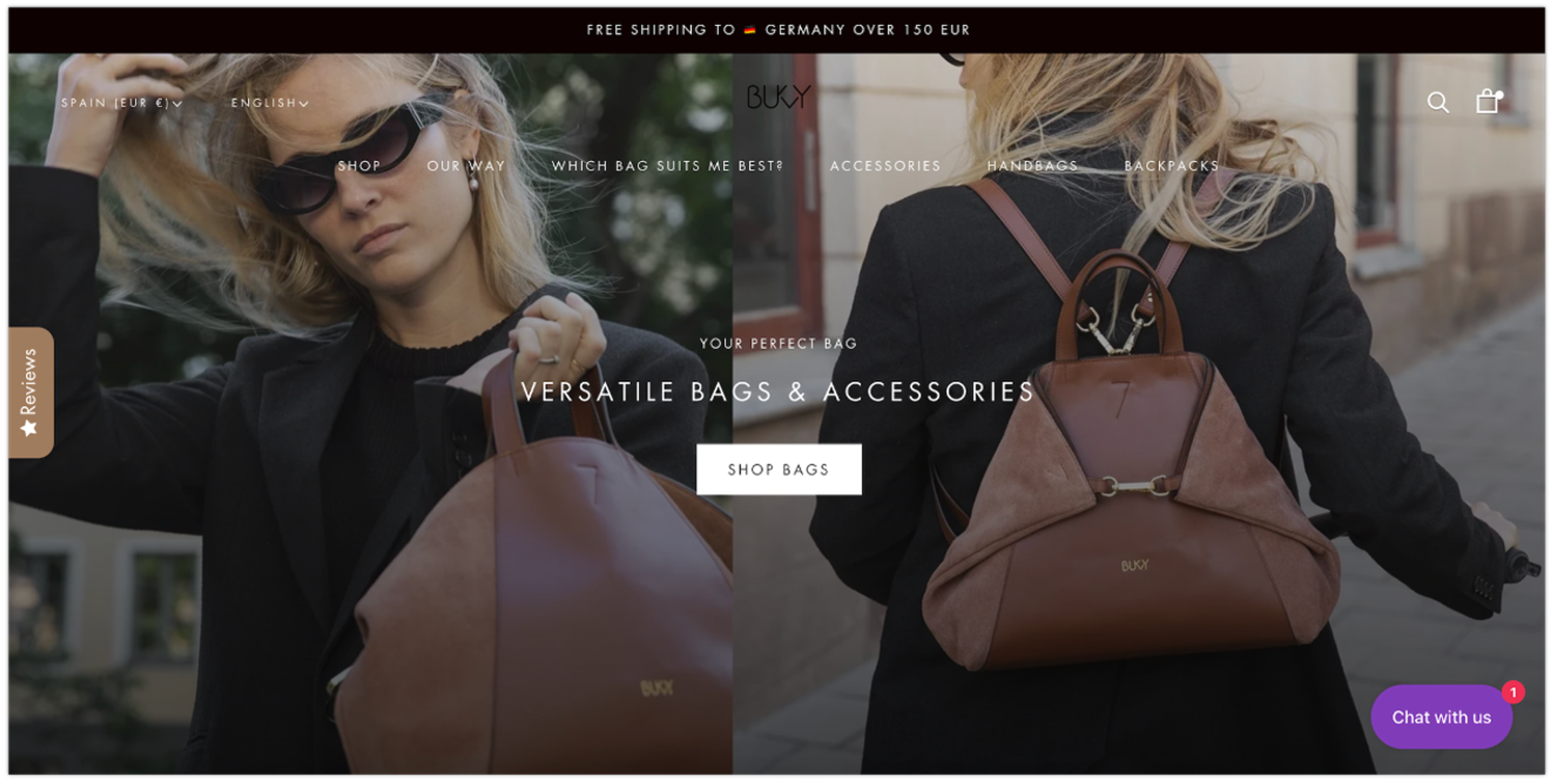
As a final step, they wanted to increase conversions on their homepage. They tested multiple headlines with different value propositions.
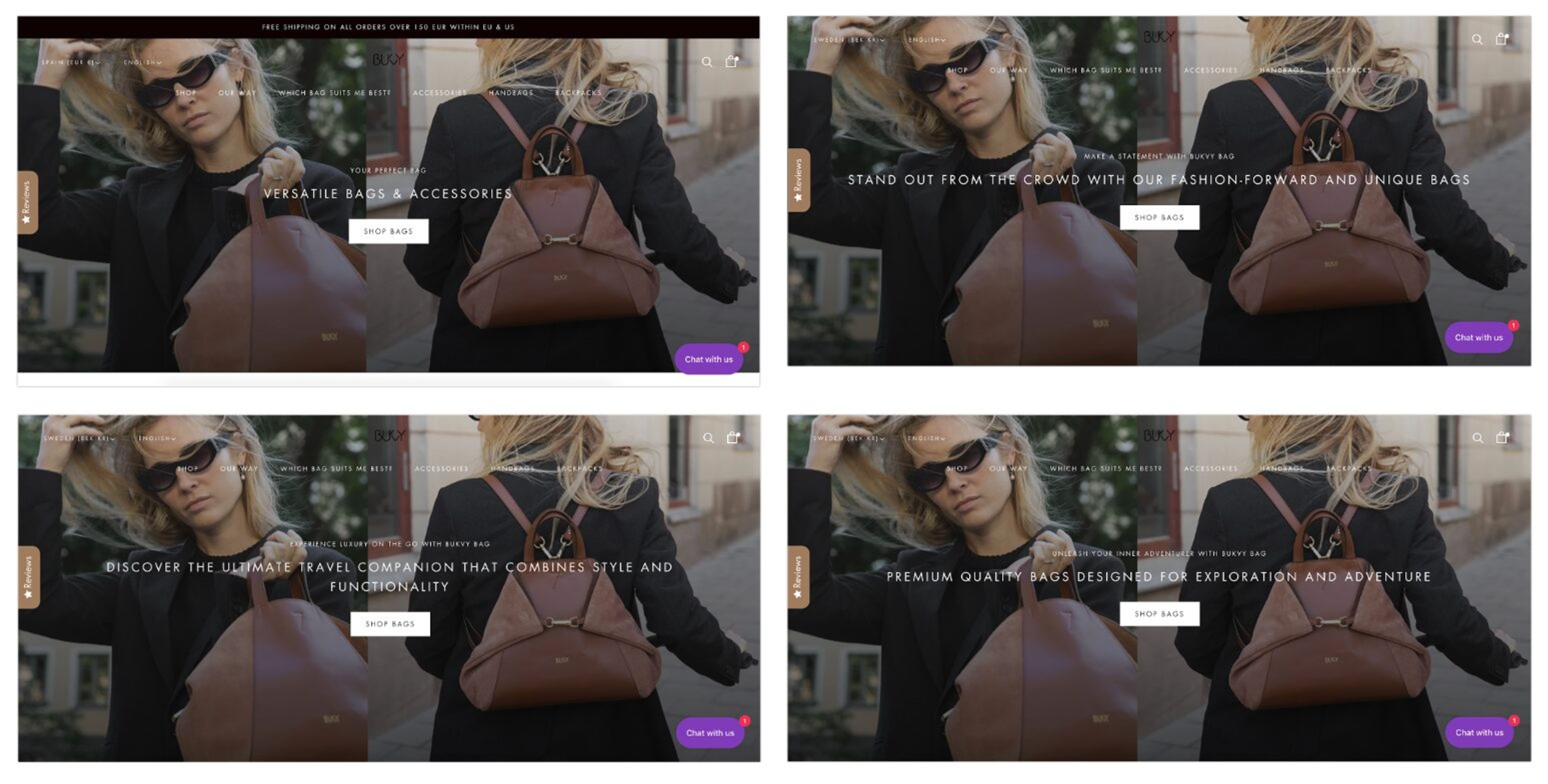
These steps resulted in a significant reduction in bounce rates and increased conversions.
Learn more about Bukvybag’s success story here.
Ready to see some key findings to further boost conversions on your own website? Let's dive into the essential takeaways from these conversion rate optimization case studies.
A/B testing is crucial for understanding what resonates best with your audience. Whether it's a headline or a call-to-action, testing different versions can increase conversions.
Conversion rate optimization tools like OptiMonk can significantly enhance user engagement by providing personalized experiences. Tailoring content to visitor behavior increases the likelihood of conversions.
Updating product pages with elements like compelling descriptions and customer testimonials can lead to substantial improvements in conversion rates. The use of AI tools can make this process efficient and effective.
Clearly communicating your unique value proposition helps differentiate your brand from competitors and persuades visitors to convert. Testing different headlines and value propositions on your landing pages can lead to better results.
Identifying and addressing bottlenecks in your sales funnel is essential. Whether it’s simplifying your checkout page or reducing form fields, small changes can lead to big conversion rate increases.
Dynamic content, such as free shipping bars or personalized product recommendations, can significantly increase conversions by providing relevant, timely information to visitors.
Conversion rate optimization (CRO) is the process of increasing the percentage of website visitors who complete a desired action, such as making a purchase or filling out a form.
Conversion rate optimization is crucial because it helps maximize the value of your existing traffic. By improving your conversion rate, you can increase revenue without needing to spend more on acquiring new visitors.
Common CRO tools include OptiMonk for personalized popups and A/B testing, and Hotjar for user behavior analytics.
Implementing a implementing a search bar with predictive suggestions, or Google Site Search can also aid visitors in navigating the site, ultimately leading to a decrease in bounce rate and an increase in conversions.
Improving conversion rates is both an art and a science. These case studies demonstrate that with the right tools and strategies, substantial improvements are possible.
Whether you’re dealing with high bounce rates or low engagement, the lessons learned from these success stories can provide valuable insights for your own conversion rate optimization efforts.
Remember, optimization is an ongoing process.
Keep testing, keep learning, and keep optimizing to turn more visitors into loyal customers.
And if you want to achieve results like what you've seen above, give OptiMonk, the agentic popup builder, a try today!

40 website welcome message examples for online stores, grouped by situation and industry, ready to copy into a welcome popup.
12 Christmas popup examples for online stores, from welcome offers and spin-to-win wheels to gift quizzes and last-chance countdowns.

In this article, we'll share the best alternatives to Sleeknote that help you to get more leads in 2026.